Upcoming Burning Man Events This Week : Decompression, Tickets, Packing, Weather and Travel Guide for September 24–28, 2026
The next wave of Burning Man-inspired gatherings begins this week, with camping Regional Burns in Iowa, New Hampshire, Australia, Oklahoma, and India, plus Toronto’s one-night Burning Man and Pyreagae Decompression.
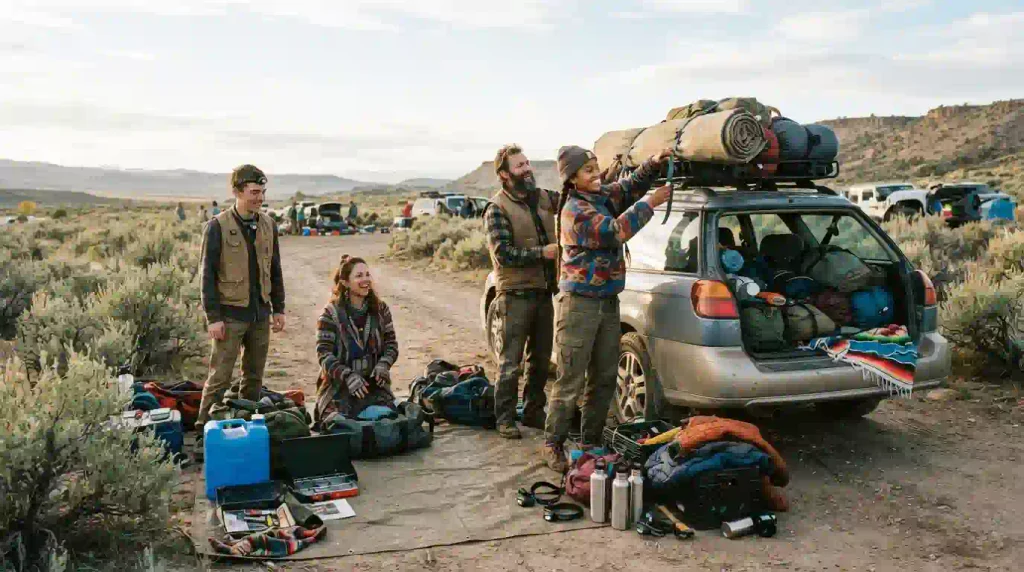
If you have a ticket—or are deciding whether to go—your biggest questions are probably practical: What will the weather be like? What should I pack? Can I still travel there? How much self-reliance do I need?
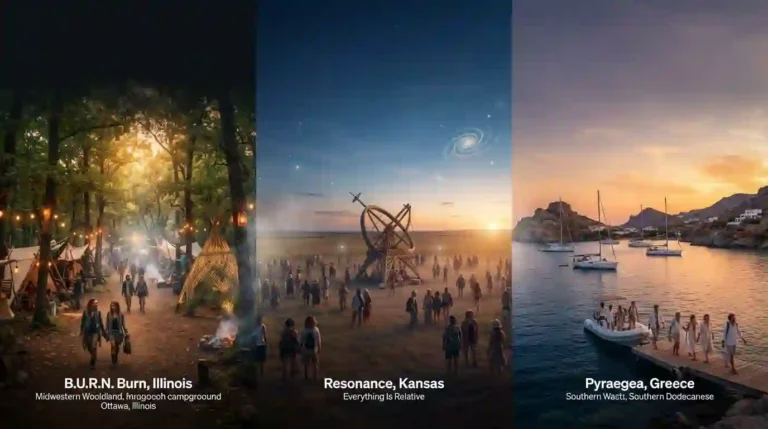
🇬🇷 Pyraegea 2026: Landburn Decompression Continues After the Sailing Week
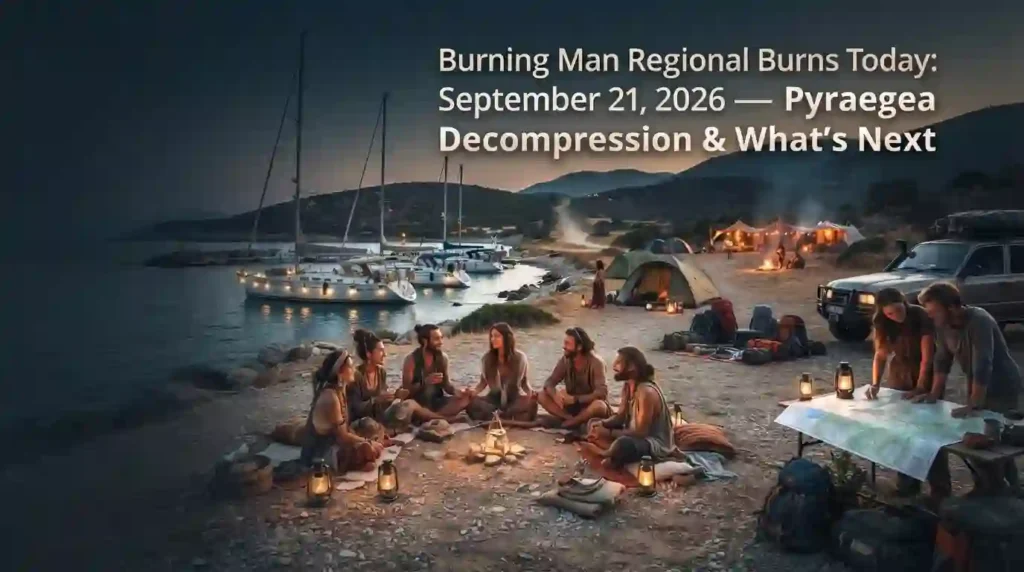
Pyraegea’s Southern Dodecanese sailing week has moved into its Landburn / Decompression phase, with the community gathering on land for several days after the sailing experience. The official Pyraegea page describes this post-sail decompression as running approximately September 19–22, 2026.
This guide is built for first-time participants, returning Burners, carpool groups, road-trippers, and urban Decompression attendees. Use it to prepare your gear, confirm travel plans, avoid last-minute ticket mistakes, and arrive ready to participate rather than scramble.
“Preparation is not separate from participation. Packing well gives you more energy to create, connect, help, and enjoy the experience.”
Pyraegea Landburn / Decompression: What Participants Need to Know
Pyraegea’s Decompression is different from a conventional festival closing day. After the sailing week, participants move into a more informal, land-based period of relaxation and community connection. The official Pyraegea guide describes it as a few days after sailing, approximately September 19–22, with the exact arrangements emerging through the community each year.
How Does Pyraegea Decompression Organise Itself?
There is no permanent Decompression coordinator. Instead, the community develops the arrangements organically. Participants research possible locations, discuss them in the Pyraegea Telegram community, informally agree on options and then book accommodation individually. When one property fills up, participants can arrange nearby alternatives such as another villa or camping.
Where Can Pyraegea Participants Stay?
The official guide lists several possibilities:
- Rooms in a villa, apartment hotel or small property
- Nearby Airbnb or villa accommodation
- Camping on a beach, in a forest or in someone’s yard
- Staying aboard a privately owned boat where appropriate
- Hosting by a local community member, including accommodation, tent space, transport help or local knowledge
Because accommodation is individually arranged, participants should not assume that there is one official Pyraegea hotel or central Decompression campsite.
Can People Join the Landburn If They Were Not on a Boat?
Yes. Pyraegea’s official Decompression page says Landburn is also open to friends and community members who were not on the boats, provided they are aligned with the 10 Principles and consent culture.
This makes the Decompression phase particularly interesting for local Burners and members of the wider community who want to connect with Pyraegea without having participated in the sailing week.
How Do Participants Get From the Marina to the Airport?
Pyraegea says departure-day ground transportation is typically self-organised through its Telegram community. Participants can watch the General Telegram topic for people arranging shared rides or post their own departure time to find others travelling toward the airport.
For today’s travel planning, participants should check the current Telegram announcements, roster and briefings before leaving rather than relying on an old transport arrangement.
What Does Decompression Mean for a Burner?
The transition from sailing to Landburn creates a slower final chapter: rest after the voyage, reconnect with the community, enjoy informal activities and gradually return to everyday life.
For international Burners especially, this period can also be important for practical travel planning. Confirm your accommodation, airport transfer, flight time, luggage and onward transportation before leaving the community.
What Burning Man events are coming up this week?
The busiest upcoming period begins on September 24, with several events starting over the following four days. The most urgent preparation is for the people travelling to multi-day outdoor gatherings such as Hearths O’Phyre, Granite Burn, Underland, Ember, and Portal Burn.
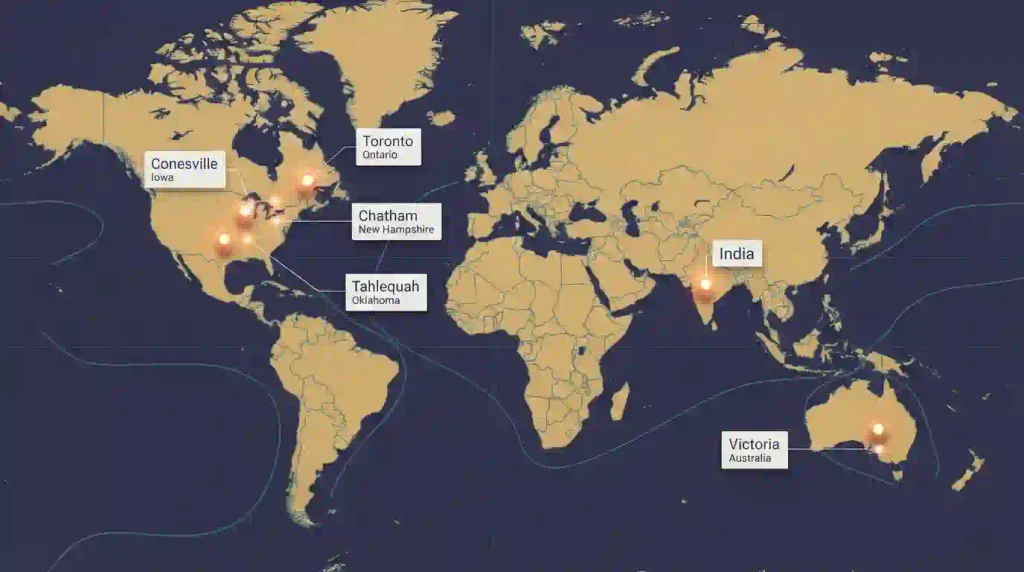
Time TO Burn in Toronto is different: it is a one-night urban Decompression, so your preparation should focus on ticket confirmation, venue details, transit, personal safety, and getting home safely.
| Event | Dates | Location | Event format | Main planning need |
|---|---|---|---|---|
| Hearths O’Phyre | September 24–27 | Conesville, Iowa, USA | Multi-day Regional Burn | Camping, driving, weather layers, food and water |
| Granite Burn – Mythbehavin | September 24–28 | Chatham, New Hampshire, USA | Multi-day Regional Burn | Gate timing, camp gear, parking, rain and cold planning |
| Underland | September 25–28 | Victoria, Australia | Multi-day Burn | Ticket confirmation, camping setup, route and weather plan |
| Ember – Jurassic Snark | September 26–29 | Tahlequah, Oklahoma, USA | Multi-day Burn | Travel, campsite preparation, sun and rain readiness |
| Time TO Burn | September 26 | Toronto, Ontario, Canada | One-night Decompression | Transit, entry details, costume, safe trip home |
| Portal Burn | September 27–October 1 | India | Multi-day Burn | Long-distance planning, self-reliance, local organizer updates |
Which event should I prepare for first?
Prepare first for the event that begins soonest and requires the most equipment.
For most readers, this order makes sense:
- Hearths O’Phyre and Granite Burn, both starting September 24.
- Underland, beginning September 25.
- Ember and Time TO Burn, both happening September 26.
- Portal Burn, beginning September 27.
A multi-day outdoor Burn requires earlier preparation than an urban one-night event because you need to organize shelter, bedding, water, food, clothing layers, transport, camp lighting, and a cleanup plan.
Can I still buy tickets for an upcoming Burn?
Possibly—but ticket availability, prices, transfer rules, and door-sale policies can change quickly. Use an event’s official website or organizer-approved ticket platform, then verify the date and status before booking transport or buying supplies.
Never assume a ticket is valid because someone posts a screenshot in a social-media group.
How much are Hearths O’Phyre tickets in 2026?
Hearths O’Phyre lists 2026 tickets at $90 USD for adults, $20 for children under 16, and free for children under two. Check the official ticket page for current availability and any registration, waiver, or guardian requirements before travelling.
Are Granite Burn tickets refundable?
No. Granite Burn states that tickets are non-refundable. If you cannot attend, the organizer suggests transferring or passing the ticket to another person, but participants should confirm the current official transfer method directly with the event before exchanging money.
How do I avoid fake Burning Man tickets on Facebook or Instagram?
Buy only from the official event site or a resale process directly approved by the organizer. Genuine-looking screenshots, friendly direct messages, and urgent “I need to sell today” posts are not proof that a ticket will scan or be accepted at the gate.
Use these ticket-safety rules:
- Start at the official event website.
- Check whether the event has an official transfer or resale method.
- Do not use a screenshot as evidence of ticket validity.
- Do not send irreversible payment to an unknown seller.
- Be cautious of accounts with new profiles, copied photos, or pressure tactics.
- Ask the organizer if you are unsure whether a ticket transfer is legitimate.
- Save all official receipts and event confirmations.
What weather should I expect at upcoming Burns?
Weather should be treated as a live planning issue, not a one-time check. Conditions can change before departure, during the drive, and after you set up camp. Check local forecasts 72 hours before leaving, again 24 hours before leaving, and once more on travel morning.
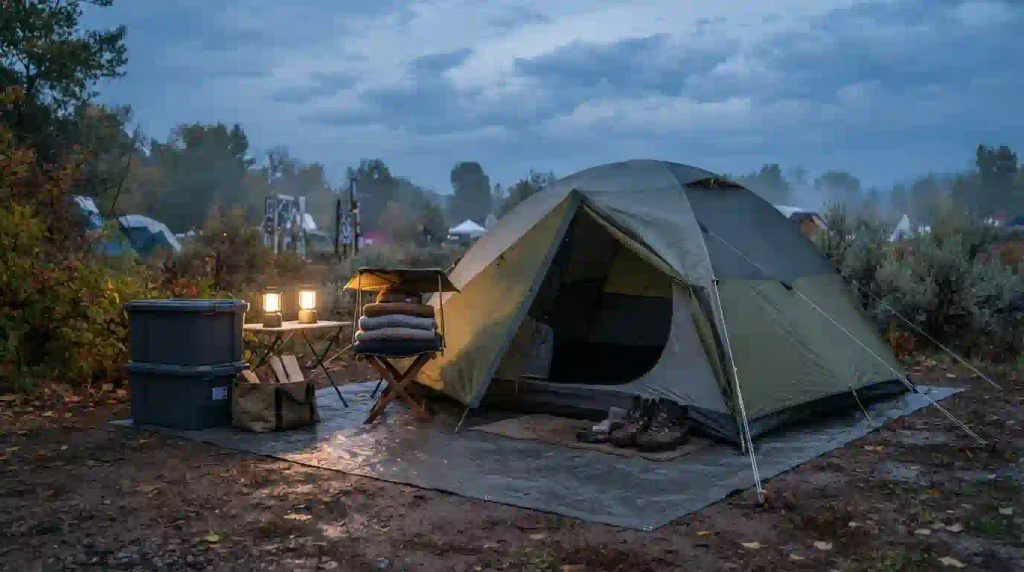
Do not rely on a weather screenshot shared in a chat group. Check a trusted local forecast and prepare for a wider range of conditions than the predicted temperature alone.
What weather should Hearths O’Phyre attendees prepare for in Iowa?
Hearths O’Phyre participants should prepare for late-September Midwest variability: warmer daytime conditions, cooler nights, wind, possible rain, damp grass, uneven ground, and muddy areas after precipitation.
Pack a waterproof outer layer, warm sleep system, dry socks, a tarp, tent stakes, and a way to keep bedding off wet ground. If rain is expected, set up camp before dark and make sure water will not flow beneath your tent.
Weather preparation checklist for Iowa
- Waterproof jacket or shell
- Warm hoodie, fleece, or insulated layer
- Closed-toe footwear with traction
- Extra socks and dry clothes
- Tent tarp or footprint
- Rain cover for gear
- Headlamp for dark setup
- Groundsheet and camp chair
- Emergency snacks and drinking water
What weather should Granite Burn attendees prepare for in New Hampshire?
Granite Burn participants should prepare for cool evenings, rain, wet ground, wind, temperature drops after sunset, and slippery conditions if the site receives rain.
The smartest strategy is layering: wear breathable clothing in the daytime, then add warmth before you become cold. A wet tent, wet shoes, or wet sleeping bag can reduce comfort quickly, so protect your sleeping area first.
Weather preparation checklist for New Hampshire
- Waterproof boots or spare dry shoes
- Insulated jacket or warm mid-layer
- Rain shell and rain pants if available
- Warm sleeping bag and insulated sleeping pad
- Waterproof bin or bags for clothing
- Extra tent stakes and repair tape
- Camp lighting with spare batteries
- Dry towel and quick-dry cloth
- Thermos or warm-drink setup
What weather should Underland attendees prepare for in Victoria, Australia?
Underland attendees should plan for changeable spring conditions. Weather can include sunshine, wind, cooler evenings, rain, and muddy ground depending on the location and recent conditions.
Bring layers rather than assuming daytime weather will continue after sunset. Keep a dry set of clothing sealed in a bag or storage bin, and build your camp with weather protection in mind.
Weather preparation checklist for Victoria
- Light sun-protection clothing
- Warm evening layer
- Waterproof jacket
- Sturdy footwear
- Hat, sunglasses, and sunscreen
- Waterproof storage for gear
- Tarp or groundsheet
- Tent repair kit
- Reusable water bottle
- Nighttime lights
What weather should Ember attendees prepare for in Oklahoma?
Ember attendees should be ready for bright daytime sun, sudden weather changes, rain, wind, and a noticeable evening temperature drop. Even if the daytime forecast looks comfortable, weather exposure becomes more difficult once you are setting up camp, cooking, walking after dark, or sleeping outdoors.
Protect yourself from both sun and rain. Bring shade where appropriate, sunscreen, a hat, drinking water, a rain jacket, and a warm night layer.
Weather preparation checklist for Oklahoma
- Hat and sunglasses
- Sunscreen and lip balm
- Refillable water containers
- Lightweight long-sleeve layer
- Rain jacket
- Warm layer for evenings
- Tent stakes and windproof setup
- Dustproof or waterproof gear storage
- Headlamp and backup batteries
What weather should Portal Burn attendees prepare for in India?
Portal Burn attendees should verify the exact event location and local forecast through official organizer updates before packing. India has highly varied conditions by region, altitude, season, and time of day, so generic assumptions are not enough.
Build a flexible kit: sun protection, rain protection, warm layers, sturdy footwear, drinking water containers, and secure storage for electronics and bedding.
Weather preparation checklist for India
- Hat, sunscreen, and sunglasses
- Waterproof outer layer
- Warm clothing layer for night
- Closed-toe footwear
- Refillable water bottles
- Waterproof bags for electronics and documents
- Tent and sleeping system suitable for local conditions
- Personal medicines and basic first aid
- Offline route and emergency contacts
What weather should Time TO Burn attendees prepare for in Toronto?
Time TO Burn attendees should prepare for evening city weather rather than camping conditions. The key issue is not surviving overnight outdoors; it is staying comfortable while travelling to the venue, waiting outside if needed, and returning home late.
Bring a practical outer layer, comfortable footwear, a charged phone, and a safe transport plan. Check the local evening forecast before leaving.
Weather preparation checklist for Toronto
- Light jacket or warm layer
- Comfortable shoes
- Compact rain layer if needed
- Charged phone and power bank
- Transit or rideshare payment method
- Safe route home
- Water bottle if permitted
- Earplugs for music areas“The forecast tells you what might happen. Your packing list decides whether it becomes a problem.”
What survival essentials should every Burner pack?
Survival essentials are the items that protect your health, comfort, mobility, and ability to remain self-reliant. They should be packed before costumes, decorations, gifts, or luxury extras.
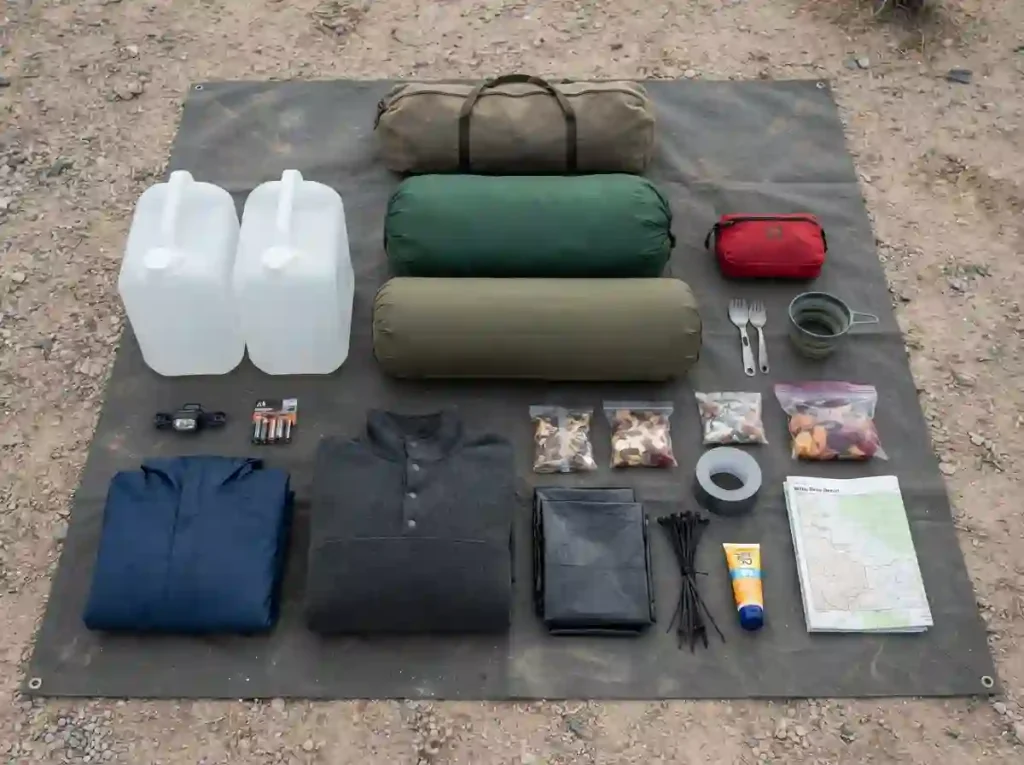
A good rule is: if the event had rain, wind, cold nights, a travel delay, low phone battery, or a minor vehicle problem, could you still manage safely?
What should I pack for a Regional Burn in late September?
Pack for self-reliance, temperature changes, outdoor living, rain, darkness, personal comfort, and leave-no-trace responsibility. A Regional Burn is typically more participatory than a normal festival: you are expected to bring what you need and leave with everything you brought.
Do not pack only costumes. Pack your practical survival basics first, then add creative clothing and gifts.
What are the non-negotiable survival essentials for camping Burns?
For Hearths O’Phyre, Granite Burn, Underland, Ember, and Portal Burn, pack these essentials:
- Ticket, ID, event confirmation, and emergency contact details
- Tent or approved shelter
- Sleeping bag, sleeping pad, pillow, and warm night layers
- Water containers and drinking water plan
- Food, snacks, reusable plate, cup, bowl, and utensils
- Waterproof jacket and warm clothing
- Strong closed-toe footwear
- Headlamp, camp lights, spare batteries, and power bank
- First-aid kit and personal medications
- Sunscreen, hat, sunglasses, and lip balm
- Hygiene supplies and menstrual products where needed
- Trash bags and containers for small litter
- Tent repair tape, zip ties, stakes, mallet, and basic tools
- Offline maps, charger, and car charger
- Reusable bags or bins for gear storage
- Emergency cash or a backup payment method
What are the essential items for a one-night Decompression?
For Time TO Burn or another urban Burner event, you do not need camping equipment. Your essentials are about entry, comfort, safety, and a responsible trip home.
Pack:
- Ticket and government-issued ID if required
- Phone and portable battery
- Payment method for transit or rideshare
- Comfortable shoes
- Outer layer for late-night weather
- Water bottle if permitted
- Earplugs if useful
- Small bag for personal items
- A safe travel-home plan
- Emergency contact information
What should I keep in my vehicle during a Burn road trip?
Keep a separate car-accessible emergency bag, not buried under your camp gear.
Include:
- Drinking water
- Non-perishable snacks
- Phone charger and power bank
- Basic first-aid kit
- Tire inflator or pressure gauge
- Spare tire and tools
- Jumper cables or battery starter if available
- Flashlight or headlamp
- Rain jacket
- Warm layer
- Paper towel or cleaning cloth
- Offline route information
- Emergency cash
- Basic tools and duct tape
What should first-time Burners know before attending?
First-time Burners should understand one important truth: a Burn is not a normal festival where every service is provided for you. It is a temporary, participatory community. Your preparation affects not only your own comfort but also the people around you.
You do not need to know everything before your first event. But you do need to arrive humble, prepared, respectful, and willing to ask before assuming.
What are the best first-time Burner tips?
Use these first-time Burner rules:
- Read the official event website before asking social media for answers.
- Pack survival basics before costumes and decorations.
- Arrive during official check-in hours.
- Bring more warm layers than you think you need.
- Label important gear and keep small items organized.
- Keep a paper copy of emergency contacts.
- Carry a headlamp, not only a phone flashlight.
- Ask before touching people, costumes, camps, art, or personal belongings.
- Respect “no,” boundaries, and quiet spaces.
- Take all your rubbish and unused supplies home.
- Volunteer for one small task if you can.
- Do not expect strangers to solve problems you could have prepared for.
What should a first-time Burner not do?
Avoid these common first-time mistakes:
- Arriving without shelter or warm bedding.
- Packing only party clothes.
- Expecting food, water, or phone charging to be available.
- Leaving tents, chairs, decorations, or trash behind.
- Bringing glitter, tiny plastic decorations, or items that easily become litter.
- Driving while tired, impaired, or stressed.
- Treating camps as public property without asking.
- Posting close-up photos of people without consent.
- Assuming that a ticket includes every supply or service.
- Ignoring gate hours, vehicle rules, or event-specific policies.
How can first-time Burners make friends respectfully?
You do not need to force social interaction. Start with small, respectful participation.
Try:
- Asking a camp if they need help with setup.
- Thanking volunteers and artists.
- Joining a workshop or community meal when invited.
- Offering ice, water, tools, or a hand with lifting equipment.
- Asking thoughtful questions rather than performing expertise.
- Respecting private camps and personal space.
- Listening when someone explains a local custom or safety expectation.
What advice and hacks help returning Burners?
Returning Burners usually know the basics. Their real advantage comes from improving systems: less wasted packing, faster camp setup, fewer lost items, better sleep, smarter food planning, cleaner departure, and more energy for participation.
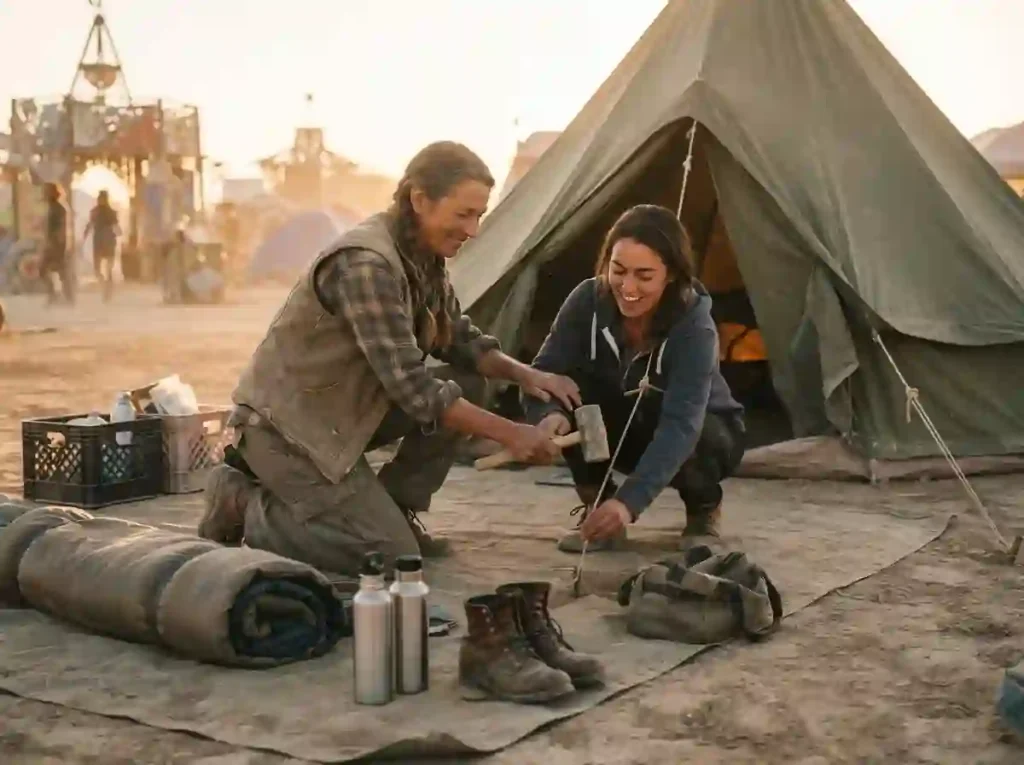
The best returning-Burner “hack” is not expensive gear. It is preparation that removes small frustrations before they happen.
How can returning Burners pack faster and smarter?
Create reusable kits rather than starting from zero every event.
Use labeled bins for:
- Sleep system
- Kitchen and food tools
- Lighting and batteries
- First aid and hygiene
- Tent repair and camp tools
- Costumes and accessories
- Leave-no-trace cleanup supplies
- Vehicle emergency items
After each event, restock what you used. This reduces stress and prevents the classic last-minute question: “Where did I put the tent stakes?”
What are the best returning Burner camp setup hacks?
Experienced participants can make camp setup easier with a simple order:
- Park safely and confirm camp boundaries.
- Set up shelter before dark or rain.
- Secure tent and shade structure.
- Create sleeping space.
- Establish water, food, and lighting zones.
- Place tools and repair supplies in one known location.
- Create a small trash and recycling station.
- Walk around the camp edge after dark to check visibility.
- Store valuables and documents safely.
- Introduce yourself to neighbors respectfully.
How can returning Burners improve their Leave No Trace plan?
Use a dedicated cleanup kit from the beginning, not only at departure.
Keep:
- Trash bags
- Recycling bags
- Small container for micro-trash
- Work gloves
- Broom or small brush
- Rake or ground-scan tool where appropriate
- Headlamp for nighttime cleanup
- Zip ties and repair tape for securing loose items
- Reusable food containers to reduce rubbish
Do a quick daily sweep, then a detailed final MOOP sweep before leaving. Daily cleanup is easier than discovering a week of small litter at pack-down.
What is the best way to avoid post-Burn exhaustion?
Plan for recovery before the event begins.
Returning Burners often forget that the hardest parts can be:
- Driving home after physical exertion
- Breaking down camp in rain or heat
- Returning to work too quickly
- Sorting wet gear
- Replacing food and sleep after a long weekend
Build a recovery day into your schedule if possible. Bring simple food for the ride home, do not drive when overly tired, air out damp gear as soon as possible, and give yourself time to reset.
Explore Returning Burner Tips and Camp Hacks
What real-world planning lessons can Burners learn from?
The most useful event lessons are often ordinary ones: a wet tent, a delayed carpool, a forgotten headlamp, an overpacked vehicle, a late gate arrival, or an exhausted driver. These situations are not dramatic, but they shape whether a participant feels confident or overwhelmed.
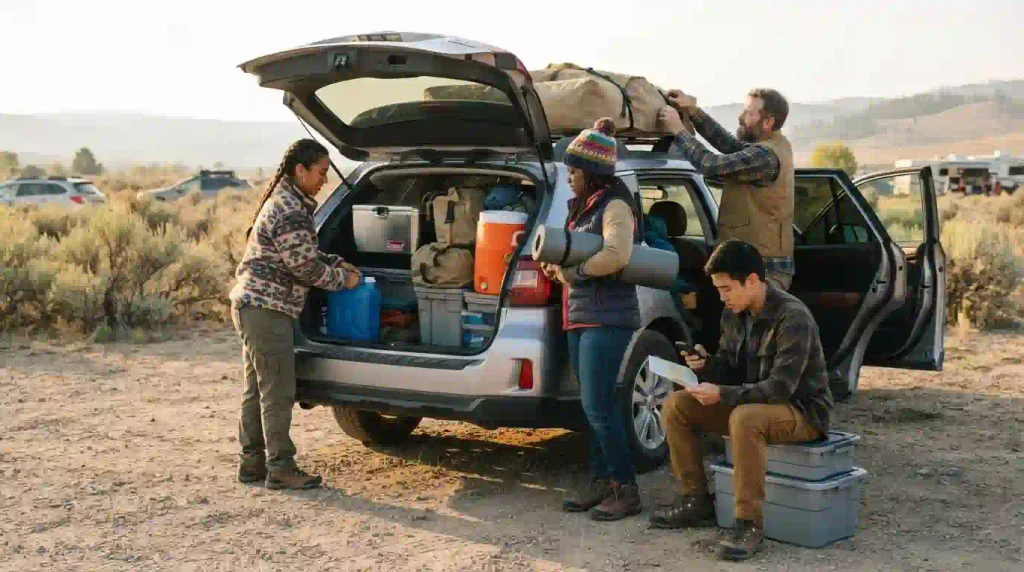
Case study: How a first-time carpool avoided a difficult arrival
A first-time attendee joined a small carpool for a multi-day regional camping event. The group had tickets, tents, costumes, and excitement—but no written packing plan. The day before departure, they realized they had not agreed on who would bring water, camp lighting, food storage, tools, or a tarp.
They solved the problem by creating a shared checklist and assigning one person to each category:
- One person handled route, vehicle safety, and fuel.
- One person brought water containers, snacks, and cooler supplies.
- One person brought a tent, tarp, stakes, and mallet.
- One person handled lighting, batteries, and chargers.
- Everyone packed personal bedding, clothes, ID, ticket, medication, and reusable dishes.
The group also decided to leave early enough to arrive during gate hours instead of trying to make it after dark.
What changed?
They arrived with a dry camp setup, enough light to organize gear, clear responsibilities, and less stress. Their biggest lesson was simple:
“The carpool became easier when we stopped assuming someone else had packed the essentials.”
What can first-timers learn from this case study?
The lesson is not that every group needs a complicated spreadsheet. The lesson is that shared travel requires shared clarity.
Before leaving, ask:
- Who brings shelter?
- Who brings water?
- Who brings the cooler or food?
- Who has tools and tent stakes?
- Who checks tickets and ID?
- Who knows the gate hours?
- Who is responsible for driving safely?
- What is the plan if weather changes?
What can returning Burners learn from this case study?
Returning participants can reduce stress by becoming the person who brings structure without becoming controlling. Share a checklist, ask what is missing, and help first-timers build confidence.
Good Burner leadership looks like preparation, calm communication, consent, and willingness to help—not showing off experience.
How do I practice Leave No Trace and MOOP prevention?
Leave No Trace begins when you pack, not when you leave. Choose durable supplies, reduce single-use packaging, avoid items that shed fragments, and create a plan for every item you bring.
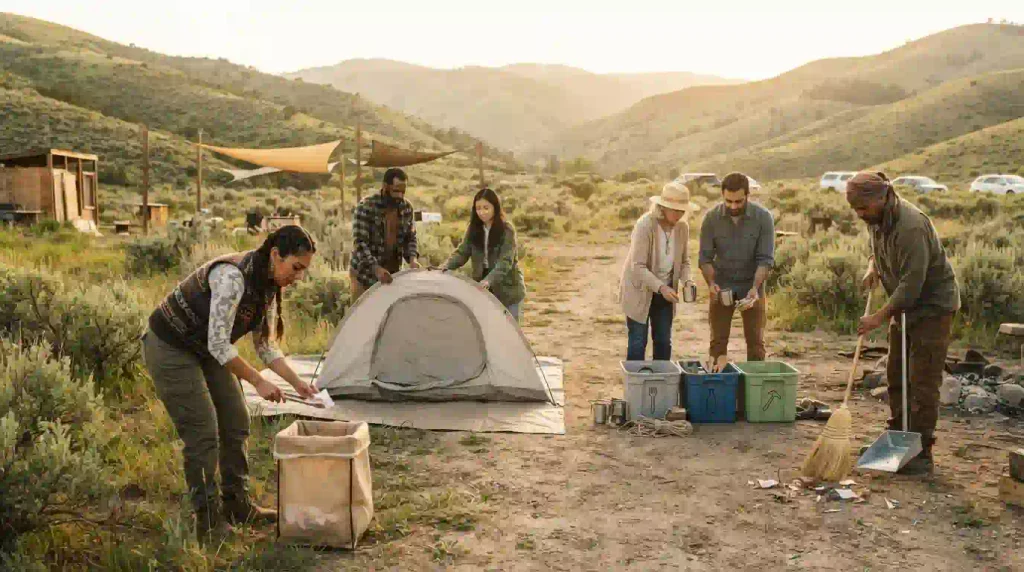
MOOP means Matter Out Of Place. It can be obvious rubbish, but it can also be tiny things: glitter, sequins, feathers, zip-tie ends, cigarette butts, broken plastic, food scraps, tape fragments, or decoration pieces.
What should I avoid bringing to prevent MOOP?
Avoid or carefully control:
- Glitter
- Confetti
- Loose feathers
- Tiny plastic decorations
- Cheap items that break easily
- Packaging that tears into fragments
- Loose zip-tie ends
- Glass that can shatter
- Single-use objects with no take-home plan
- Decorations that shed fabric, plastic, paint, or small parts
How do I do a proper MOOP sweep?
Use this final cleanup method:
- Pack large gear first.
- Remove all tents, tarps, chairs, and camp structures.
- Walk slowly in lines across your camp area.
- Scan the ground from different angles.
- Pick up every visible object, even tiny fragments.
- Check beneath vehicles, coolers, tents, and furniture.
- Inspect the road-side area near your vehicle.
- Ask another person to inspect after you finish.
- Take all rubbish and leftovers home.
- Leave the space cleaner than you found it.
What should I know about Burners Without Borders?
Burners Without Borders represents the civic and community-service side of Burner culture. It encourages people to apply practical skills, creativity, resilience, and mutual aid beyond an event site.
It is relevant for readers who want to volunteer, support local projects, participate in cleanup work, develop community skills, or find meaningful ways to contribute even when they cannot attend a Burn.
What is Burners Without Borders?
Burners Without Borders is a Burner-inspired civic engagement and community resilience network. Its work can include volunteer projects, mutual aid, local response efforts, skill-sharing, and community-building initiatives.
The responsible way to engage is through official channels and organized local projects. Do not travel independently to a disaster zone or assume help is needed without verified coordination.
How can I volunteer in a Burner community?
You can contribute before, during, or after an event.
Possible ways to help include:
- Gate and greeter shifts
- Build and strike crews
- Cleanup teams
- Kitchen, ice, water, or supply support
- Art installation support
- Workshop hosting
- Camp organization
- Consent and accessibility work
- Local mutual-aid projects
- Community resilience and skill-sharing events
Ask organizers what they actually need. A reliable two-hour volunteer shift can be more valuable than a vague offer to “help whenever.”
Explore Burners Without Borders and Volunteer Guides
Frequently asked questions about upcoming Burning Man events
Do I need to bring my own water to a Regional Burn?
Yes. Plan to bring enough drinking water and personal supplies to be self-reliant for the duration of the event, plus extra for delays or changing conditions. Check organizer guidance for any event-specific water information.
Can I arrive at a Burn after dark?
Do not assume you can. Many events have limited gate or check-in hours. Confirm the official arrival window before departure and contact organizers if you expect to arrive late.
What is the most important item first-time Burners forget?
A reliable lighting system is commonly forgotten. Bring a headlamp, spare batteries, camp lights, and a way to keep yourself visible after dark.
Should I bring a costume to a Regional Burn?
Yes, if you want to—but pack shelter, warmth, food, water, lighting, weather protection, and hygiene supplies first. Creativity is more enjoyable when your basics are covered.
Can I bring my pet to a Regional Burn?
Rules vary by event. Granite Burn does not allow pets. Always check the official event policy rather than assuming pets are welcome.
Are Regional Burns the same as Burning Man in Black Rock City?
No. Regional Burns are independent, locally organized gatherings inspired by Burning Man culture and principles. Their scale, venue, tickets, weather, rules, transport, facilities, and programming can be very different.
Is Time TO Burn in Toronto a camping event?
No. It is a one-night Toronto Decompression, so focus on ticket confirmation, urban travel, practical clothing, consent, and a safe route home.
How do I avoid ticket scams?
Use official ticket links or organizer-approved transfer systems only. Do not trust ticket screenshots, high-pressure messages, or unknown sellers who request irreversible payment.
What should I do if it rains during the event?
Protect your tent and bedding, keep electronics and clothing dry, wear waterproof layers, avoid driving unnecessarily on muddy ground, and follow organizer instructions.
What should I do if I feel unprepared?
Do not ignore the feeling. Make a list, ask your carpool or camp what is missing, read official event guidance, and simplify your plan. It is better to bring fewer creative extras than to arrive without the basics.
What should I check before leaving for the event?
Your final pre-departure check should take only a few minutes, but it can prevent the most common travel problems.
Final checklist for camping Regional Burns
- Ticket and photo ID
- Official gate hours and venue address
- Weather check for event site and travel route
- Tent, tarp, stakes, mallet, repair tape, and tools
- Sleeping bag, sleeping pad, pillow, and warm layers
- Water, food, utensils, cooler plan, and reusable containers
- Rain gear, sturdy footwear, dry socks, and sunscreen
- Headlamp, camp lights, batteries, chargers, and power bank
- First-aid kit and personal medications
- Vehicle safety check, fuel, tires, spare tire, and offline maps
- Trash bags, recycling plan, and MOOP cleanup kit
- Emergency contact and carpool travel plan
- Safe return and recovery plan
Final checklist for Time TO Burn in Toronto
- Official ticket and ID if required
- Confirmed venue, entry time, and bag rules
- Transit, taxi, rideshare, or sober-driver plan
- Charged phone and power bank
- Payment method for travel home
- Comfortable footwear and weather-appropriate layer
- Earplugs if useful
- Water bottle if allowed
- Emergency contact and check-in plan
- Respectful participation and consent mindset
Final words: Prepare early, travel kindly and participate fully
The best event experience does not come from perfect costumes, expensive gear, or a packed itinerary. It comes from arriving prepared, caring for yourself and your travel group, respecting the venue, joining the community with an open mind, and leaving no trace behind.
Pack your essentials first. Check official event updates before departure. Build extra time into your route. Help where you can. Respect consent. Take every item home.
“Bring your curiosity, bring your responsibility, and bring enough preparation that you can freely give your best energy to the community.”
Choose your event, confirm your ticket, prepare your kit, plan your route, and make your next Burn safer, easier, and more meaningful.


One Comment