
Burning Man First-Time Travel & Arrival Guide 2026: What to Expect From Departure to Your First Day
Your first arrival at Burning Man can feel exciting and overwhelming at the same time. This guide helps beginners prepare for travel, understand the arrival process, settle into camp, and confidently navigate their first 24 hours in Black Rock City.
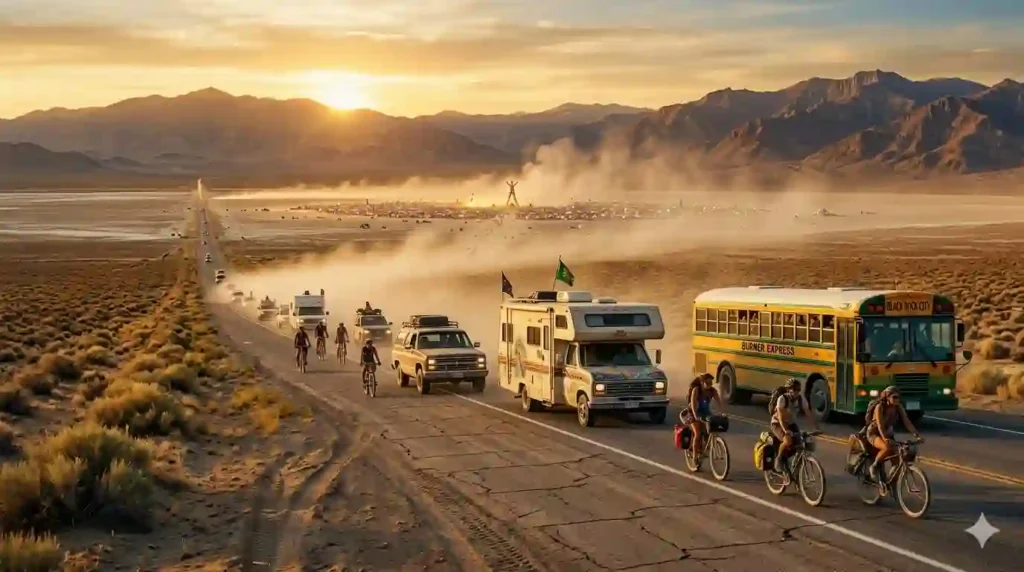
For many first-time Burners, the journey to Black Rock City is unlike any other travel experience. Remote desert roads, long arrival lines, Gate procedures, and your first view of the playa create an unforgettable introduction to Burning Man. Arriving prepared helps reduce stress and allows you to enjoy the experience from the very beginning.
This complete First-Time Travel & Arrival Guide explains what happens before you leave home, what to expect while traveling, how the arrival process works, and what priorities to focus on during your first day. Rather than covering every transportation option in detail, this guide helps beginners understand the overall arrival experience and settle into Burning Man successfully.
In This Guide You’ll Learn
- 🚗 Preparing before departure
- 🧳 Travel-day essentials
- 🚪 What happens at Gate
- 🏕️ Setting up camp after arrival
- 🗺️ Getting oriented in Black Rock City
- 🚲 Preparing your bike and camp
- 🌅 Your first evening on the playa
- ❤️ Adjusting to the Burning Man environment
- 📋 First 24-hour priorities
- 🔗 Related beginner guides
Why Transportation Planning Matters for First-Time Burners
Getting transportation right does more than get you to the playa: it defines what you can bring, how independent you’ll be, the stress on arrival, and how much you can participate. Planning early prevents costly mistakes and helps you pick gear, budget, and companions that match your chosen mode of travel.
How transportation affects your entire Burning Man experience
Your transport choice shapes almost everything that follows. Driving or bringing an RV expands what you can pack — bigger shelters, food stockpiles, and comfort items — while flying forces compact, multi-use choices and reliance on shared camp resources.
Bus or shuttle travel reduces the burden of driving and parking but ties you to schedules and limits last-minute flexibility. The combination of travel type and timing affects when you arrive, how tired you are, and how quickly you can settle in and start participating. Treat transport as foundational: once it’s decided, many other choices fall into place more easily.
- Transportation determines packing limits and comfort.
- Arrival timing influences participation and energy.
- Choose transport early to align gear and camp plans.
Choosing transportation before buying gear
Decide your transport before you purchase big-ticket camping gear. If you plan to fly or take a bus, prioritize ultralight, compact, and multifunctional items. If you’ll drive or RV, you can afford bulkier tents, coolers, and spare parts. Buying first and deciding transport later often wastes money on items that are hard to carry or store for your travel mode. Coordinate with campmates: some groups bring shared infrastructure so individual packing can be minimized. Creating a packing plan keyed to your travel mode saves weight, cost, and stress.
- Pick transport first, then gear purchases.
- Flying/bus travel requires compact gear choices.
- Coordinate with camp to avoid duplicate items.
Transportation mistakes that cost beginners time and money
Common beginner errors include waiting too long for vehicle passes or shuttle bookings, booking inflexible flights close to the event, underestimating packing volume, and miscalculating fuel or rental costs. Others: assuming you can buy large items nearby, failing to plan for arrival delays, and not checking vehicle restrictions (height, weight, or placard requirements). These missteps create extra fees, last-minute shipping, lost days, or safety issues. A little advance planning prevents most of these costly surprises.
- Secure passes, seats, and rentals early.
- Estimate packing and fuel costs accurately.
- Check vehicle rules and plan for delays.
Understand Your Transportation Options
This section gives a concise overview of transport choices so you can compare freedom, cost, and complexity. Use these summaries to decide which detailed guide to read next based on your priorities: budget, comfort, group size, and how much gear you need.
Driving Yourself
Driving gives the most flexibility and cargo capacity. You control departure time, can transport heavy or awkward items, and often save money per person with a group. Downsides: long drives, fuel and maintenance costs, and the need to buy a vehicle pass. Prepare for playa conditions—dust, long lines, and vehicle inspections—and be realistic about fatigue and overnight driving. If driving solo, plan rest stops and consider camping in Reno before heading to the playa.
- Best for heavy gear and flexible schedules.
- Expect long drives, fuel, and vehicle pass needs.
- Prepare for dust, inspections, and driver fatigue.
Burner Express Bus
The Burner Express shuttle removes driving stress and parking hassles. It’s cost-effective for solo travelers, reduces environmental impact, and drops you near or at staffed arrival zones. Limitations include fixed schedules, luggage restrictions, and less personal storage. Plan compact packing and coordinate with your camp for any bulky items. Arrive on time for pickup and expect to share space with many fellow Burners.
- Good for solo or light-pack travelers.
- Fixed schedules and luggage limits apply.
- Coordinate with camp for bulk gear.
Burner Express Air
Burner Express Air lets you fly closer to the event footprint with organized transport from regional airports. It’s fast and reduces long driving hours, but it comes with strict baggage rules and higher cost. You’ll need to pack efficiently and often arrange local ground transport for heavy or shared camp infrastructure. Great for distant travelers who want minimal road time and predictable arrival.
- Fastest option for long-distance travelers.
- High cost and strict baggage limits.
- Best combined with camp coordination for bulky gear.
Rental Car or Van
Rentals provide driving comfort without putting miles on your own vehicle. They’re useful for short-distance travelers or groups that don’t want wear-and-tear on personal cars. Check rental company rules: some forbid off-pavement use or have mileage restrictions that affect playa travel. Insurance, potential damage liability, and the vehicle pass requirement are key considerations. Choose a vehicle size that balances fuel efficiency and cargo capacity.
- Avoids personal vehicle wear.
- Check rental restrictions and insurance.
- Balance fuel economy with cargo needs.
RV or Camper
RVs and campers maximize on-site comfort and storage but add complexity: higher fuel use, special vehicle passes, and sometimes difficulty navigating playa gates or camps. They reduce tenting work and extend creature comforts, making long stays easier for people with accessibility needs or families. Plan hookups carefully—most of Black Rock City is dry camping—maintain waste tanks properly, and verify length/height restrictions during registration.
- High comfort and storage capacity.
- Extra costs, fuel use, and vehicle pass rules.
- Plan waste management and clearance carefully.
Carpool & Rideshare
Carpooling reduces costs and environmental impact and can simplify vehicle pass purchases if organized properly. It requires trust and good coordination about meeting points, packing, and driving shifts. Rideshare from nearby cities can be an option for short legs but usually isn’t practical for carrying heavy gear. Agree on cost splits, contingency plans, and arrival timing before the trip.
- Cost-effective and eco-friendly.
- Requires coordination and trust.
- Not ideal for heavy gear without extra vehicles.
International Travel
International travelers face extra layers: flights, customs, visa planning, and often added baggage restrictions. Consider flying into a major U.S. hub, then connecting to Burner Express Air or a rental for the last leg. Factor in time zone recovery, transit time to Reno or regional airports, and extra paperwork for vehicle rentals. Coordinate with camps for gear or post a shipping plan if you need large items on-site.
- Add flights, customs, and visa planning.
- Combine with regional transport for last leg.
- Coordinate gear shipping or camp support.
How to Choose the Best Transportation for Your Situation
Choosing depends on budget, travel distance, camping style, group size, and experience. This section helps you match priorities to the transport that delivers the best balance of cost, convenience, and participation.
Based on your budget
Budget dictates trade-offs: carpooling and bus options are cheapest per person, driving is mid-range (with fuel and pass costs), and flying or RVs are the most expensive. Factor in hidden costs: vehicle passes, fuel, parking fees, baggage fees, and potential camp storage or rental costs. Create a total trip transport budget rather than comparing only ticket or rental prices.
- Buses and carpools are budget-friendly.
- Flying and RVs cost more overall.
- Include hidden fees in your transport budget.
Based on your travel distance
Travel distance changes the calculus: long-distance travelers may prefer flying combined with local transport, while regional visitors often drive or bus. Consider travel time vs cost and include recovery time. If the drive is longer than you’re comfortable doing in one stretch, a flight plus local rental may deliver more usable time at the event.
- Long distances favor flights plus local transport.
- Short-to-mid distances work well for driving or buses.
- Include recovery/rest time in decisions.
Based on camping style
Camping style (radical self-reliance vs. theme camp vs. comfort-oriented) dictates how much gear you need and therefore which transport fits. Comfort camps and RV setups need more space and usually must drive. Theme camps often share infrastructure, allowing members to fly and bring minimal personal gear. Be honest about how comfortable you are without luxuries when choosing transport.
- Comfort camps and RVs need vehicle transport.
- Theme camps can reduce individual packing needs.
- Match transport to your intended camping style.
Based on group size
Larger groups can split costs and consolidate gear in one vehicle, making driving or a rented van efficient. Small groups or solo travelers may find buses or flights simpler. Group size affects vehicle pass logistics and parking. Plan group roles: drivers, packers, and contingency contacts to avoid confusion on arrival day.
- Groups benefit from consolidated vehicle transport.
- Solo travelers often use buses or flights.
- Assign clear roles within your group.
Based on experience level
First-time Burners often prefer lower-complexity options like the Burner Express or flying then renting locally. Experienced campers may choose longer drives or RVs because they’ve handled playa conditions before. If you’re new to long drives, vehicle prep, or desert driving, choose simpler, lower-risk transport and consider traveling with experienced Burners.
- Novices often favor shuttles or flights.
- Veterans can handle driving or RV logistics.
- Travel with experienced people if you’re new to desert conditions.
Transportation Timeline for First-Time Burners
A clear timeline prevents last-minute chaos. This timeline lists practical milestones so you know when to book, buy, and prepare for transport-related tasks.
6 Months Before
Start by choosing transport and booking or reserving major items: flight tickets, vehicle passes, RV or rental reservations, and shuttle or bus seats if available. Join camp communications and discuss shared gear needs. Begin mapping your route and budget for fuel, tolls, and contingency funds. Early planning secures better rates and reduces stress.
- Decide transport and book flights, passes, and seats.
- Coordinate with campmates on shared gear.
- Budget for fuel and contingencies.
3 Months Before
Finalize rental vehicles or RV details, confirm camp arrival plans, and create a preliminary packing list tailored to your transport. Schedule vehicle maintenance if driving and check rental company policies. If flying, confirm baggage allowances and consider what can be shipped or borrowed on-site. Start practicing packing for efficient use of space.
- Confirm rentals, maintenance, and packing needs.
- Check airline baggage rules and rental policies.
- Practice compact packing.
1 Month Before
Purchase supplies that must travel with you and finalize logistics for heavy or shared gear. Reconfirm pickup times for buses or shuttles, and print or save essential documents. Prepare vehicle emergency kits and basic tools. If traveling internationally, verify travel documents and any last-minute requirements.
- Buy travel-essential items and confirm logistics.
- Prepare vehicle emergency kits.
- Recheck travel documents and schedules.
1 Week Before
Pack according to your transport plan, label gear, and distribute items among group vehicles if carpooling. Charge batteries and prepare small carry-on bags with essentials. Refill prescriptions and prepare cash for playa expenses. Make a final route check and notify your emergency contact of travel plans.
- Final packing and labeling.
- Charge devices and refill meds.
- Share trip plan with emergency contact.
Travel Day
Allow extra time for delays and inspections. Arrive at pickup points or departure locations early. If driving, keep hydration, snacks, and rest breaks planned. Follow instructions from event staff and be prepared for vehicle inspections at the gate. Stay patient; the arrival process is thorough but designed to keep everyone safe.
- Expect delays; arrive early.
- Stay hydrated and take rest breaks.
- Be ready for gate inspections and instructions.
Transportation Checklist for Beginners
This checklist focuses on essentials tied specifically to transportation: tickets, passes, packing, vehicle prep, and checkpoints to verify before you leave.
Before departure, make sure you have all travel confirmations, vehicle passes, and a transport-specific packing list. Confirm your fuel plan and campsite arrival window, check vehicle health, and prepare a small daypack with identification, tickets, snacks, water, and a basic first-aid kit. This checklist complements your broader packing and camp readiness lists.
- Gather confirmations and passes.
- Prepare a daypack with essentials.
- Check vehicle health and fuel plan.
Essential Documents You’ll Need
Documents are simple to overlook but critical. This section lists what to bring, how to store copies, and why each item matters during travel and at the gate.
Burning Man Ticket
Your ticket is your entry; without it you won’t be admitted. Keep both digital and printed copies in an accessible but secure location. If traveling with a group, ensure tickets are assigned correctly and that the ticket holder’s name matches ID when required. Treat it as top priority for arrival.
- Keep ticket copies both digital and printed.
- Ensure names match IDs when required.
- Store tickets securely and accessibly.
Vehicle Pass
Vehicle passes are mandatory for vehicles entering Black Rock City. Purchase and display them according to instructions, and have a digital copy ready. Vehicle pass rules vary by vehicle type (car, RV, trailer) so confirm specifics early. Not having the correct pass delays entry and may void your vehicle insurance.
- Buy and correctly display vehicle passes.
- Confirm rules for your vehicle type.
- Keep digital and printed copies.
Government ID
A government-issued ID is required for entry and for many post-event logistics. Carry valid identification and ensure it won’t expire during travel. Make photocopies and store a digital scan in a secure cloud or encrypted note. Keep IDs in your daypack, not buried in cargo.
- Bring valid government ID and backups.
- Keep copies stored securely.
- Carry ID in easy-to-reach pack.
Driving License
A current driving license is essential for drivers and rental agreements. If lending driving duties, ensure all drivers have licenses and understand rental or insurance constraints. International licenses or IDP may be necessary for some visitors; verify requirements before departure.
- Ensure drivers carry valid licenses.
- Verify international license needs.
- Match drivers to rental and insurance rules.
Rental Documents
If renting a vehicle or RV, bring reservation confirmations, insurance papers, and roadside assistance contacts. Inspect rental documents carefully for off-road restrictions, mileage limits, and damage policies. Keep a copy of the rental agreement accessible during the trip and photograph the vehicle at pickup to document pre-existing damage.
- Carry rental confirmations and insurance info.
- Check off-road and mileage restrictions.
- Photograph vehicle condition at pickup.
Travel Insurance (optional)
Travel insurance can cover flights, cancellations, or medical evacuations. For those traveling from far away or with high nonrefundable costs, insurance may be worthwhile. Review policy details for adventure-event exclusions and coverage limits. Keep emergency contacts and policy numbers handy.
- Consider insurance for long-distance or high-cost travel.
- Verify coverage for event-specific risks.
- Store policy numbers and emergency contacts.
What to Pack for the Journey
Packing for travel to Burning Man differs by transport mode. This section lists categories and specific items to prioritize for the journey itself rather than on-playa living.
Documents
Pack all travel documents — tickets, passes, IDs, rental papers, and emergency contacts — in a dedicated folder or pouch. Keep a digital backup and share a copy with a trusted contact. Having documents organized prevents gate delays and simplifies checks during travel.
- Organize documents in a dedicated pouch.
- Keep digital backups and share with a contact.
- Access documents easily on arrival.
Emergency Supplies
Carry a basic emergency kit: first aid, flashlight, multipurpose tool, duct tape, and spare batteries. If driving, include jumper cables, a spare tire and jack, motor oil, and extra coolant. For long trips, add a basic roadside toolkit and a bright emergency triangle or flares. Prep now so small breakdowns don’t ruin your arrival.
- Bring first-aid and basic repair tools.
- Drivers should include spare tire and fluids.
- Emergency gear prevents small problems from escalating.
Food & Water
During travel, pack easy-to-eat, high-energy snacks and a refillable water bottle for each traveler. For long drives, bring a cooler and plan stops. Keep extra water for unexpected delays; dehydration is common in hot conditions and during long drives. Label food for accessibility during the hectic arrival period.
- Pack snacks and refillable water bottles.
- Use a cooler for long drives and plan stops.
- Carry extra water for delays.
Vehicle Essentials
Include spare keys, basic tools, vehicle registration, and a fully charged battery pack. Secure tarp or ratchet straps for loose gear and dust covers for electronics. If towing, verify hitch ratings and connectors. Ensure your vehicle’s air filter and wipers are in good condition to handle playa dust.
- Bring spare keys, tools, and registration.
- Protect gear from dust and secure loads.
- Maintain vehicle filters and wipers.
Navigation
Bring printed driving directions and offline maps; cell service may be limited. Use GPS for general routing but have a backup printed map or route notes. For group travel, agree on meeting points and share live location only if all parties consent. A physical compass or clear route notes help if electronic devices fail.
- Carry printed directions and offline maps.
- Share meeting points with your group.
- Have a non-electronic navigation backup.
Phone Charging
Pack portable chargers, solar chargers if desired, and car adapters for charging on long drives. Keep charging cables in labeled pouches for quick access. Bring a small power bank for gate wait times so you can access tickets and messages. Conserving battery life with airplane mode and power-saving settings is useful during long waits.
- Bring power banks and car chargers.
- Label cables and use power-saving modes.
- Keep a charged device for ticket access.
Arriving at Black Rock City
Arrival combines practical checks and an emotional shift into the playa community. This section explains gate procedures, inspections, and best practices to move from road into city with minimal friction.
What happens at Gate
Gates manage entry flow, check tickets, and direct vehicles to inspection lanes. Expect to show IDs and tickets, follow staff instructions, and wait in lines during busy periods. Be patient and polite: staff and volunteers handle large numbers of arrivals under challenging conditions. Arrive prepared with documents and a plan for initial unloading or temporary parking if needed.
- Expect ID checks and ticket verification.
- Follow staff instructions and be patient.
- Have documents and unloading plan ready.
Vehicle inspection
Vehicle inspections are thorough and focus on prohibited items and safety. Inspectors may ask to open storage and check sealed containers. Have your vehicle organized so inspectors can quickly verify contents—tighten straps, label boxes, and keep hazardous items properly stored. Cooperation speeds the process and reduces rechecks.
- Inspections check for prohibited items and safety.
- Keep vehicle organized for quick checks.
- Cooperation speeds entry.
Ticket scanning
Tickets are scanned at entry; keep tickets accessible in both digital and printed forms. If ticket information is missing or names don’t match, staff will guide you through next steps, which can take extra time. Have a backup email or confirmation number and ensure the ticket holder is present when possible.
- Keep tickets handy in paper and digital form.
- Expect name verification and potential delays.
- Store confirmation numbers for backups.
Finding your camp
Once inside, signs, maps, and volunteers help direct you, but camps can still be tricky to locate. Pre-coordinate with campmates on land markers, GPS coordinates, and a check-in window. Have a meeting plan if vehicles arrive separately and consider temporary parking while you scout. Patience and clear communication make finding your camp smooth.
- Use pre-shared coordinates and landmarks.
- Plan staggered arrival and temporary parking.
- Communicate clearly with campmates.
Transportation Inside Black Rock City
Getting around inside Black Rock City is a different skill set: short-distance mobility, safety in dust, and respecting community norms. This overview highlights main options and considerations.
Bicycle
Bikes are the most practical and common transport on-playa. They’re fast, flexible, and allow you to carry small items. Use wide tires for stability, cover lights for dust protection, and decorate for visibility. Always secure bikes when not in use and learn basic on-playa riding etiquette to avoid collisions in low-visibility conditions.
- Bikes are primary on-playa transport.
- Prepare bikes for dust and visibility.
- Lock and secure when unattended.
Walking
Walking is essential and often the best way to explore nearby installations and meet neighbors. Wear closed shoes, stay hydrated, and use sun protection. Plan routes during cooler hours and carry small water and communication devices. Walking fosters accidental discoveries and deeper engagement with community.
- Walking is central to exploration and connection.
- Use sun protection and carry water.
- Plan for cooler times and short distances.
Art Cars
Art cars are mobile artworks and offer communal rides when available. They operate under regulations and often have weight or seating limits. Respect operators’ rules, watch boarding procedures, and avoid relying on them as your primary transport because availability is irregular and rides can be short or unpredictable.
- Art cars offer occasional communal rides.
- Follow operator rules and safety limits.
- Don’t depend on them for regular transit.
Accessibility Transportation
Accessible transport options exist for participants with mobility needs. These services often require advance planning and coordination with event accessibility teams and camps. If you need assistance, request it early, and ensure your camp can support any daily mobility needs with accessible paths and shaded rest areas.
- Plan accessibility transport in advance.
- Coordinate with accessibility teams and camp.
- Prepare accessible rest and shade areas.
Planning Your Departure (Exodus)
Exodus is a major operation; planning prevents long waits and lost time. This section gives a high-level overview for departing the playa efficiently and safely.
Overview of departure planning
Plan departure timing around camp clean-up, vehicle readiness, and scheduled exodus windows. Secure all gear, properly manage waste, and check vehicle systems after the event. Expect long waits at exit gates and variable road conditions. Have a staged plan: pack, secure, and check everything the day before travel, then leave with patience and flexibility.
- Schedule departure and coordinate camp packing.
- Secure and check vehicles before leaving.
- Expect delays and plan for patience.
Transportation Budget for First-Timers
Budgeting for transportation means adding ticketing, fuel, passes, baggage, rentals, and contingencies. This section gives a simple framework to estimate costs by transport type.
Simple comparison summary
Costs vary widely: carpool is cheapest per person, driving costs depend on distance and fuel, buses are mid-range, flights add baggage fees, and RVs are most expensive when fuel, campsite, and rental fees are included. Add a contingency of 10–20% for unexpected costs like last-minute gear shipping or vehicle repairs. Compare total trip-level costs rather than isolated ticket or rental prices.
- Carpool and bus are low-cost options.
- Flights and RVs increase total costs.
- Include a 10–20% contingency in budgets.
H2: Transportation Accessibility
Accessible travel needs deserve planning and attention. This section outlines considerations and supports available for participants with mobility or other access needs.
Accessible travel
Evaluate your specific mobility needs early and communicate them to organizers, camps, and transport providers. Accessible parking, shuttle routes, and campsite placement vary year to year; early coordination secures better arrangements. Factor in assistance for carrying gear, modified vehicle access, and shaded rest spaces when choosing transport and camp placement.
- Communicate mobility needs early.
- Coordinate parking and shuttle access.
- Plan for gear assistance and shade.
Mobility assistance
Many camps and volunteers provide mobility help; ask in advance and confirm during arrival. Bring any specialized mobility equipment and spare parts. Identify nearby volunteer resources or medical stations that can assist with short-term needs, and share equipment maintenance knowledge with someone in your camp.
- Arrange mobility help with camp and volunteers.
- Bring spare parts for equipment.
- Know where medical or volunteer aid is located.
Accessible parking
Accessible parking spaces and vehicle pass requirements differ by year; read event guidance and request accessible passes if eligible. Prioritize early arrival windows when accessible spaces are more available, and confirm spot locations with staff at the gate.
- Request accessible passes early.
- Arrive early for better parking options.
- Confirm spots with gate staff.
Transportation support
If you require transport support (assisted rides, golf-cart-style transport, or close drop-offs), plan in advance with organizers and camp leads. Document your needs clearly and have backup plans in case services are limited during peak times.
- Plan assisted-transport needs early.
- Coordinate with organizers and camp leads.
- Have a backup plan for peak times.
Common First-Time Transportation Mistakes
Intro
First-timers often repeat the same avoidable errors. This list highlights common mistakes so you can sidestep them before they cause delay or extra expense.
8–10 common mistakes
- Waiting too long to secure vehicle passes or shuttle seats. These sell out and deadlines matter.
- Underestimating packing volume and buying gear that won’t fit your transport.
- Booking inflexible flights without contingency for delays.
- Failing to prepare your vehicle for dust and long lines (air filters, spare tires).
- Assuming everything you need can be bought near the event.
- Not coordinating arrival times or meeting points with campmates.
- Overpacking nonessential comforts that add weight and complexity.
- Not carrying printed documents or backup ticket copies.
- Ignoring vehicle or rental company restrictions for off-pavement travel.
- Neglecting rest and driver rotation, causing fatigue-related risks.
- Reserve passes/seats early.
- Match gear to transport capacity.
- Prepare vehicle maintenance and rest plans.
Veteran Burner Transportation Tips
Veterans develop practical habits that make transport smoother and cheaper. Use these tips to reduce friction and increase comfort during travel.
8–10 practical tips (concise paragraphs)
- Pack by zone, labeling boxes for quick inspections.
- Keep a small “arrival kit” with tools, snacks, water, and tickets handy.
- Practice loading your vehicle to balance weight and access.
- Use dust-proof storage (sealed containers, trash bags) for gear.
- Coordinate a shared gear manifest with camps to avoid duplicates.
- Carry spare cash for unexpected fees or supplies.
- Bring a collapsible ramp or portable dolly for heavy items.
- Scout gate procedures in advance to know what to expect.
- Rotate drivers to avoid fatigue on long legs.
- Bring extra tie-downs, bungee cords, and tarp for shifting cargo.
- Label and zone-pack for fast inspections.
- Keep an arrival kit and spare cash.
- Balance loads and rotate drivers to reduce fatigue.
Transportation Myths vs Reality
Beginner assumptions can mislead planning. This section contrasts common myths with practical realities so you make choices based on facts, not hope. Many first-time participants believe getting to Burning Man is as simple as driving into the desert or booking a flight.
In reality, transportation requires planning well before departure. Understanding your travel options, preparing for remote desert conditions, and knowing what happens during arrival and departure can help you avoid common mistakes and begin your Burning Man experience with confidence.
Myths vs reality
Myth: “I can buy anything I forget near the playa.” Reality: Supplies are limited and expensive; bring essentials.
Myth: “Driving is always cheaper.” Reality: Fuel, passes, and wear can add up; compare total costs.
Myth: “I won’t need vehicle prep; it’s just a short drive.” Reality: Playa dust and long waits demand prep.
Myth: “Art cars and rides will solve my transport needs.” Reality: They’re unreliable; have a primary plan.
Myth: “If I fly, I can bring large furniture.” Reality: Airline limits and baggage fees make this impractical.
| Myth | Reality |
| Driving is the only way to attend Burning Man. | First-timers can choose buses, flights, rideshares, RVs, rental vehicles, or private cars. |
| My event ticket includes everything I need to drive in. | Most private vehicles also require a separate Vehicle Pass. |
| I’ll figure out transportation later. | Booking transportation early usually provides better availability and lower costs. |
| Flying means I don’t need to plan much. | Air travelers still need camping gear, local transportation, and arrival planning. |
| GPS will handle everything. | Navigation is helpful, but knowing routes and arrival procedures before leaving is equally important. |
| I’ll leave whenever I want. | Departure traffic (Exodus) can take time, so planning ahead is important. |
| I don’t need a bicycle. | Most participants rely on bicycles to travel around Black Rock City. |
| Transportation planning isn’t important for first-timers. | Good transportation planning reduces stress and helps you arrive prepared. |
- Don’t rely on on-playa purchases.
- Compare full trip costs, not just ticket prices.
- Prepare vehicles for dusty conditions.
Transportation in Numbers
Numbers help you estimate time, cost, and scale. Use these metrics as rough planning anchors rather than exact figures, as conditions vary by route and year.
Key metrics overview
Estimate arrival-day wait times, average driving hours depending on region, and relative cost multipliers (e.g., flying vs driving). Track how many people typically use buses versus private vehicles in your region and leave room for contingencies. These rough figures help with scheduling and budgeting.
- Use numerical estimates for timing and cost planning.
- Allow margins for variability and delays.
- Track regional trends for better forecasting.
Is This Guide Right for You?
This guide serves first-time Burners who need a clear transport roadmap without detailed technical steps. It points you to deeper guides for each transport mode while giving enough information to choose a path and prepare the next steps.
Who benefits most
If you’re attending Burning Man for the first time and want confidence choosing transport, this guide fits you. It’s also useful for small groups planning their first trip and people who need an overview before diving into specific logistics. If you already drive to the playa every year with a large setup, use this as a quick checklist rather than a full tutorial.
- Designed for first-time attendees and small groups.
- Good as a planning roadmap before deeper guides.
- Return visitors can use it as a checklist.
Which Transportation Guide Should You Read Next?
Based on your chosen option, follow the detailed linked guide for step-by-step instructions on booking, packing, and arriving. Use the selection below to pick the most relevant deep-dive.
Decision table overview
If you want to drive, read the Driving Guide. If you plan to fly, read Burner Express Air and Rental Guide. Bus travelers should read the Burner Express Bus guide. RV users need the RV Guide; rental and carpoolers should read the Rental and Carpool guides respectively. International visitors should read the International Guide for visas, shipping, and connecting transport tips.
- Choose the next guide based on your selected transport.
- Use this page for overview planning, then dive into the specific guide.
- Coordinate with campmates when deciding the next guide.
First-Time Burning Man Transportation Tips
For many first-time Burners, transportation is one of the biggest planning challenges. Choosing how to travel, deciding what to pack, understanding Vehicle Pass requirements, and arriving at the right time can feel overwhelming.
Whether you’re driving, flying, taking the Burner Express Bus, renting an RV, or sharing a ride, planning ahead makes your journey much smoother. This guide introduces the transportation options available to first-time participants and helps you understand what to expect before exploring the detailed guides for driving, flights, buses, bicycles, Gate entry, Exodus, and international travel.
Key Numbers
- 🚗 Multiple transportation options are available for first-time Burners.
- 🚌 Burner Express Bus is popular with beginners who don’t want to drive.
- ✈️ Thousands of participants fly to nearby airports each year.
- 🚲 Most transportation inside Black Rock City is by bicycle.
- 🎟️ Vehicle Passes are required for most private vehicles entering the event.
- ⛽ Long-distance travel requires careful fuel and route planning.
- 🚦 Arrival and departure can involve extended wait times.
- 📅 Early planning helps reduce stress and travel costs.
Transportation Checklist for First-Time Burners
Before Booking
✅ Choose your transportation method.
✅ Estimate travel costs.
✅ Check Vehicle Pass requirements.
✅ Compare flights, buses, RVs, and driving options.
Before Traveling
✅ Inspect your vehicle or confirm reservations.
✅ Pack emergency supplies.
✅ Download maps and travel information.
✅ Plan fuel and food stops.
Before Entering Black Rock City
✅ Prepare your ticket and identification.
✅ Have water and snacks available.
✅ Secure all camping equipment.
✅ Review Gate procedures.
Before Leaving
✅ Review Exodus information.
✅ Refuel if necessary.
✅ Pack everything back into your vehicle.
✅ Leave extra travel time.
Accessibility for First-Time Travelers
Every first-time participant deserves a safe and comfortable journey. Burning Man and some transportation providers offer accessibility resources, but availability varies depending on the service you choose.
Accessibility Tips
- ♿ Research accessible transportation before booking.
- 🚌 Ask about accessibility accommodations for Burner Express services.
- 🚗 Review accessible parking information if needed.
- ❤️ Contact Accessibility Services before traveling.
- 📖 Read the Accessibility Guide before finalizing travel plans.
Common First-Time Transportation Mistakes
❌ Buying a ticket but forgetting the Vehicle Pass.
❌ Booking flights too late.
❌ Underestimating the distance to Black Rock City.
❌ Forgetting to pack emergency supplies.
❌ Bringing an unreliable bicycle.
❌ Not checking arrival instructions.
❌ Leaving without understanding Exodus.
❌ Trying to plan everything at the last minute.
Veteran Burner Transportation Tips
⭐ Book transportation months before the event.
⭐ Arrive with a full tank of fuel.
⭐ Keep important documents easy to reach.
⭐ Pack water and snacks for Gate delays.
⭐ Label your luggage and camping gear.
⭐ Bring a dependable bicycle with lights.
⭐ Stay flexible—travel plans sometimes change.
⭐ Patience makes arrival and departure much easier.
Is This Guide Right for You?
This guide is perfect if you:
✅ Are traveling to Burning Man for the first time.
✅ Need help choosing the best transportation option.
✅ Feel unsure about Gate entry or Exodus.
✅ Want to avoid beginner travel mistakes.
✅ Need help planning a smooth journey.
✅ Want transportation advice before reading detailed travel guides.
Transportation Options Comparison
| Option | Best For First-Time Burners |
| 🚗 Driving | Travelers bringing their own camping gear |
| 🚌 Burner Express Bus | Beginners who prefer not to drive |
| ✈️ Flying | Long-distance and international visitors |
| 🚐 RV & Camper | Comfortable camping with extra storage |
| 🚙 Rental Vehicle | Travelers flying into Nevada or California |
| 🤝 Carpooling | Saving money while sharing travel |
| 🚲 Bicycle | Daily transportation inside Black Rock City |
Why Trust This Travel & Arrival Guide?
✅ Designed specifically for first-time Burning Man attendees.
✅ Updated for the 2026 event season.
✅ Covers the complete arrival journey from departure to your first day.
✅ Focuses on practical expectations rather than transportation booking.
✅ Links to specialized travel, survival, and city guides.
Frequently Asked Questions
It depends on your budget, location, and camping plans. Many beginners choose driving or the Burner Express Bus for convenience.
Yes. Most private vehicles entering Black Rock City require a separate Vehicle Pass in addition to admission tickets.
Driving offers flexibility, while the Burner Express Bus reduces the stress of navigating, parking, and vehicle preparation.
Reserve buses, flights, RVs, and rental vehicles as early as possible for the best availability and pricing.
Yes. Many participants fly into nearby airports before continuing to Black Rock City by rental vehicle, shuttle, or Burner Express services.
Yes. A bicycle is the easiest and most popular way to travel around Black Rock City.
Review arrival procedures before traveling and expect possible wait times during busy periods.
Exodus is the organized departure process from Black Rock City after the event, and traffic delays are common.
This guide links to detailed pages covering driving, Burner Express Bus, Burner Express Air, RVs, rentals, bicycles, Gate entry, Exodus, and international travel.
This guide provides the overview, while the linked transportation guides explain each travel option in detail.
Where Should You Go Next?
| If You Want To… | Read This Guide |
| Prepare for playa life | → Survival Guide |
| Learn Black Rock City | → Black Rock City Guide |
| Build a safer campsite | → Camp Safety Guide |
| Understand Gate procedures | → Gate & Exodus Guide |
| Return to First-Time Guide | → First-Time Guide |
Pro Tips
Practical micro-hacks from experienced Burners that save time and reduce stress during travel and arrival.
Quick actionable tips
Carry a labeled “Gate Kit” with tickets, IDs, snacks, water, pen, and headlamp. Use clear bins for inspection-friendly packing. Keep an easy-to-access fold of cash for gate-day purchases. Practice a dry-run loading of your vehicle to refine packing order. Use removable tags on major gear with owner and camp info.
- Keep a Gate Kit accessible.
- Use clear bins and labeled gear.
- Do a dry-run of vehicle loading.
Key Takeaways
A brief recap of essential transport truths so you leave this page with clear, actionable next steps.
Top points
Decide your transport early, budget for total costs, coordinate with your camp, prepare documents and vehicle, and expect arrival delays. Prioritize safety, hydration, and realistic expectations for the first day. Use this page to choose a detailed guide that matches your selected transport.
- Choose transport early and budget fully.
- Coordinate with your camp and prepare docs.
- Expect delays and prioritize safety.
Final Thoughts
Transportation is a planning challenge that rewards preparation: the time you invest before you go will multiply into smoother arrival, better participation, and less stress. Keep your expectations realistic, travel with supportive people when possible, and enjoy the process of preparing for a unique communal experience.
Closing note
View transport as the foundation of your Burning Man trip. With thoughtful choices and clear coordination, even first-timers can arrive confident, rested, and ready to participate. If you’re still unsure, pick the transport that reduces the most anxiety for you — comfort and safety first.
- Preparation yields smoother arrival and participation.
- Choose comfort and safety if unsure.
- Coordination with campmates simplifies logistics.
Continue Planning Your First Burning Man
Use these related planning guides to fill in the gaps left by this overview. They cover tickets, budgeting, packing, camping, survival, participation, and detailed transport how-tos.
Next steps overview
Create a timeline with the milestones from this page, choose the detailed transport guide that fits your plan, and begin booking flights, passes, or shuttle seats. Join camp channels, finalize gear lists by transport mode, and set a final checklist for vehicle prep and arrival-day roles.
- Build a timeline and pick a detailed transport guide.
- Book travel and coordinate with your camp.
- Finalize gear and vehicle prep before departure.