
Burning Man Ticket Registration Guide 2026: Sale Registration, Deadlines & Eligibility
Registering for Burning Man ticket sales is a required step for most official ticket opportunities. This guide explains when registration opens, who needs to register, important deadlines, and how to prepare before ticket sales begin.
Why Ticket Planning Starts Earlier Than Most Beginners Expect
Ticket planning often needs to start months before you intend to go. Demand cycles, limited allocations, and coordinating travel and campmates mean that the earlier you plan, the better your odds and the smoother the rest of your trip becomes. Early planning isn’t just about clicking “buy” it’s about building timelines, lining up backup paths, and making decisions that let you lock in travel, camps, and gear at reasonable costs. Treat ticket season like part of trip planning, not a last-minute gamble.
Understanding Annual Ticket Demand
Ticket demand is cyclical and intense. Some sales sell out in minutes; backup options appear later but are less certain. Recognize that demand spikes around major sale dates and community exchanges. Newcomers who grasp the cadence primary sale, verified resale/exchange windows, and last-minute release phases can plan contingencies ahead of time.
Why Waiting Too Long Creates Problems
Waiting compresses your options and forces rushed decisions. Late ticket buyers often face higher travel costs, limited vehicle pass availability, crowded camps, and fewer reliable help options. If you wait until after primary sales, you may be locked into expensive last-minute choices or have to rely on riskier secondary channels.
Planning Around Sale Calendars
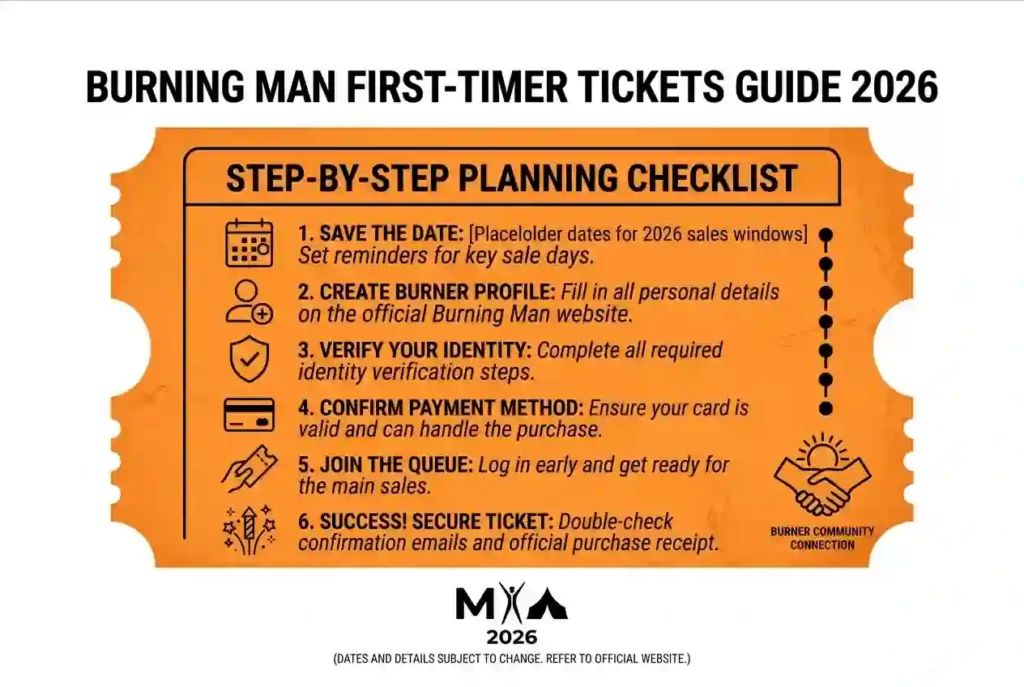
Familiarize yourself with the typical annual calendar (pre-sales, main sale, exchange windows, late releases). Mark these dates and set reminders. Build your personal timeline backward from the sale date so you can get accounts, IDs, and payment methods ready in advance.
Building a Ticket Acquisition Timeline
Create milestones: research and account setup (2–3 months before sale), funding and budget confirmation (1 month before), coordinating with campmates/friends (2–4 weeks before), and backup plan activation (post-sale). Use shared docs with campmates so everyone knows who’s responsible for purchasing and for covering costs if a block plan is used.
Setting Realistic Expectations
Accept that tickets are not guaranteed. Set a primary plan and 1–2 backup plans (e.g., waitlist, verified exchange, or joining a camp that secures spots). Decide in advance how much time and money you’ll commit to ticket acquisition before pivoting.
- Burning Man tickets are limited because Black Rock City has a real capacity and infrastructure limit.
- Bureau of Land Management rules and sustainability concerns shape attendance.
- The ticket system uses registration, randomized queues, sale phases, and digital purchasing.
- Burner Profile setup and account verification are essential before any sale begins.
- One account per participant helps keep the process clear and organized.
“Burning Man ticketing works best when a Burner understands that access is not random chaos — it is a structured system built around capacity, fairness, and preparation.”
Visual #1 — First-Timer Ticket Timeline Roadmap (visual: calendar-style roadmap showing milestones and sale windows
Which Ticket Path Is Best for New Burners?
There’s no one-size-fits-all ticket path; pick a route that matches your budget, flexibility, and tolerance for uncertainty. Some beginners prioritize certainty (locking a ticket early), others prioritize low cost, and some accept higher risk for flexibility. We’ll walk through how to evaluate paths and match them to your situation.
How do first-timers get Burning Man tickets?
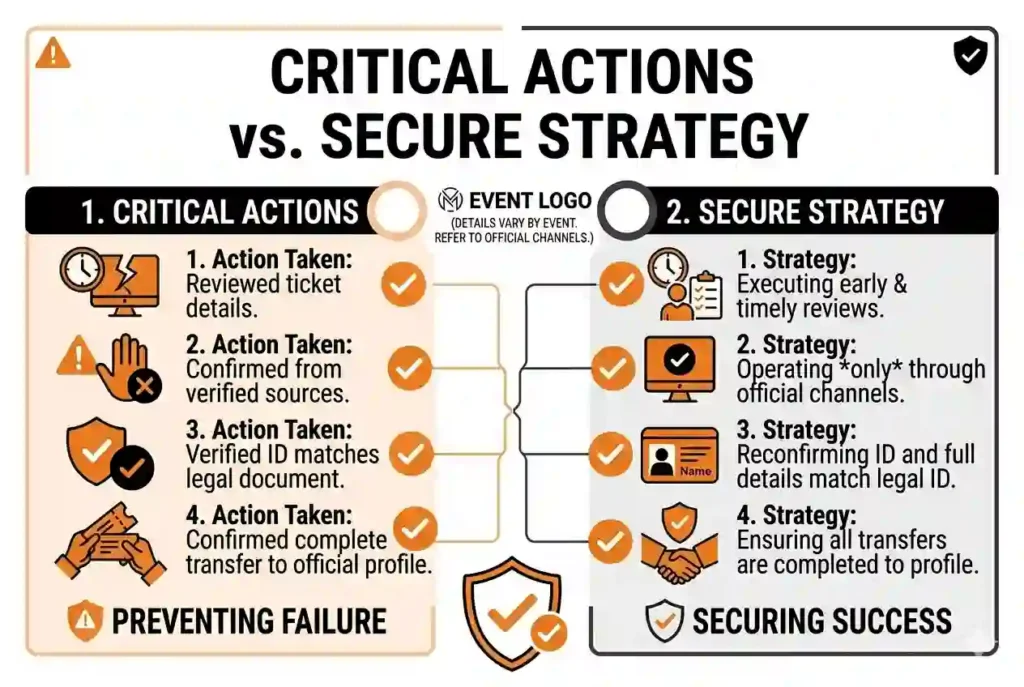
First-timers should start by creating an account on the official Burning Man ticketing portal and registering for the general sale and any newcomer-friendly sales. Read the event’s official ticketing pages for the current year’s calendar, eligibility rules, and any ID or residency requirements.
Consider joining a theme camp, becoming part of an official volunteer program (like Ranger, DPW, or placement), or applying through recognized partner organizations these routes often include ticket allocations for newcomers. Familiarize yourself with STEP (Secure Ticket Exchange Program) for safe secondary purchases if you must buy from another participant.
When should beginners buy tickets?
Buy as early as you can after sales are announced. The main general sale and pre-sales typically happen months before the event; dates vary each year so subscribe to official Burning Man mailing lists and follow their social channels. If you’re flexible, join multiple sale opportunities (early pre-sales, low-income (if eligible), and later resale windows like STEP) because tickets can sell out quickly. Plan for backups: enter several draws and mark resale windows on your calendar.
What ticket sale is best for newcomers?
For most first-timers the recommended paths are:
- Early or pilot sales if you’re able to attend those dates. These sometimes have smaller quantities and higher demand but avoid last-minute rushes.
- STEP resale windows for verified transfers from other attendees (safer than peer-to-peer methods).
- Tickets allocated via camps, volunteers, or civic participation programs if you join a camp or apply to volunteer these provide reliable access and community onboarding.
Evaluating Different Purchase Paths
Common paths include primary sale participation, joining a camp with pre-arranged spots, verified exchange purchases, charity auction/low-income options, or last-minute releases. Evaluate trade-offs: cost, time commitment, and reliability. For example, camp-arranged tickets often give certainty but require contribution; exchanges offer fairness but are competitive.
Choosing Based on Budget
If you’re budget-conscious, decide the maximum you’ll pay including fees and vehicle passes. Lower-cost paths may require more time (e.g., waitlists) or tradeoffs (joining a work-based camp). Allocate a realistic reserve for travel and deposits if you’ll be coordinating with others.
Choosing Based on Flexibility
If your dates aren’t fixed, flexible options like waitlists or last-minute releases may work. If you need certainty (paid time off, travel reservations), prioritize securing tickets early even at higher cost.
Choosing Based on Certainty
Certainty matters if you need to book flights, rental vehicles, or arrange caregiving responsibilities. Plan to secure tickets before you book nonrefundable travel unless you accept the risk.
Understanding Risk Levels
Rank options by risk: guaranteed (camp-arranged/hosted spot) → high-probability (primary sale) → moderate (verified exchanges/waitlists) → high-risk (unvetted secondary sellers). Use risk appetite to choose a path and avoid ignoring warning signs for risky offers.
Matching Ticket Strategy to Your Situation
Map your personal constraints budget, travel inflexibility, group commitments and pick a primary path plus backups that fit. Document decision criteria ahead of time so you don’t rush into scams or costly mistakes under pressure.
How Can Beginners Improve Their Chances of Success?
Small, practical steps dramatically improve your odds during high-pressure sale events. Preparation reduces errors and keeps you ready for backup opportunities that appear after initial sales. Here are tactical steps that veterans use to avoid pitfalls and win more often.
Preparing Before Registration Opens
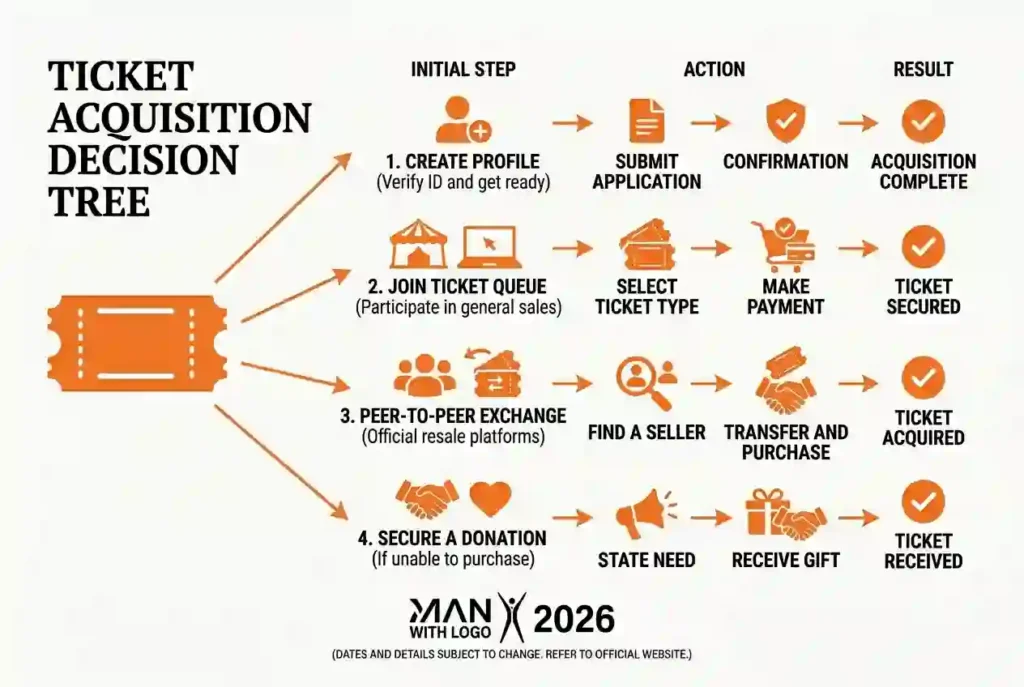
Set up accounts, verify emails, and have necessary IDs and payment methods ready. Create a single trusted document with all participant names and payment responsibilities. Test logins and autofill settings ahead of time to avoid delays.
Managing Accounts and Profiles
Use a dedicated email and a reliable password manager. Ensure billing addresses match your payment method, and clear any stored card errors. If a group is buying, decide who will make the transaction and ensure they have authority and funds.
Staying Informed About Announcements
Follow official channels, trusted community forums, and your camp’s communications. Turn on sale alerts and subscribe to newsletters. Trusted community channels often share tips about small releases or correction windows.
Coordinating With Friends and Camps
Communicate plans, payment responsibilities, and backup roles clearly in shared docs or group chats. If joining a camp, confirm expectations for deposits, refunds, and cancellation policies.
Backup Planning Strategies
Have 1–2 fallback options: a verified exchange profile, a list of trustworthy camp leads who might sponsor you, and a pre-agreed budget for last-minute purchase opportunities. Decide in advance how long you’ll pursue backups before pivoting to alternative plans.
What Should First-Timers Know About Waiting Lists and Secondary Opportunities?
After the main sale, the scene shifts to waiting lists, verified exchanges, and occasional release windows. These can be fruitful but require patience and vetting. Understand how to engage with them strategically without sinking time or money into unreliable channels.
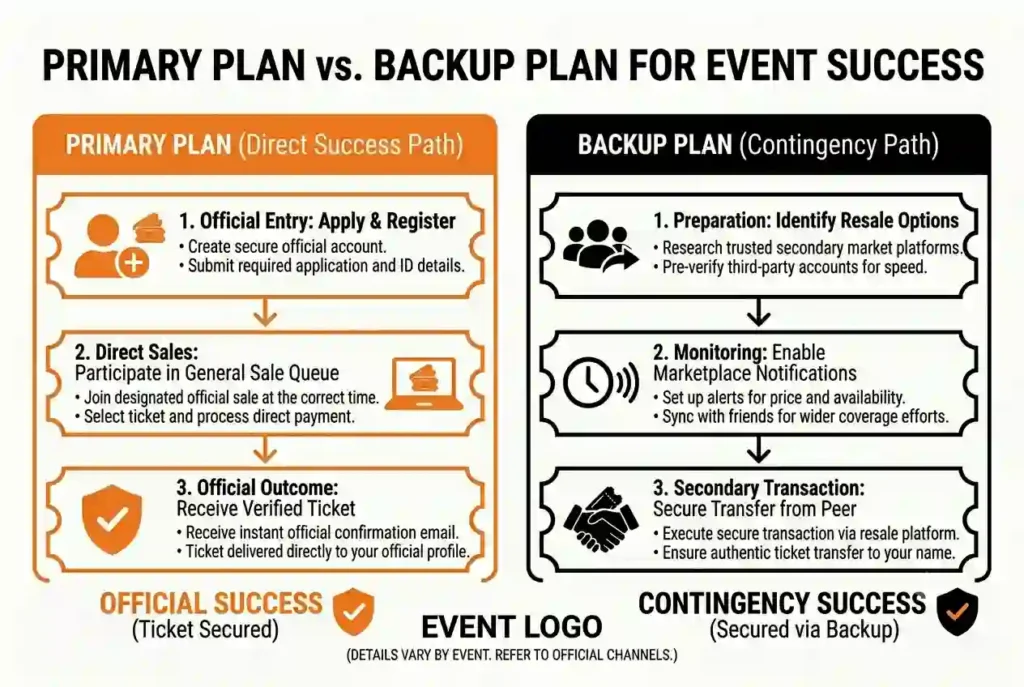
Why Backup Options Matter
Backups bridge the gap between primary sales and final confirmations. They’re essential for those who didn’t secure tickets initially and for groups coordinating late. Treat backups as planned contingencies, not desperate last resorts.
Managing Expectations During High Demand
Expect long waits and possible disappointment. Keep communication open with your group and set timelines for when to escalate to other plans (e.g., booking refundable travel only after ticket confirmation).
Recognizing Legitimate Opportunities
Verify resale platforms and community-verified exchanges. Confirm transfer mechanisms and ensure receipts/registration details match the purchaser’s name. Use platform protection and prefer methods that provide official transfer notifications.
Staying Patient Throughout the Process
The ticket season stretches over months; breathing room prevents poor decisions. Take periodic breaks from refreshing pages; rely on a system (alerts, community posts) instead of constant panic.
Avoiding Last-Minute Panic Decisions
Panic breeds mistakes: paying too much, trusting unverified sellers, or agreeing to risky ticket transfers. If a pathway feels dubious, step back and consult trusted community forums or camp leads before transacting.
Visual #4 — Primary vs Backup Ticket Paths (visual: side-by-side comparison of timing, cost, and reliability)
How Do Ticket Decisions Affect the Rest of Your Planning?
Your ticket choice ripples through every other planning decision: travel bookings, camp assignments, equipment purchases, and budget. Treat the ticket as the linchpin of your trip timeline lock it in before committing to nonrefundable travel or large gear purchases unless you accept the risk.
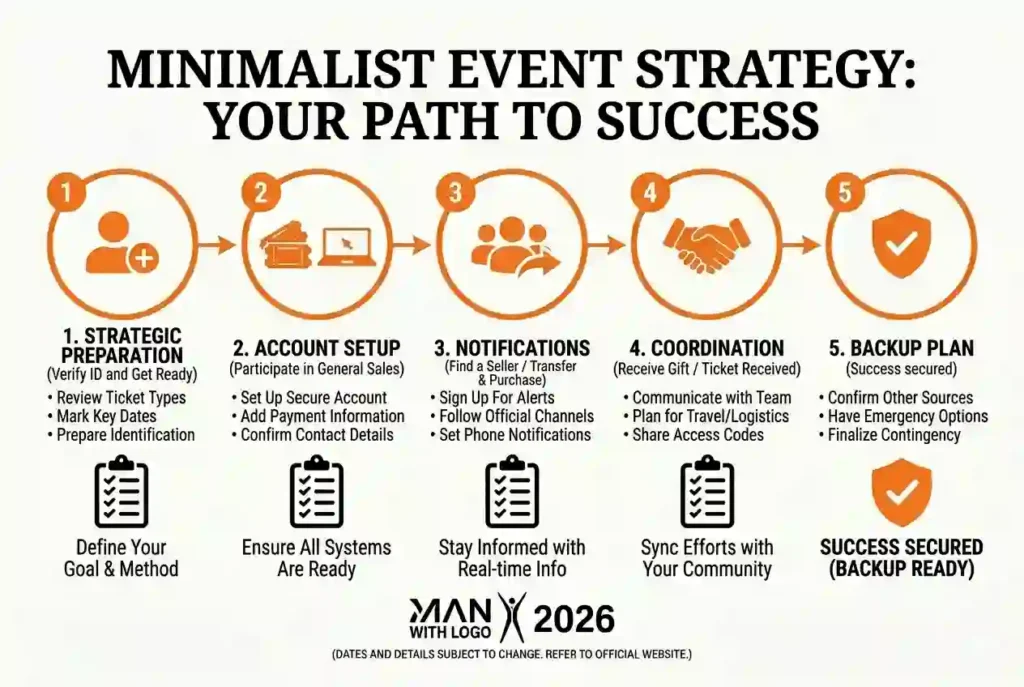
Transportation Commitments
Secure tickets before booking nonrefundable flights. If you must book early, use refundable options or wait for a soft commitment from your ticket path. Carpool and vehicle pass logistics depend on ticket confirmation.
Camp Registration Considerations
Camps often require deposits or commitments tied to ticket availability. Coordinate early with camps to understand hold deadlines and refund policies.
Equipment Purchases
Expensive commitments (RV rental, cargo shipping) are best made after ticket confirmation. For basic gear, buy earlier if it improves price and availability, but keep receipts and know return windows.
Travel Reservations
Plan flexible travel with refund or change options during ticket season. If you secure tickets late, plan for higher airfare and limited rental availability.
Budget Planning Impacts
Ticket cost determines how much you can allocate to travel, gear, and camp contributions. Build an updated budget after ticket confirmation and adjust secondary spending accordingly.
Visual #5 — Ticket-to-Trip Planning Workflow (visual: flow from ticket secured → travel → camp → packing → final checklist)
What is the STEP program?
STEP (Secure Ticket Exchange Program) is Burning Man’s official, verified platform for transferring tickets and vehicle passes between registered participants. It helps prevent fraud by verifying sellers and buyers and linking transfers to the event’s systems. Only transfers made through STEP are guaranteed to be valid by the organization; purchases outside STEP carry risk and are not supported if problems arise.
Can I buy a ticket from another person?
Yes, but only safely through official channels. The safest way to buy from another participant is via STEP. Avoid direct peer-to-peer sales through classifieds, social media DMs, or cash transactions unless they use STEP for transfer. If a seller refuses STEP or asks for payment outside the platform, treat that as a red flag.
Are resale tickets safe?
Resale tickets sold through STEP are safe and supported. Resales outside the official system are risky: they can be duplicates, counterfeit, or sold after the original purchaser was barred. Always prefer STEP or other official Burning Man partner resales. If you must use a secondary marketplace, verify seller reputation, insist on STEP transfer, and avoid overpaying.
How do I avoid ticket scams?
- Only use official Burning Man ticket pages and STEP for purchases and transfers.
- Ignore offers that pressure you to pay immediately off-platform.
- Never share banking or ID documents beyond what STEP or the official ticketing vendor requests.
- Check seller verification and ask for STEP transfer proof before payment.
- Use traceable payment methods recommended by the ticketing system; do not use wire transfers, gift cards, or cryptocurrency for private sales.
- Confirm buyer/seller names and transfer emails match STEP records once the transfer completes.
Ticket & Access
Planning your ticketing strategy is the first step to a smooth Burning Man experience. This section answers the most common questions newcomers ask about buying, transferring, and protecting tickets so you can focus on preparation, not panic.
Can I buy tickets at the gate?
No. Burning Man does not sell general admission tickets at the gate. A limited number of special access or emergency tickets may exist for staff, press, or sanctioned partners, but these are not available for walk-up purchase. Plan to secure your ticket before arrival.
What happens if tickets sell out?
If tickets sell out, use STEP resale windows and official partner resales, join waitlists where provided, and seek tickets via your camp or volunteer organizations. Avoid paying inflated prices on unverified markets. Keep monitoring the official ticketing channels; additional releases or returns occasionally happen as logistics change.
What documents should I bring?
- Government-issued photo ID that matches your ticket registration name.
- STEP transfer confirmation emails or screenshots (saved offline) showing proof of purchase/transfer.
- Vehicle pass documentation if driving in (assigned vehicle pass number, proof of registration).
- Any camp or volunteer confirmation emails and placement paperwork.
Bring printed and digital copies, and carry them in a secure, waterproof place. Make sure the name on your ticket matches your ID — mismatches can cause entry delays.
Special Tips for First-timer
- Create an official Burning Man account and follow ticketing announcements.
- Use official sales, volunteer/camp allocations, or STEP for transfers.
- Buy as early as possible; mark sale and resale dates.
- STEP is the only verified transfer platform prefer it for any secondary purchase.
- Avoid off-platform peer-to-peer sales; they’re high-risk for scams.
- No general admission sales at the gate; secure tickets before arrival.
- If sold out, monitor STEP resales, partner releases, and camp/volunteer allocations.
- Bring government photo ID, STEP transfer proof, and vehicle/camp confirmations.
What Ticket Mistakes Cost New Burners the Most?
Ticket mistakes are often preventable and costly. The most painful errors are missing key dates, trusting dubious sellers, and failing to coordinate with group members. Avoid these by setting clear timelines, validating sources, and decentralizing responsibilities so one person isn’t solely responsible for the group’s fate.
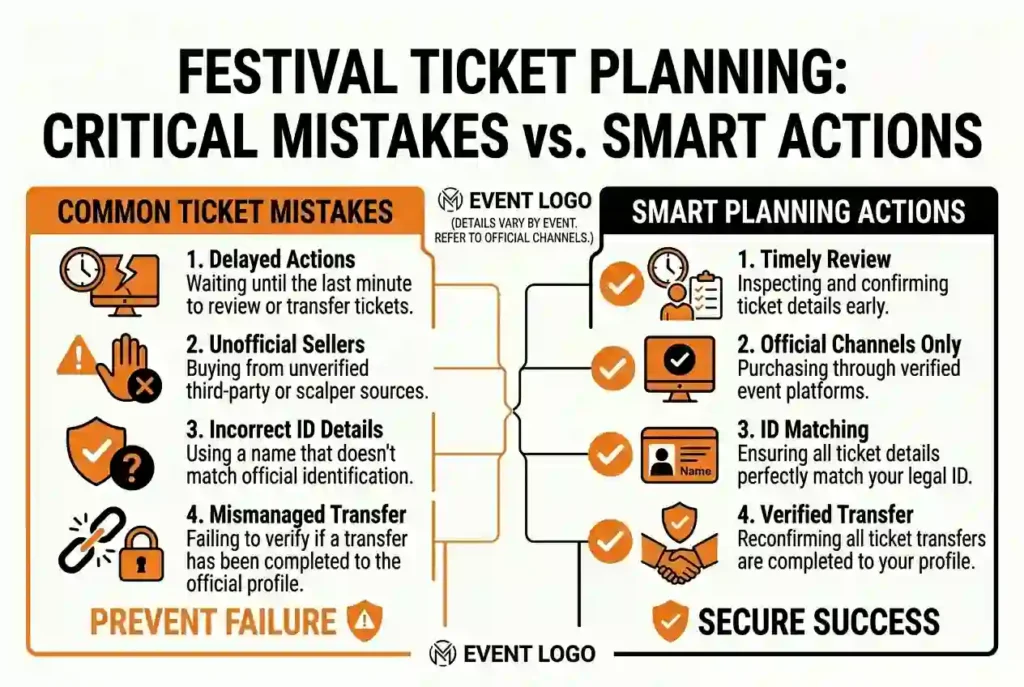
Missing Important Dates
Sale windows, vehicle pass deadlines, and camp hold dates can all lead to lost opportunities. Use calendar alerts and double-check deadlines with your camp or travel partners.
Relying on a Single Strategy
Putting all hope on one sale or one friend to secure a spot raises risk. Diversify with two or three backup paths that match your risk tolerance.
Ignoring Official Communications
Official announcements often include corrections, small releases, and important confirmation steps. Ignoring these can cause you to miss critical transfer windows or payment confirmations.
Rushing Into Unverified Offers
Quick decisions to buy from unknown sellers can lead to scams or invalid tickets. Pause, verify, and consult trusted community sources before proceeding.
Delaying Preparation Until the Last Minute
Last-minute panic increases mistakes. Start account setup, budgeting, and camp conversations early to avoid crunch-time errors.
How Can First-Timers Avoid Ticket Scams?
Scams prey on urgency and inexperience. With a few protective habits, you can largely avoid fraud: verify sellers, protect your financial info, and prefer official or community-vetted channels. When in doubt, ask a more experienced Burner or a trusted camp lead before paying.
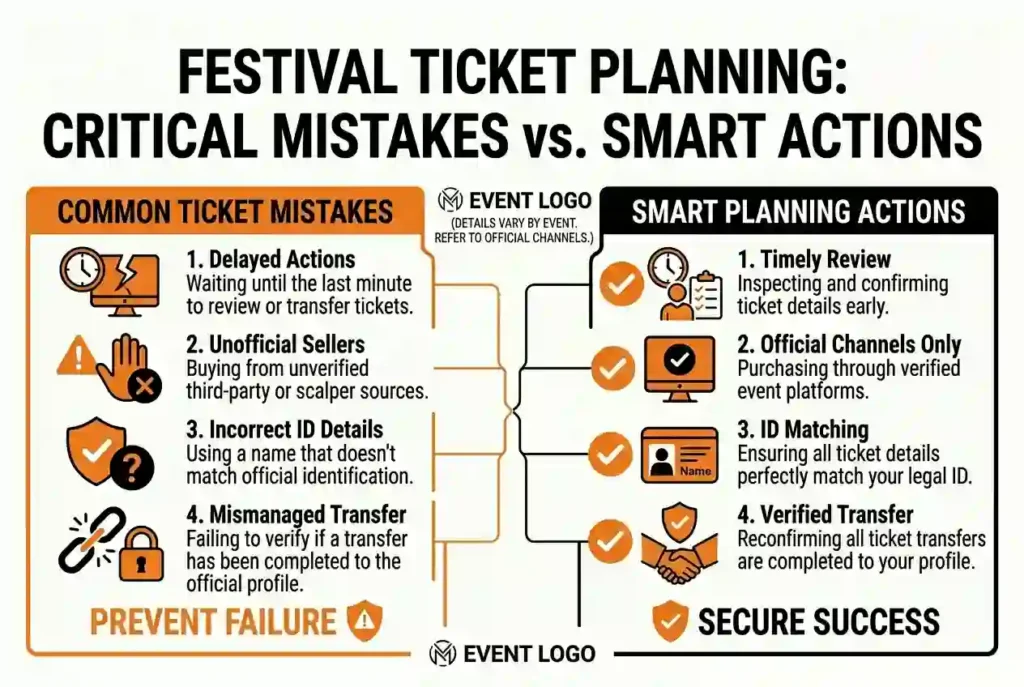
Warning Signs of Fraud
Red flags include sellers who avoid official platforms, requests for wire transfers only, unverifiable receipts, pressure to act immediately without time to verify, and prices that are significantly different from market norms.
Recognizing Suspicious Sellers
Check seller history, community reputation, and whether their story checks out across platforms. Use screenshots, ask for confirmation numbers, and confirm that the ticket transfer mechanism matches the official process.
Protecting Personal Information
Never share your full ID, social security number, or banking passwords. Use secure payment methods that offer buyer protection and avoid paying via unsecured channels.
Safe Payment Practices
Prefer payment platforms with dispute resolution, use credit cards when possible, and avoid wire transfers to unknown individuals. For group purchases, consider pre-arranged pooled payments where one trusted person manages the transaction with accountability.
Verifying Ticket Sources
Always confirm transfers via official event portals or verified exchange platforms. Keep copies of receipts, confirmation emails, and screenshots. If a ticket appears suspicious, contact official support or a trusted community moderator.
First-Time Ticket Buying in Numbers
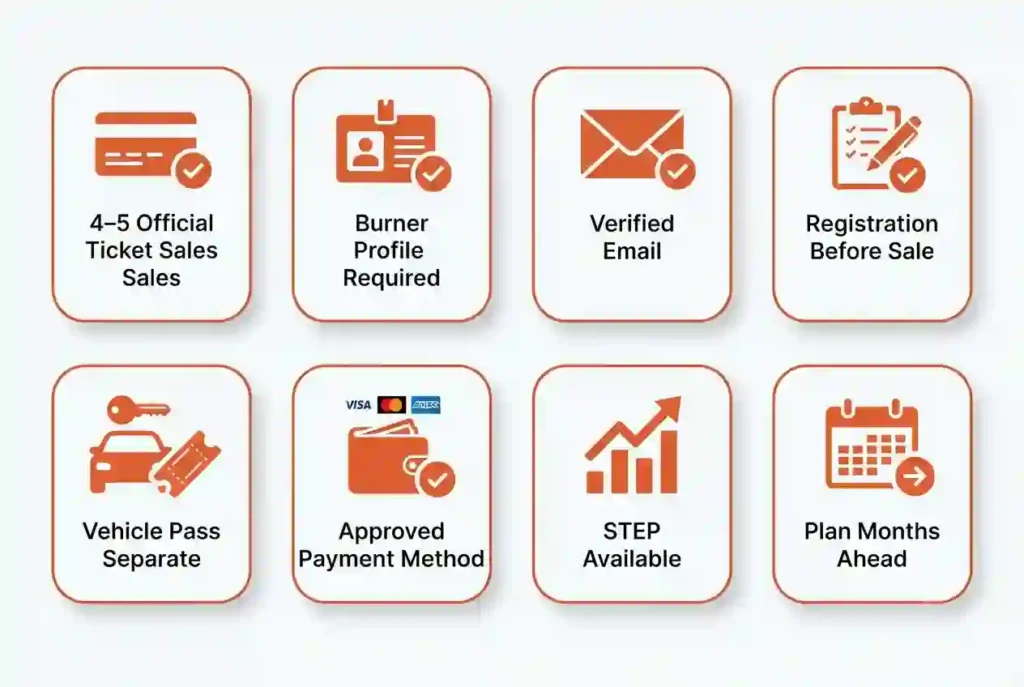
Buying your first Burning Man ticket requires planning before sales open. These numbers highlight the key facts every first-time buyer should know before registration begins.
Key Numbers
- 🎟️ 4–5 Major Ticket Sales — Multiple official opportunities to purchase tickets each year.
- 👤 1 Burner Profile Required — You must create and verify your Burner Profile before registering.
- 📧 1 Verified Email Address — Your Burner Profile email should remain active throughout the ticket process.
- ⏰ Registration Opens Before Sales — Most sales require advance registration.
- 🚗 Vehicle Pass Sold Separately — Event admission does not include vehicle entry.
- 💳 One Approved Payment Method — Use a payment card with sufficient funds before checkout.
- 🔄 STEP Available — The Secure Ticket Exchange Program offers another chance to buy official tickets.
- 📅 Plan Several Months Ahead — Successful buyers prepare well before ticket sales begin.
Common Myths vs Reality About First-Time Tickets
| Myth | Reality |
|---|---|
| First-time Burners can’t get tickets. | Thousands of first-time participants attend every year through official ticket sales. |
| I only have one chance to buy tickets. | Multiple official sales and STEP provide several opportunities. |
| A ticket includes a vehicle pass. | Vehicle passes are purchased separately. |
| Buying from social media is easier. | Official sales and STEP remain the safest purchasing methods. |
| I can create my Burner Profile on sale day. | Profiles should be created and verified before registration opens. |
| Cheap tickets are always good deals. | Unusually low prices are one of the biggest warning signs of ticket scams. |
What Do Experienced Burners Recommend About Tickets?
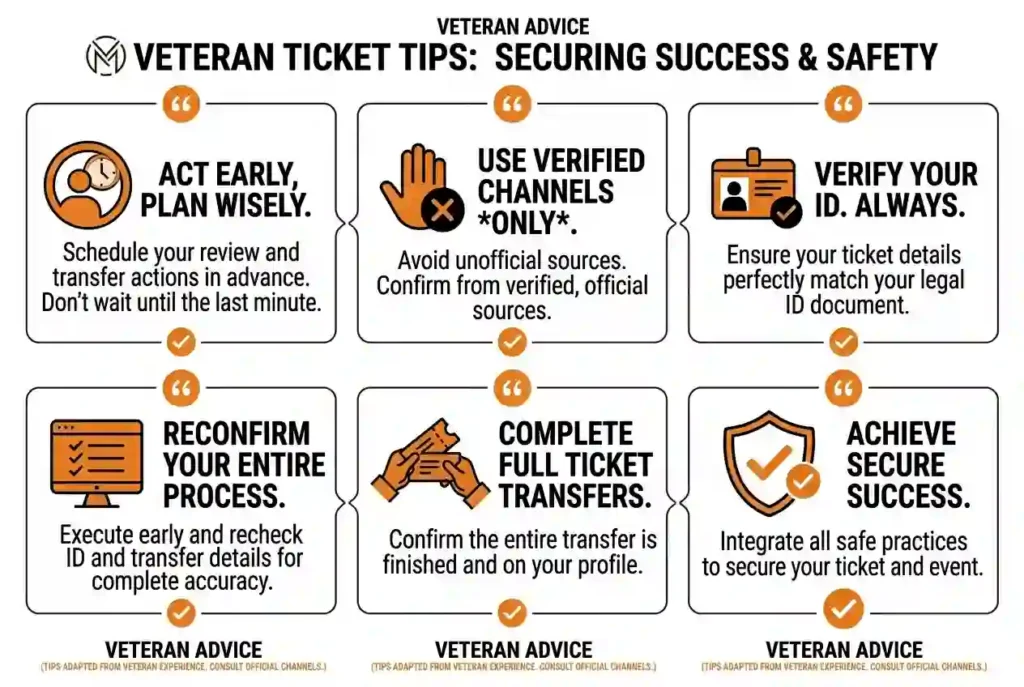
Veterans share practical habits that take heat out of ticket season: set budgets, make clear group agreements, hold contingency funds, and keep emotions out of purchasing decisions. Their tips are about process and temperament as much as tactics.
Lessons From Past Sales
Prepare accounts and funds early, avoid emotional bidding or panic buys, and coordinate with camp leads. Learn from previous sale patterns and adopt a patient, methodical approach.
Community Advice for Beginners
Lean on camp contacts, mentors, and community channels. Ask veteran Burners to review offers before you transact and use vetted exchange forums for resale.
Common Success Stories
Success often comes from combined strategies: partial camp-arranged spots plus verified exchange backups, or early financial readiness enabling quick, decisive purchases during main sales.
Common Ticket Regrets
Regrets include overpaying in panic, not confirming vehicle passes, and failing to coordinate with campmates leading to split parties on arrival.
Building a Long-Term Ticket Strategy
If you plan to attend multiple years, veterans recommend building relationships with camps, volunteering roles that include ticket perks, and steadily saving a ticket fund to reduce pressure in future sales.
Visual #8 — Veteran Ticket Advice Cards (visual: bite-sized veteran tips with short explanations)
First-Time Ticket Buying Checklist
Before Ticket Sales Open
- ✅ Create and verify your Burner Profile
- ✅ Read the official ticket sale schedule
- ✅ Decide which ticket sale fits your situation
- ✅ Confirm your payment method works
- ✅ Prepare a reliable internet connection
- ✅ Know whether you need a vehicle pass
- ✅ Learn how STEP works
- ✅ Avoid unofficial ticket sellers
- ✅ Understand refund and transfer rules
- ✅ Have a backup plan if your first sale is unsuccessful
Frequently Asked Questions About First-Timer Tickets
Yes. Every official sale is open to eligible participants, and thousands of first-time Burners attend each year.
The Main Sale is the primary opportunity, while STEP provides another official option if you miss it.
Yes. Most official sales require a verified Burner Profile before registration.
You can try other official sales or join STEP to purchase tickets through the official exchange.
Only after completing careful verification. Official ticket sales and STEP remain much safer options.
Only if your vehicle will enter Black Rock City. Admission tickets and vehicle passes are separate purchases.
Transfer rules vary each year, so always follow the official ticketing policies.
Use secure payment methods that offer buyer protection whenever possible.
Waiting until ticket sales begin before creating a Burner Profile or understanding the purchase process.
Buy through official sales or STEP whenever possible, and verify any private seller before sending payment.
Yes. Secure your ticket first whenever possible before making major non-refundable travel bookings.
First-Timer Pro Tips
- 🎯 Create your Burner Profile weeks before registration opens.
- 📅 Add all registration and sale dates to your calendar with reminders.
- 💳 Check your payment card limit before sale day.
- 📧 Monitor your email for registration confirmations and updates.
- 🚗 Decide early if you’ll need a vehicle pass.
- 🔄 Learn how STEP works before you actually need it.
- 🛑 Ignore anyone pressuring you into a quick private sale.
- 📋 Read the official ticket terms before completing your purchase.