
Everywhere 2026: What Is the Decentralized Burn and How Can You Participate?
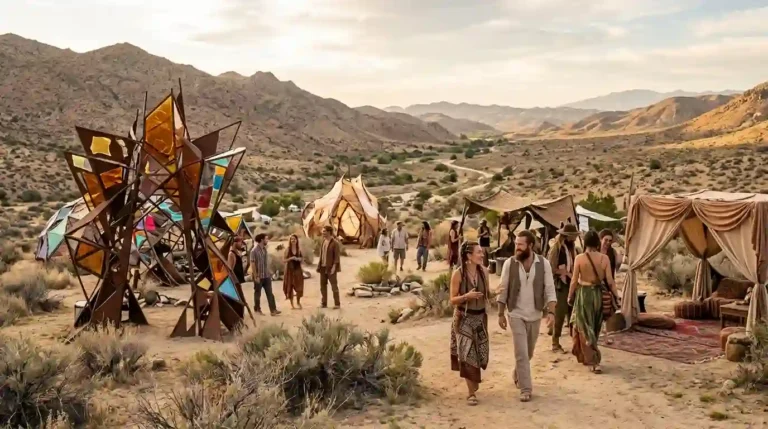
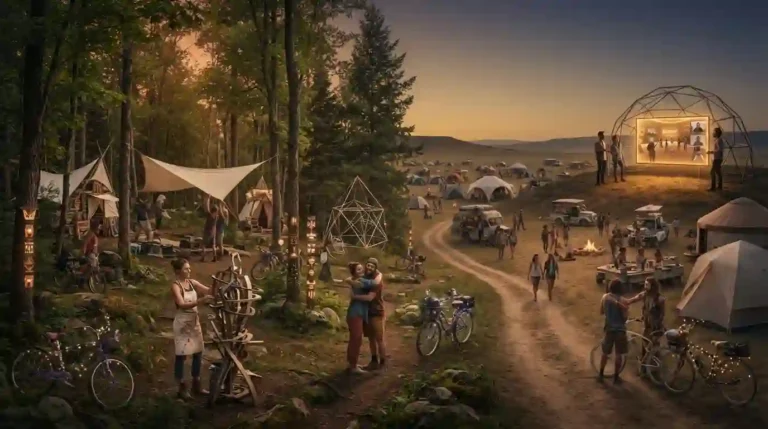
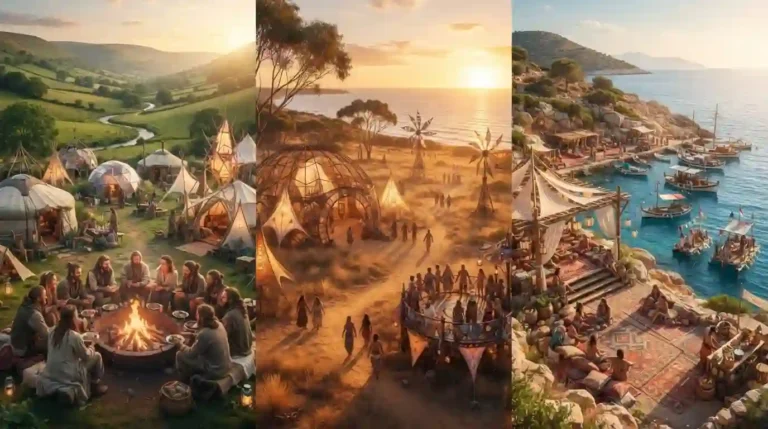
Everywhere presents an idea that moves beyond a festival at one destination: connecting people, communities, spaces and events without one fixed location.
A community-contributed Burns Around the World spreadsheet lists Everywhere as a “decentralized burn,” with tentative dates of November 20–30, 2026. However, those dates, the participating programme and any organizational relationship with Burning Man still require direct confirmation.
For readers interested in participatory culture, the central question is compelling: can separate local gatherings become one connected community experience?
This guide explains what Everywhere publicly says about itself, what remains unverified and what prospective participants should check before attending or hosting a gathering.
Editorial status — November 21, 2026: Everywhere’s homepage was accessible during our review, but its full events calendar could not be retrieved. This article therefore does not present an independently confirmed November 21 programme.
What Is Everywhere 2026?
Everywhere describes itself as a decentralized movement connecting people, communities, spaces and events. Its public introduction emphasizes connection rather than one destination or central venue.
That makes it worth exploring as a community initiative—but its broad description should not be mistaken for a complete event programme.
Who is behind Everywhere?
The homepage presents the Everywhere identity, but the text available during our review did not identify a responsible organizing team.
Before registering for a gathering, distinguish between:
- The platform presenting the listing.
- The person or organization hosting the event.
- The venue where it takes place.
- Any separate registration or ticket provider.
These may have different responsibilities.
Why is Everywhere described as a decentralized burn?
The supplied Burns Around the World spreadsheet uses the description “Decentralized burn” and connects the entry with Everywhere’s website.
That establishes a research lead, not an organizer-confirmed definition. The important question is what makes a local gathering part of the initiative rather than simply an event appearing on a broader calendar.
When does Everywhere 2026 take place?
The spreadsheet lists tentative dates of November 20–30, 2026.
Because the date columns are explicitly marked tentative, readers should not treat this period as a confirmed operating schedule. Individual gathering dates need separate confirmation.
Where can people participate?
Everywhere’s homepage states:
“There is no single location. It happens wherever and whenever we tune into our highest frequencies.”
— Everywhere
This explains its broad positioning. It does not establish that public events are available in every city or country.
How Does a Decentralized Burn Work?
A decentralized gathering model raises the possibility of people meeting locally while identifying with something wider.

For Everywhere, the practical arrangements—such as participating hosts, coordination and shared activities—still need clarification.
Does one shared initiative include multiple local experiences?
That is the possibility suggested by the decentralized description. However, a confirmed programme is needed to establish which gatherings belong to the 2026 initiative.
Look for an explicit statement connecting a local event with Everywhere 2026.
What connects gatherings in different places?
Everywhere emphasizes connections between communities, spaces and events. The homepage text retrieved during our review did not explain whether participating gatherings share a schedule, activity or coordination process.
Those details would show how the wider idea becomes a shared experience.
What role do local hosts and community organizers play?
The local host is the essential contact for the gathering itself.
Before attending, establish who can answer questions about:
- Entry and registration.
- Venue access.
- Participation expectations.
- Schedule changes.
- Cancellations and refunds, where relevant.
Do not assume that the calendar platform handles every local arrangement.
How does this differ from a single-site festival?
The clearest distinction is Everywhere’s statement that it has no single location.
For participants, that makes individual gathering information especially important. A broad initiative description cannot replace a local programme, venue address or registration confirmation.
What is the difference between Everywhere, Decompressions and Regional Events?
Treat these as separate identities until their relationships are established.
| Description | What readers should verify |
|---|---|
| Everywhere | Its organizers, confirmed programme and participation process |
| A Decompression | The named host, purpose and current event details |
| A Regional Event | Its current recognition status and organizer information |
| A calendar listing | Whether inclusion means participation, affiliation or simply discovery |
Overlapping audiences or similar language do not prove a formal relationship.
How Does the Everywhere Events Calendar Work?
A calendar can help readers discover opportunities. It should not be the only information checked before making plans.
How can you browse gatherings by date, location and type?
Start with the calendar available through Everywhere’s website, then open the information for the gathering that interests you.
The calendar could not be independently retrieved during our latest review, so we are not publishing a current event count or claiming that particular filters are functioning.
Is every calendar listing part of Everywhere 2026?
That has not been established.
A platform’s wider calendar and one specific initiative’s programme may not be identical. Look for wording that explicitly connects a listing to Everywhere 2026.
How can you identify a confirmed participating gathering?
Useful confirmation should identify:
- The gathering’s name.
- Its relationship with Everywhere.
- Its local date and venue.
- The responsible host.
- A current programme or registration route.
Why do individual host pages matter?
They provide the details needed to turn an interesting listing into a realistic attendance plan.
If the calendar and the host’s announcement disagree, ask which information is current rather than choosing whichever date suits your plans.
Everywhere 2026 Events: What Is Happening and Where?
A confirmed programme was not available from this review.
Rather than presenting tentative listings as established events, the responsible approach is to identify what still needs checking.
Which gatherings and local hosts are confirmed?
This article does not currently identify any individual gathering as a confirmed component of the November initiative.
The spreadsheet lists Everywhere itself, but it does not establish the initiative’s complete programme.
Are there in-person gatherings or online options?
Neither a complete physical programme nor an online schedule was verified.
“Decentralized” should not automatically be interpreted as “virtual.”
How should you check dates, venues and programmes?
Check the individual host’s current announcement and confirm that it refers to the correct year.
For overnight gatherings, establish both the start and finish dates. An event beginning on one evening may continue into the following morning.
Where should you find registration and organizer updates?
Use the booking route supplied by the named host.
Before submitting information or payment, check that the event name, venue and date match the gathering you intend to join.
What Can You Join on November 21, 2026?
No same-day Everywhere gathering was independently confirmed during this review.
That is a limit of our verification—not a statement that no gatherings exist.
Which November 21 gatherings are confirmed?
None is presented as confirmed in this article.
A previously discovered listing should not become an attendance recommendation without checking the individual host.
Why should you check the event’s local date and time?
“Today” depends on where the event takes place.
Use the gathering’s local date and time rather than assuming that an international article’s publication time reflects conditions at the venue.
How should you check availability and last-minute changes?
Read the host’s latest announcement before leaving.
If booking information is unclear, ask whether registration remains open and whether walk-ins are accepted.
How Can You Participate in Everywhere 2026?
Begin with a confirmed gathering and decide how you want to be involved: attending, contributing or helping organize.

How can you attend a local gathering?
Identify the event, confirm its relationship with the initiative and follow its own entry process.
Joining a platform or mailing list should not be treated as an admission reservation.
Can you contribute skills, activities or creative work?
Ask the host what is welcome and what needs advance agreement.
Explain your proposed contribution clearly, including any equipment, space, time or assistance it requires.
How can you help a local host?
Offer something specific and ask whether it is needed.
A useful conversation establishes the task, timing, contact person and expectations before you commit.
Do you need previous burn experience?
No initiative-wide experience requirement was verified.
Read the individual gathering’s information rather than assuming it is either restricted to experienced participants or automatically open to everyone.
Where should first-time participants begin?
A straightforward starting process is:
- Read the current gathering information.
- Identify the responsible host.
- Confirm entry requirements.
- Ask what participation involves.
- Decide whether the experience suits you.
For a separate introduction to art, camps and volunteering at Black Rock City, read our existing participation guide. The November 14 fair has passed, so use that article for background rather than current fair registration.
Explore Our Burning Man 2027 Participation Guide
Can You Organize Your Own Everywhere Gathering?
An open hosting process was not verified during this review.
Before advertising an event under the Everywhere name, ask what permission, submission or participation arrangements apply.
Who can propose or host an event?
Eligibility remains unconfirmed.
Decentralized language does not automatically mean that anyone can use an initiative’s name or branding.
What hosting guidelines apply?
Request the current guidance directly.
Clarify any expectations concerning conduct, safety, registration, communication and use of the initiative’s identity.
How can hosts submit a gathering to the calendar?
A verified submission procedure is not provided here.
Use the initiative’s current communication channels rather than relying on an old invitation or an unrelated event listing.
What information should a host prepare?
A practical proposal can identify:
- The gathering’s purpose.
- The responsible organizers.
- A proposed date and venue.
- Intended participants.
- Entry arrangements.
- Accessibility and contact information.
This is a preparation checklist, not a confirmed Everywhere application form.
What responsibilities remain with the local organizer?
Ask who handles participant questions, venue arrangements, cancellations and complaints.
Clear responsibilities help people understand whom to contact when plans change.
What Should Participants Know Before Attending?
A community-focused description should not replace practical preparation.

Are gatherings free, donation-based or individually ticketed?
No initiative-wide pricing arrangement was verified.
Check the terms for the specific gathering rather than assuming all events follow one model.
Do you need registration or host approval?
That remains event-specific.
A publicly visible listing does not establish that advance registration is unnecessary.
How should you check travel and accessibility information?
Confirm the exact address, arrival instructions and relevant access details with the host or venue.
Avoid making non-refundable arrangements around an approximate location.
Are there age restrictions or participation requirements?
Read the host’s current terms.
An inclusive description does not necessarily mean that every gathering is suitable for every age group.
What conduct and photography guidelines apply?
Check the gathering’s rules and ask before photographing or recording other participants.
Clarify whether images can be shared publicly.
What should you bring?
Follow the host’s instructions.
Do not assume that food, drinking water, accommodation or equipment is included unless it is explicitly stated.
What five things should you confirm before leaving?
- Local date and start–finish time.
- Exact venue and accessibility.
- Booking, capacity and age requirements.
- What to bring or contribute.
- The host’s latest update and contact details.
Is Everywhere Connected to Burning Man?
A formal organizational relationship was not established in the sources reviewed for this article.
What connection do Everywhere’s organizers describe?
The retrieved homepage describes a decentralized movement but does not identify a Burning Man Project affiliation.
Is Everywhere an official Burning Man Regional Event?
This article does not establish official recognition.
The supplied spreadsheet marks its recognition field “N,” but a community-compiled entry is not definitive evidence of current status.
Is it organized or endorsed by Burning Man Project?
No such relationship was verified.
BurningManTV coverage should not be interpreted as evidence of endorsement.
Are shared cultural ideas the same as formal affiliation?
No.
Comparing ideas is different from claiming that two organizations work together. Any formal relationship should be explicitly supported and attributed.
Are ENTRE NÓS and ATÉ CHÁ Connected to This Initiative?
Their relationship with the November Everywhere initiative remains unresolved in this review.
What relationship can be confirmed?
This article does not establish that either is a confirmed component of Everywhere’s November programme.
Which date and programme are verified?
No current ENTRE NÓS attendance details are presented here as independently verified.
Previously circulated programme information still needs confirmation from a readable, current host source.
Could a calendar listing be separate from the November initiative?
Yes. That possibility remains open until the initiative or host explains the relationship.
What could this example reveal about participation?
A confirmed case study could explain how one local gathering contributes to a distributed experience.
Until then, it should not be used as the main evidence for how Everywhere works.
What Makes a Distributed Community Experience Work?
The most useful answers would come from organizers and participating hosts explaining their actual arrangements.
How do organizers define a shared experience?
The central question is what participants share beyond a name and a calendar.
A common activity, purpose or communication process would need to be identified—not assumed.
How do local hosts connect with the wider initiative?
A host network or coordination process was not established in the retrieved homepage information.
What are participants invited to contribute?
Read each gathering’s explicit invitation.
Do not assume that attendance requires performing, volunteering or bringing a gift.
How do gatherings stay connected across locations?
The mechanism remains unconfirmed.
Understanding that connection is essential to distinguishing a coordinated initiative from a broader collection of listings.
What coordination and inclusion questions matter?
Useful questions include:
- How are updates communicated?
- What languages are used?
- How are access needs handled?
- Who supports local hosts?
- How are participant concerns addressed?
These are questions for further reporting, not claims that particular problems have occurred.
What Ends, What Continues and What Comes Next?
The tentative calendar provides a research timeline, not proof of completed activities.
What has already happened?
The spreadsheet’s listed November 20 start date has passed.
That alone does not establish that an opening activity took place. Reporting what happened requires attributable evidence.
What continues during the listed period?
November 21 falls within the tentative November 20–30 range.
A confirmed programme is still needed to identify actual ongoing opportunities.
What comes next?
Follow confirmed host announcements rather than assuming that every day in the listed period includes a public activity.
How can readers stay connected afterward?
Follow the initiative’s announcements and the local hosts whose gatherings interest you.
For more coverage of participation, community gatherings and developments beyond Black Rock City, explore BurningManTV.
Explore More Community Stories
What Are the Most Common Questions About Everywhere 2026?
Is Everywhere one event or several gatherings?
Its homepage says there is no single location. A complete 2026 programme was not verified.
Are November 20–30 confirmed dates?
No. They are tentative dates in the supplied spreadsheet.
Is every calendar event part of the initiative?
That has not been established.
Can people outside the United States participate?
The homepage does not describe a single national location. Actual opportunities depend on confirmed gatherings and their requirements.
Do gatherings require separate tickets?
No common ticketing arrangement was verified. Check the individual host.
Can anyone host?
An open hosting policy was not verified.
Is previous Burning Man experience required?
No initiative-wide requirement was established. Individual hosts should clarify eligibility.
Where should participants check schedule changes?
Use the host’s current announcement and the information associated with the gathering’s registration.
Where Can Readers Find Official Information and Updates?
Use the official Everywhere website for the initiative’s own description and access to its event information. Confirm attendance details with individual hosts.
Which facts are confirmed?
Everywhere publicly describes itself as decentralized and says it has no single location.
The supplied spreadsheet separately lists tentative November dates and describes the entry as a decentralized burn.
What remains unverified?
The responsible organizing team, confirmed initiative dates, participating programme, open hosting process and formal Burning Man relationship remain unresolved in this review.
How are conflicting dates handled?
Unresolved dates are identified as tentative rather than presented as settled.
An organizer-confirmed correction should replace an aggregator date only when the source and change can be identified.
What changed in this review?
The accessible homepage was checked again. The full calendar could not be retrieved, and no new organizer confirmation was obtained.
Before making plans, choose a specific gathering, identify its host and confirm its requirements. A compelling community idea is a starting point; verified local information is what helps you participate confidently.