
Regional Burns Live Update — September 20, 2026: Decompression, Final Days, Weather & What’s Next
September 20, 2026 is a meaningful transition day for the Burning Man Regional Network. Pyraegea in Greece has moved from its main sailing gathering into decompression, while Resonance in Kansas and B.U.R.N. Burn in Illinois are on their final scheduled day. At the same time, the next wave of Regional events is close: Granite Burn in New Hampshire and Hearths O’Phyre in Iowa begin on September 24.
This live update brings together today’s Regional Burn status, final-day travel and weather checks, camp-strike essentials, Leave No Trace guidance, first-timer advice, returning Burner hacks and the next events to watch. Whether you are packing your vehicle, recovering after Pyraegea or preparing for the next Burn, the central message is the same: participate with care, travel safely and leave your space better than you found it.
“The final day is not after the Burn. It is the last opportunity to practice the values that made the Burn matter.”
Last updated: September 20, 2026. Event plans, local weather, travel conditions and organizer guidance can change quickly. Check official event channels before travelling, departing or changing your plan.
Which Regional Burns Are Happening Today?
On September 20, 2026, Pyraegea in Greece is continuing into decompression, while Resonance in Kansas and B.U.R.N. Burn in Illinois are on their final scheduled day. Granite Burn – Mythbehavin in New Hampshire and Hearths O’Phyre in Iowa are the next listed Regional Burns, both beginning September 24. Toronto’s Time TO Burn Decompression follows on September 26.
This is a day of endings, transitions and preparation. Some Burners are closing camps and beginning the journey home. Others are resting after an immersive gathering. Many are checking gear, travel routes and weather forecasts for the next Burn on the calendar.
Looking for every upcoming Regional event in one place?
Burning Man Regional Burn Status Today — September 20, 2026
Today’s Regional Burn landscape includes three different stages of the Burner experience: decompression, final-day participation and upcoming-event preparation. Understanding those differences helps readers make safer plans and gives each event the right context.
A Burn does not have only one meaningful moment. Arrival, participation, camp life, art, cleanup, departure and decompression all form part of the experience. On September 20, participants may be celebrating, packing, cleaning, resting or planning the next adventure.
| Event | Location | Status Today | What to Focus On |
|---|---|---|---|
| Pyraegea 2026 | Southern Dodecanese, Greece | Continuing into decompression | Rest, reconnect, organize onward travel |
| Resonance 2026 | Kansas, USA | Final scheduled day | Participate, pack carefully and complete cleanup |
| B.U.R.N. Burn | Ottawa, Illinois, USA | Final scheduled day | Leave No Trace, vehicle safety and responsible departure |
| Granite Burn – Mythbehavin | Chatham, New Hampshire, USA | Starting soon | Packing, travel planning and survival preparation |
| Hearths O’Phyre | Conesville, Iowa, USA | Starting soon | Gear check, camp plans and arrival readiness |
| Time TO Burn | Toronto, Ontario, Canada | Upcoming decompression | City gathering plans and post-Burn connection |
Pyraegea 2026 — Greece: Continuing Into Decompression
Pyraegea’s main gathering has moved into its decompression phase. For a water-based Burner experience, this transition has its own rhythm. Participants may be moving from boats to land, managing onward transport, reconnecting with friends, resting after travel and reflecting on the art, conversations and shared moments that shaped the gathering.
Decompression should not be treated as a rushed exit. It is a chance to slow down after a high-energy community experience. Burners can use this time to rest, rehydrate, sort belongings, thank collaborators and make practical plans before returning to work, family routines or further travel.
Pyraegea decompression priorities:
- Confirm accommodation, ferry, flight or land-travel plans.
- Eat a proper meal and drink water before travelling.
- Recharge phones, power banks and navigation devices.
- Check passports, tickets, money, medication and valuables.
- Share photos only with consent from people appearing in them.
- Give yourself extra recovery time if possible.
- Follow current organizer updates rather than relying on old posts or rumours.
Planning a future water-based Burner adventure?
Resonance 2026 — Kansas: Final Scheduled Day
Resonance reaches its final scheduled day today in Kansas. Final day can bring a mixture of excitement, tiredness, emotion and practical pressure. It is tempting to focus only on one last activity, one last conversation or one last moment of art. But responsible departure begins long before your vehicle leaves the site.
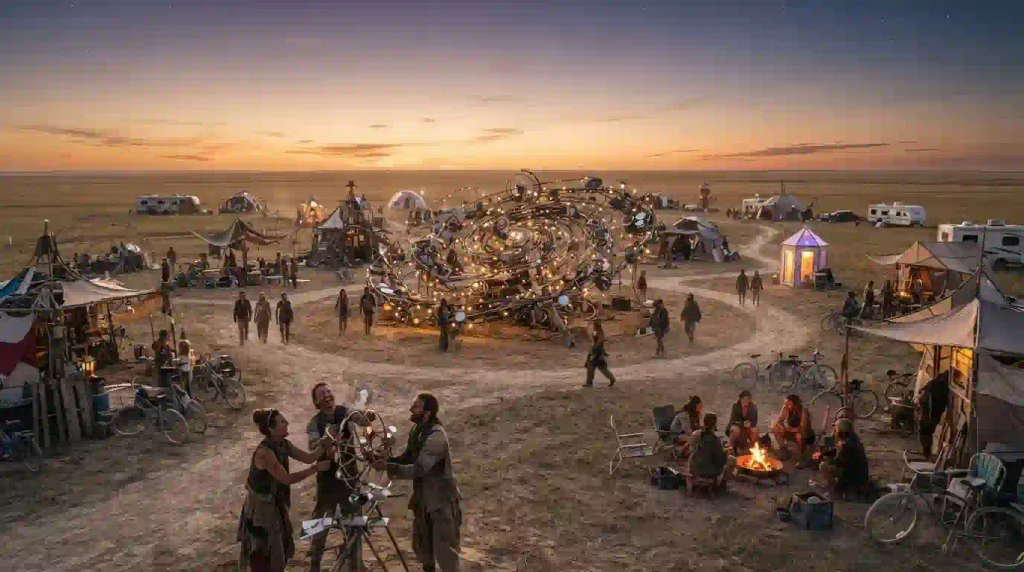
The best final-day contribution is often simple: help your camp finish well. That may mean packing shared supplies, cleaning a kitchen space, returning borrowed gear, doing a slow MOOP sweep or checking that a first-time Burner has a safe journey plan.
Final-day priorities at Resonance:
- Pack shared camp items before personal decorations.
- Clean common areas while there is still daylight.
- Check beneath tents, carpets, tarps and vehicles.
- Drink water and eat before beginning a long drive.
- Charge devices and download maps before losing signal.
- Ask organizers for the latest departure or site instructions.
- Leave enough time to rest if you are too tired to drive safely.
Need help preparing for a Regional Burn departure?
B.U.R.N. Burn — Illinois: Final Scheduled Day
B.U.R.N. Burn in Ottawa, Illinois reaches its final scheduled day on September 20. The final day is where the principle of Leaving No Trace becomes most visible. A clean campsite, organized vehicle and respectful departure are not minor details. They are an essential part of Burner culture.
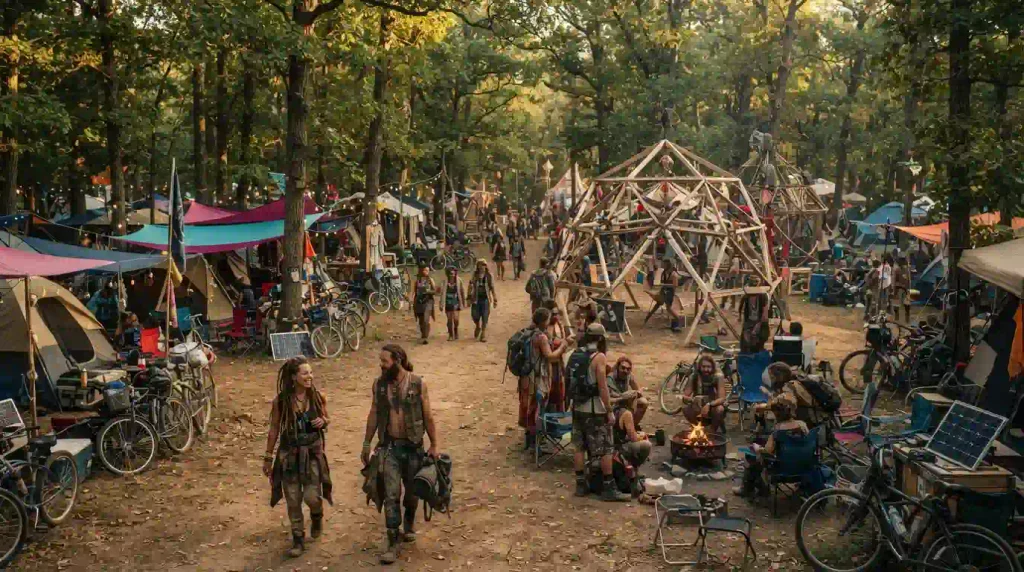
Before leaving, take time to inspect your full camp footprint. Small items are easy to miss: broken zip ties, tape, food scraps, bottle caps, glitter, cigarette ends, cable pieces, plastic fragments and damaged decorations. A successful camp strike means taking responsibility for every item brought onto the site.
B.U.R.N. Burn final-day priorities:
- Complete a thorough MOOP sweep.
- Ask campmates to inspect your space with fresh eyes.
- Bag and secure all rubbish before loading your vehicle.
- Remove stakes, ropes, signs, lights and decorations.
- Secure loose cargo, especially on roof racks and trailers.
- Confirm your exit route and check local driving conditions.
- Do not drive while exhausted, impaired or emotionally overwhelmed.
Learn how to leave a Burn cleaner than you found it.
Granite Burn – Mythbehavin — New Hampshire: Starts September 24
Granite Burn – Mythbehavin begins soon in Chatham, New Hampshire. With only a few days remaining before arrival, this is the right time to shift from broad planning to practical preparation. Check gear, review transport arrangements, organize food and make sure your camp is ready for changing conditions.
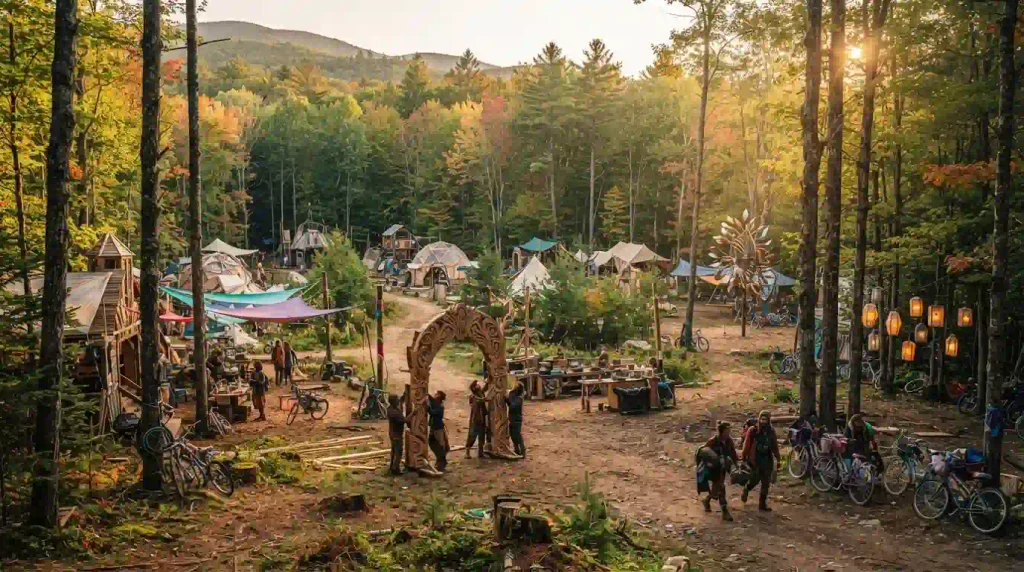
The most successful Burn packing plans are built around needs, not only aesthetics. Costumes and creative items matter, but they should never replace water, shelter, clothing layers, lights, food, first-aid supplies and cleanup tools.
Granite Burn preparation checklist:
- Confirm ticket, registration and arrival information.
- Test tents, tarps, lights and battery-powered equipment.
- Pack for sun, rain, cold nights and wind.
- Create a food and hydration plan.
- Bring a headlamp and backup lighting.
- Organize a personal first-aid kit and medication.
- Prepare a MOOP kit with rubbish bags and gloves.
- Download maps and save emergency contacts offline.
Get your New Hampshire Burn packing plan ready.
Hearths O’Phyre — Iowa: Starts September 24
Hearths O’Phyre begins soon in Iowa, giving Burners just enough time to check tickets, organize travel and make a thoughtful camp plan. The 2026 theme, “Welcome to Bat Country,” can inspire costumes, gifts, art and camp experiences, but preparation should still begin with comfort, safety and self-reliance.
A reliable packing system makes arrival easier. Divide belongings into practical categories: shelter, sleep, clothing, food, hydration, lighting, hygiene, participation, cleanup and travel. This prevents the common problem of bringing creative gear while forgetting essential items.
Hearths O’Phyre pre-Burn priorities:
- Confirm your transport and arrival timing.
- Check if your camp needs shared supplies.
- Review the venue and event survival information.
- Pack themed items after core survival supplies.
- Prepare reusable containers and water bottles.
- Bring warm layers for evening conditions.
- Decide how you will contribute to the community.
- Plan how you will pack out every item you bring.
Prepare for Iowa’s upcoming Regional Burn.
Time TO Burn — Toronto: Decompression on September 26
Time TO Burn offers a different kind of Burner experience: a city-based decompression gathering. These events can be especially valuable for people returning from a Burn, people who could not attend a larger gathering or community members who want to reconnect through art, music, participation and shared culture.
Decompression is not simply a party after an event. At its best, it creates space to process experiences, meet local Burners, discover future volunteer opportunities and keep community connections alive between larger gatherings.
How to prepare for a decompression event:
- Check entry details, venue rules and timing.
- Choose clothing that is expressive but comfortable.
- Bring only what you can carry responsibly.
- Ask before photographing people or performances.
- Support artists, volunteers and organizers.
- Be open to conversation without expecting anyone to share personal experiences.
- Consider joining local Burner groups after the event.
Discover how Burner decompression events work.
What Is Happening at Regional Burns Today?
September 20 is not one single kind of Burner day. For some people, it is the quiet beginning of decompression. For others, it is a high-energy final day of participation. For many camps, it is the moment when creativity turns into practical teamwork: packing, cleaning, returning equipment and helping neighbours.
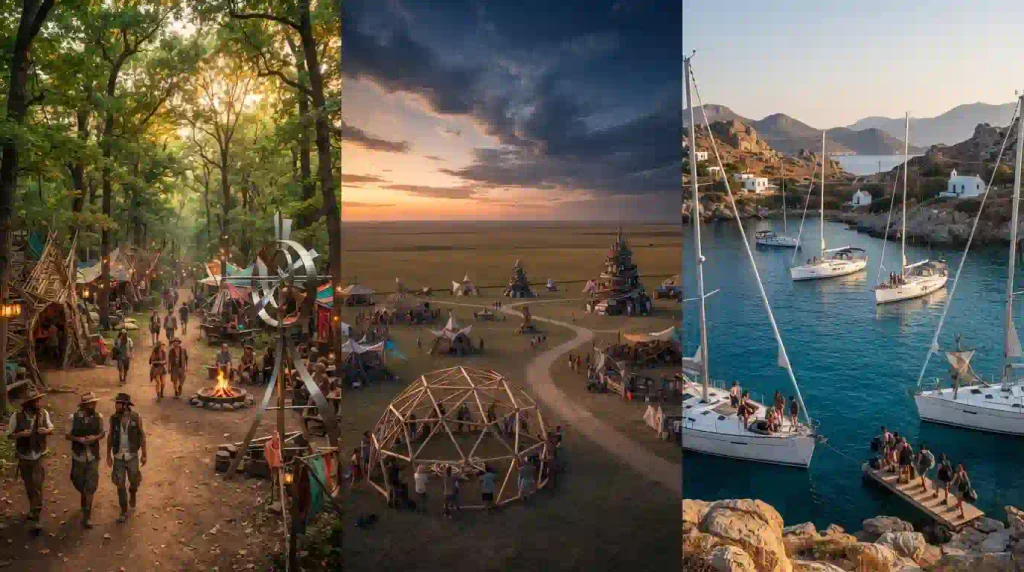
Understanding the stage of an event matters. A decompression day requires recovery, reflection and travel awareness. A final day requires cleanup, camp coordination and responsible departure. An upcoming event requires preparation, realistic packing and thoughtful planning.
Pyraegea: Why Decompression Is Part of the Burn Experience
Decompression is a bridge between the intensity of a Burner gathering and ordinary life. It allows participants to move slowly after a socially and emotionally rich experience. For Pyraegea participants, this may also include practical logistics such as returning from sailing routes, managing luggage, navigating ferry schedules or waiting for flights.

The healthiest decompression plans include both rest and connection. You do not need to process every moment immediately. A simple meal, a shower, a safe place to sleep and a conversation with trusted friends can be more valuable than rushing straight into another busy schedule.
Pyraegea: Landburn & Decompression Begins
Pyraegea’s sailing experience does not simply end when the yachts return to land. From Sunday, September 20 and onwards, the community moves into its land-based Decompression phase, where participants can slow down, reconnect and continue the experience away from the boats.
After the sailing week, the Pyraegea community gathers on land for several days of decompression, expected to continue approximately September 19–22. The event describes this stage as Landburn / Decompression, with its own community-organised approach to accommodation, transport, activities and shared time on land.
Instead of treating September 20 as a departure day, participants can use this period to rest after the sailing experience, enjoy relaxed community activities, reconnect with fellow participants and gradually transition back to everyday life.
What Happens During Pyraegea Decompression?
The decompression period is designed around fun, games and relaxation at the decompression location. It provides a slower land-based chapter after the sailing week, allowing participants to spend additional time together without the movement and logistics of the yacht journey.
Accommodation and transport are organised around the decompression location, so participants should check the current Pyraegea instructions for the latest information before making their plans.
For Burners who have just completed the sailing week, this is also an important reminder that decompression is part of the experience. There is no need to rush immediately from the sea back into ordinary routines. Rest, reconnect, hydrate and give yourself time to process the experience.
Pyraegea on September 20: the sailing chapter is giving way to Landburn / Decompression — a few more days of community, relaxation and connection on land.
Healthy decompression practices:
- Sleep before making major plans or long travel decisions.
- Eat nourishing food after event meals and snacks.
- Drink water regularly, especially after sun and travel exposure.
- Make time for quiet, not only social activity.
- Sort your belongings before returning home.
- Write down meaningful memories, lessons or ideas.
- Give yourself permission to feel emotional, tired or reflective.“Decompression is where the experience settles into memory, gratitude and future intention.”
Final-day checklist:
Learn how to recover after a Burner gathering.
Resonance: Final-Day Participation, Community and Cleanup
Final-day participation does not always mean attending one more performance or activity. It can mean showing up for your camp and your neighbours. In Burner culture, a cleanup shift, a shared meal, a repair task or an offer of water can be as meaningful as any scheduled event.
Resonance participants can make the final day smoother by dividing tasks clearly. Avoid having everyone pack their own belongings at the same time while shared spaces remain uncleaned. Instead, assign practical roles so your camp can work as one team.
Resonance, Kansas: Final Scheduled Day
Resonance 2026 runs in Kansas from September 17–20, with the event’s own newsletter specifying an end time of September 20 at noon. Its 2026 theme is “Everything Is Relative,” while the announced temple is The Temple of Collective Care.
Final-Day Rituals at Resonance: Gratitude, Reflection & Connection
September 20 marks the final scheduled day of Resonance, bringing the temporary Kansas community toward its closing moment. The event’s organizers describe Resonance as a participatory community built around art, self-expression, participation and connection rather than simply attending as a spectator.
The theme “Everything Is Relative” offers a natural way to think about the final day: the smallest interaction, unexpected conversation or shared act of participation can become part of a much larger experience.
Resonance’s organizers have also described The Temple of Collective Care as a symbol of how community supports its members. That makes the final hours a natural opportunity for gratitude, reflection and practical care for one another.
We have not found an official published schedule establishing a specific September 20 closing ritual, so participants should not assume that a particular ceremony, burn or farewell gathering is officially programmed. Instead, follow the latest instructions from Resonance organizers on site.
Meaningful Final-Day Rituals
A closing ritual does not have to be elaborate. It can be a shared breakfast with your camp, a quiet moment at the Temple, thanking someone who helped you during the event, or simply helping another participant finish packing.
Before leaving Resonance, consider:
- Share one memorable moment or lesson with your camp.
- Thank volunteers, artists, Rangers, campmates and neighbours.
- Make time for a final quiet moment of reflection.
- Help another participant with packing or cleanup if they need assistance.
- Walk your camp perimeter and collect remaining MOOP.
- Check that all personal belongings and camping equipment are packed.
- Leave the site according to the organizers’ departure instructions.
- Eat, hydrate and rest before driving.
- Carry one idea, connection or lesson from Resonance into everyday life.
At Resonance, the final moment can be another form of participation: caring for the people around you, caring for the place you shared and making the transition home with intention.
From Resonance to Decompression
The end of the scheduled event is not necessarily the end of the emotional experience. Decompression can begin before the journey home: slow down, reconnect with your campmates, process what you experienced and avoid treating the drive home as something to rush through.
For first-time Burners especially, the return to ordinary routines can feel very different from life inside a temporary community. Give yourself space to rest, hydrate, reflect and reconnect before immediately filling the next day with normal responsibilities.
Simple final-day camp roles:
- Camp lead: Confirms the plan and organizer updates.
- Kitchen closer: Cleans food storage, cookware and shared surfaces.
- Shelter team: Takes down tents, shade and shared structures.
- MOOP team: Checks the full camp footprint for debris.
- Vehicle lead: Organizes cargo, safety checks and route planning.
- Wellness checker: Makes sure everyone has water, food and a safe travel plan.
Use a practical camp-breakdown system.
B.U.R.N. Burn: Leave No Trace and Responsible Departure
Responsible departure is a final act of participation. When a camp leaves no trace, it protects the venue, supports organizers, respects future events and demonstrates that Burner culture can be trusted in real-world communities.
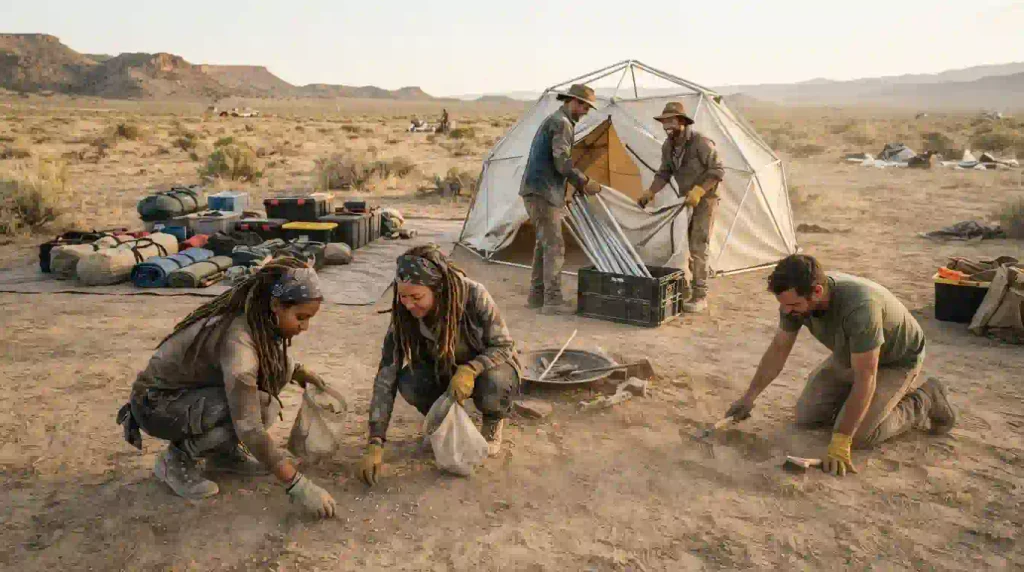
The easiest way to miss MOOP is to rush. Slow down enough to inspect every area carefully. Walk your campsite in lines, looking at the ground from different angles. Ask one person who did not set up a particular area to inspect it, because fresh eyes notice what the original camp builder may overlook.
B.U.R.N. Burn, Illinois: Final-Day Closing & Departure
B.U.R.N. Burn is listed by the Burning Man Project for September 16–20, 2026, at Camp Tuckabatchee in Ottawa, Illinois, although the official listing currently marks these dates as tentative. September 20 is therefore the listed final day for participants currently attending the event.
Final-Day Closing: Gratitude, Community & Responsible Departure
The final day of a Regional Burn is not simply the moment when the music stops. It is the transition from a temporary community back to everyday life. For B.U.R.N. participants, the closing period can be a chance to thank campmates and volunteers, complete the final cleanup and help leave the temporary community space ready for its next use.
Rather than assuming a specific closing ceremony, participants should follow the latest instructions from B.U.R.N. organizers for any scheduled gathering, art activity, departure procedure or site requirement.
Before leaving, walk through your camp one more time. Check for small pieces of waste, forgotten equipment and anything that could have been missed during packing. Help a neighbour if they need an extra pair of hands, secure your belongings for the journey and make sure everyone in your group is ready for a safe departure.
The most meaningful final-day ritual can be simple: thank the people who helped create the experience, care for the land and carry one useful lesson from the Burn back into ordinary life.
Final-day checklist:
- Thank your campmates, neighbours, volunteers and artists.
- Complete a careful MOOP sweep around your entire camp.
- Check tents, shade structures, vehicles and storage areas for forgotten items.
- Pack reusable equipment separately so nothing is accidentally discarded.
- Hydrate, eat and rest before beginning a long drive.
- Confirm that every member of your group has their belongings and transport arranged.
- Follow all organizer instructions regarding departure and site restoration.
- Leave the site clean rather than assuming someone else will handle the final sweep.
A Regional Burn does not really end when you leave the gate. Its final act is how you care for the people, place and experience you are leaving behind.
Common final-day MOOP people miss:
- Tent-stake bags and broken stakes.
- Food wrappers under chairs or coolers.
- Zip-tie ends from signs and shade structures.
- Glitter, sequins, feathers and costume pieces.
- Tape fragments on the ground or trees.
- Bottle caps, cigarette ends and small plastic pieces.
- Cables, batteries and broken lights.
- Rope, bungee cords and loose decorations.
Make your camp’s final sweep more effective.
Weather Updates and Travel Conditions for Burners
Weather and travel conditions can change fast, especially when people are packing camp, driving long distances, travelling between islands or preparing for a new event. The best approach is not to rely on one forecast checked days ago. Check current local conditions immediately before departure, and adjust your plan if needed.
Weather awareness is part of Radical Self-reliance. It does not mean predicting every problem. It means having enough information, supplies and flexibility to respond safely when conditions change.
Check Local Weather Before You Pack Up or Depart
Before taking down tents, tarps, shade structures or camp art, check the latest weather forecast for the exact event location. A nearby city forecast may not reflect wind, rain, temperature or storm conditions at the site itself.
If strong wind, rain, storms or extreme heat are expected, change your camp-strike plan. Pack delicate items first, secure loose gear, keep waterproof layers accessible and avoid rushing into unsafe conditions.
Weather checks to make before departure:
- Current temperature and expected overnight low.
- Wind speed and gust warnings.
- Rain and thunderstorm probability.
- Heat advisories and hydration needs.
- Flooding or road-condition alerts.
- Visibility for long-distance driving.
- Local emergency notices.
- Changes to organizer guidance.
Build a weather-ready Burner packing system.
Travel, Road, Ferry and Flight Checks After a Regional Burn
Travel is often the most tiring part of a Regional Burn. You may be dusty, emotionally full, short on sleep or carrying more gear than usual. That is why travel planning should begin before you pack the final bag.
For road travel, check your route, fuel level, tire condition, vehicle lights and cargo security. For flights and ferry travel, reconfirm your booking, baggage needs, departure time and possible delays. For any journey, keep important documents, medication, water and chargers easily accessible.
Travel readiness checklist:
- Confirm your route and save offline navigation.
- Check fuel, tires, lights and windshield fluid.
- Secure cargo with straps or netting.
- Keep water, snacks and medication within reach.
- Charge your phone and bring a power bank.
- Confirm ferry, flight or bus timing.
- Share your travel plan with a trusted person.
- Plan rest breaks before you become too tired.
Travel home from a Burn more safely.
What to Do If Weather Delays Your Departure
A weather delay can feel frustrating, but leaving later may be safer than trying to force a departure in difficult conditions. If you need to wait, focus on basic needs first: shelter, warmth, hydration, food and communication.
Do not assume that other people’s travel decisions are right for you. Conditions, vehicles, energy levels and routes differ. Use current information and make a calm decision based on your own safety.
If your departure is delayed:
- Tell campmates or travel partners about the change.
- Check whether your campsite remains secure.
- Keep essential gear accessible, not packed deep in your vehicle.
- Eat and hydrate before driving later.
- Charge devices while power is available.
- Check official updates again before leaving.
- Rest if fatigue is part of the problem.
- Avoid driving in dangerous conditions just to stay on schedule.
Make a smarter plan when conditions change.
Final-Day Survival Essentials for Regional Burns
The final day of a Burn can test even experienced participants. Energy is lower, camps are crowded with bags and boxes, and attention is divided between cleanup, social goodbyes and travel plans. A small, accessible essentials kit can make departure easier and safer.
Keep critical items separate from your main packing. If you have to wait, drive, fly or stay overnight unexpectedly, you should not need to unload your entire vehicle to find water, medication, a warm layer or your identification.
Essential Gear for Packing Up Camp
Packing up becomes faster when each item has a place. Use durable bags, labelled containers and a simple loading order. Heavy gear should be low and secure. Frequently needed supplies should remain easy to reach.
Useful camp-strike gear:
- Work gloves.
- Rubbish bags and reusable storage bags.
- Headlamp or flashlight.
- Spare batteries or power bank.
- Zip ties and repair tape.
- Multitool or basic tool kit.
- Broom, dustpan or small rake.
- Rope, straps and bungee cords.
- Waterproof storage bags.
- Labels or markers for bins and boxes.
Organize your Burn gear before the next event.
Hydration, Food and Recovery Essentials
Do not wait until you are already exhausted to eat or drink. Packing camp is physical work, and travel requires focus. Keep water and simple food available until you are fully settled at your next destination.
Choose foods that are easy to eat and digest during travel. A mix of carbohydrates, protein, fruit and salty snacks can help maintain energy without needing a full kitchen setup.
Final-day food and hydration kit:
- Drinking water.
- Electrolyte tablets or mix.
- Fruit or easy-to-carry vegetables.
- Protein bars, nuts or trail mix.
- Sandwiches or prepared meals.
- Salty snacks.
- Reusable utensils.
- Cooler with ice packs, if needed.
- Any essential medication.
Build a better food and hydration plan.
Vehicle, Navigation and Road-Trip Essentials
A packed vehicle should still be safe to drive. Loose equipment can become dangerous during sudden braking, wind or turns. Take time to secure cargo, check visibility and confirm that nothing blocks mirrors, lights or licence plates.
Navigation also matters. Cell service can be inconsistent near rural event sites. Download maps before leaving, write down key directions and know where you can stop for fuel, food and rest.
Vehicle departure checklist:
- Secure all cargo with straps or nets.
- Check tire pressure and fuel level.
- Make sure mirrors and windows are clear.
- Test headlights, brake lights and indicators.
- Keep ID, keys and documents accessible.
- Download offline maps.
- Bring a car charger and power bank.
- Store water and snacks within reach.
- Plan rest stops.
- Do not exceed vehicle or trailer capacity.
Prepare for a safe post-Burn drive.
What Not to Forget Before Leaving
The most commonly forgotten things are often the smallest or most important: keys, medication, documents, chargers, tent stakes, camp signs and personal items tucked into side pockets. Use a final “last look” routine before your vehicle moves.
Five-minute final check:
- Walk through the empty camp space one last time.
- Look under every vehicle, tent and tarp.
- Check pockets, coolers, charging areas and camp storage.
- Confirm every person has their essentials.
- Check that keys, documents and travel plans are ready.
Avoid last-minute departure mistakes.
Leave No Trace Departure Checklist
Leave No Trace is not a decorative phrase for Burner culture. It is a practical responsibility. Every camp, participant and volunteer contributes to whether a site can host future gatherings. Cleaning up carefully protects land, reduces pressure on organizers and respects the communities that welcome events.
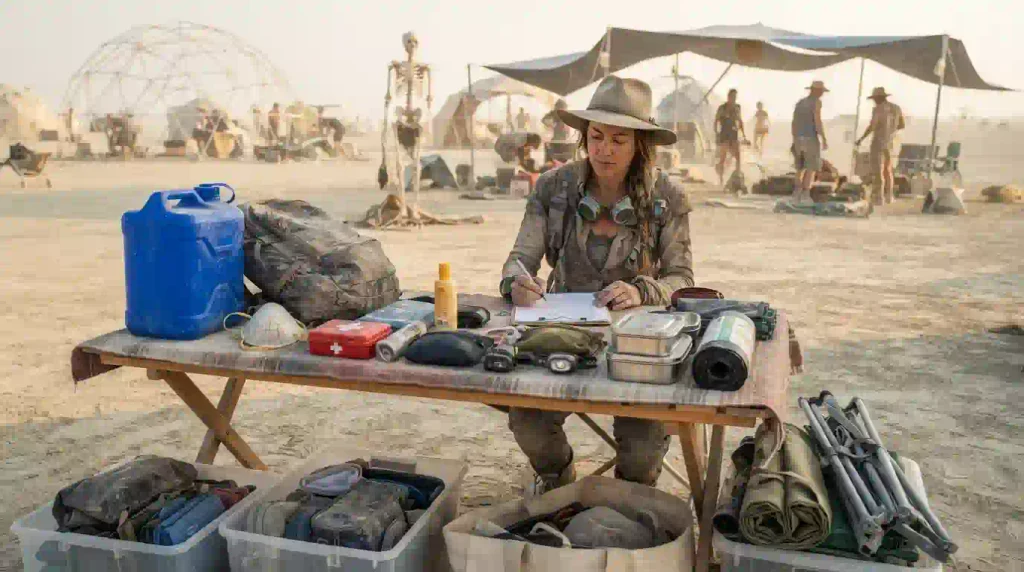
A proper camp sweep takes time. Plan for it. The best MOOP checks happen before exhaustion becomes overwhelming and before darkness makes small debris harder to see.
How to Do a Proper MOOP Sweep
A MOOP sweep is most effective when it is systematic. Do not just glance around your camp. Divide the area into sections, walk slowly and inspect the ground from multiple angles.
Step-by-step MOOP sweep method:
- Remove all large gear first.
- Start at one edge of your camp.
- Walk in straight lines across the full space.
- Pick up every visible item, even tiny fragments.
- Check under tents, tarps, vehicles and furniture.
- Inspect kitchen areas and high-traffic paths.
- Ask another person to do a final fresh-eye sweep.
- Bag all debris and pack it out correctly.
Learn a more detailed cleanup system.
Camp Strike Checklist Before You Leave
Camp strike is easier when you pack in reverse order from how you built your space. Remove decorations and loose items first. Then take down furniture, shade structures, tents and larger equipment. Keep one shelter option available until the end if weather conditions require it.
Camp strike checklist:
- Remove personal items from tents and shared areas.
- Take down decorations and signage.
- Pack lighting, cables and batteries.
- Clean kitchen and food-storage areas.
- Empty coolers and pack food safely.
- Dismantle shade structures carefully.
- Remove tent stakes and ropes.
- Check for damaged or broken gear.
- Sweep the full campsite for MOOP.
- Load the vehicle in a stable, secure order.
Use a complete camp breakdown plan.
Vehicle and Trailer Safety Checklist
A clean campsite is only half the job. Your vehicle must also be ready for the journey. Check weight distribution, tiedown points, tyre condition and visibility before leaving.
Vehicle and trailer safety essentials:
- Do not overload the roof or trailer.
- Distribute heavy items low and evenly.
- Secure all loose containers.
- Check trailer lights and connections.
- Verify tire pressure and spare tire condition.
- Keep emergency supplies accessible.
- Ensure mirrors, licence plates and lights are visible.
- Stop after the first part of your journey to recheck straps.
Make your loaded vehicle safer.
How to Support Neighbouring Camps Before Departure
Help can be one of the most meaningful gifts on a final day. But support works best when it is specific and respectful. Ask what a neighboring camp needs rather than assuming.
Useful ways to help another camp:
- Offer a rubbish bag or spare gloves.
- Help with a final MOOP sweep.
- Lend a tool for a quick repair or dismantling task.
- Share water or snacks with someone packing in the heat.
- Help a first-time Burner understand cleanup expectations.
- Offer a calm second pair of eyes for vehicle loading.
- Thank volunteers and organizers when appropriate.
Discover practical ways to participate beyond art.
First-Time Burner Advice for the Final Day
For first-time Burners, the final day can feel confusing because there is so much happening at once. People are saying goodbye, camps are disappearing, vehicles are filling up and organizer announcements may be changing. The simplest solution is to slow down, follow your camp’s plan and prioritize safety over speed.
You do not need to know everything. Ask clear questions, take one task at a time and focus on leaving responsibly.
What First-Time Burners Should Do Before Leaving
First-time Burners should start with three priorities: personal essentials, camp responsibilities and safe travel. Make sure you know where your keys, ID, medication, water and food are before helping with other tasks.
Then ask your camp what needs to happen before anyone leaves. Your role may be cleaning, packing, sweeping, loading or simply making sure someone has water and snacks.
First-timer final-day priorities:
- Pack your personal essentials early.
- Ask your camp for your assigned task.
- Complete a thorough cleanup, not a rushed one.
- Check beneath your sleeping area and vehicle.
- Eat and drink before travelling.
- Confirm where you are going after the event.
- Ask for help if you are too tired, stressed or unsure.
- Never drive if you are not safe to do so.
Build confidence before your first Regional Burn.
Common First-Timer Departure Mistakes
Most first-timer mistakes are caused by rushing, not by lack of good intentions. Avoid trying to pack alone if you are part of a shared camp. Avoid disappearing before camp cleanup is complete. Avoid putting important items in random bags at the last minute.
Common mistakes to avoid:
- Leaving before your camp has completed cleanup.
- Forgetting to inspect under tents and tarps.
- Packing water, medicine or keys where you cannot reach them.
- Driving when exhausted.
- Trusting unverified rumours about exit routes or weather.
- Leaving rubbish for volunteers or organizers.
- Packing wet or dirty gear without separating it.
- Forgetting to say goodbye and thank your campmates.
Internal link CTA:
Avoid common beginner problems.
How to Ask for Help and Support Your Camp
Burner communities work best when people communicate directly. If you need help, ask early and clearly. If you have capacity to help others, offer a specific task rather than saying only, “Let me know if you need anything.”
Good questions include:
- “What needs to be done before the camp can leave?”
- “Would it help if I did a MOOP sweep?”
- “Where should I pack this shared item?”
- “Does anyone need water, food or a break?”
- “Is there anything under the tent or shade structure that still needs checking?”
Learn how to participate with confidence.
Post-Burn Recovery Tips for New Burners
The transition home can feel strange after a Burner gathering. You may feel physically tired, emotionally full, quiet, inspired or disconnected from daily routines. That response is normal. Recovery is part of the experience.
Simple post-Burn recovery plan:
- Drink water and eat nutritious food.
- Shower, wash clothing and air out gear.
- Sleep before returning to demanding work.
- Make a list of lost-and-found or repair tasks.
- Share gratitude with people who supported you.
- Write down what you learned for your next event.
- Give yourself time before judging the experience.
Recover with intention after your first event.
Returning Burner Advice and Smart Final-Day Hacks
Returning Burners bring valuable experience, but the most useful thing they can offer is not a lecture. It is calm, practical support. Experienced participants can help camps stay organized, help first-timers feel included and help prevent small final-day problems from becoming stressful ones.
The best returning Burner hacks are simple systems: labelled bins, role assignments, clean loading order, accessible water, backup lighting and enough time to do the job properly.
How Returning Burners Can Help First-Timers
First-timers often do not know what “normal” final-day chaos looks like. A returning Burner can make a major difference by explaining the plan clearly and giving newcomers useful, manageable tasks.
Helpful actions for returning Burners:
- Explain the camp’s departure plan early.
- Give first-timers one clear responsibility at a time.
- Show them how to do a proper MOOP sweep.
- Encourage them to rest and hydrate.
- Correct misinformation gently.
- Model respectful communication with neighbours and volunteers.
- Thank them for their contribution.
- Encourage them to share what they learned.
Help your camp become more welcoming.
Time-Saving Camp Breakdown and Packing Hacks
The fastest camp strike is usually the most organized one, not the one with the most people moving at once. Use a simple flow: personal belongings, decorations, kitchen, shared structures, ground sweep, vehicle loading and final inspection.
Smart packing hacks:
- Use labelled bins for kitchen, lighting, shelter and costumes.
- Keep one “first access” bag for water, snacks, layers and documents.
- Photograph cable setups before dismantling them.
- Put tent stakes and ropes into one clearly marked bag.
- Use separate bags for clean gear, wet gear and rubbish.
- Load heavy items first and low.
- Keep one lane open for walking and loading.
- Set a final camp-inspection time before anyone drives away.
How to Build a Better MOOP and Repair Kit
A compact MOOP and repair kit can solve small problems throughout an event and make final cleanup easier. Keep it in an obvious place so everyone in camp knows where it is.
Basic MOOP and repair kit:
- Work gloves.
- Rubbish bags.
- Small rake or brush.
- Dustpan.
- Tape suitable for repairs.
- Zip ties.
- Scissors.
- Multitool.
- Spare batteries.
- Headlamp.
- Marker pen.
- Small storage bags for tiny debris.
Planning a Healthy Decompression After the Burn
Returning Burners can set the tone for healthy decompression. Instead of treating recovery as an afterthought, plan it like you plan your packing list. Decide where you will sleep, what you will eat, when you will unpack and how you will re-enter normal responsibilities.
Post-Burn decompression planning:
- Keep the day after travel as light as possible.
- Prepare easy meals before leaving for the event.
- Schedule laundry and gear cleaning.
- Check in with friends after the event.
- Avoid making big decisions when deeply tired.
- Reflect on what worked and what you will improve next time.
- Consider volunteering or joining local Burner community activities.
Create a more sustainable Burner routine.
Real-World Case Study: A Safer Final-Day Departure
Final-day problems are rarely caused by one dramatic mistake. More often, they come from small decisions: rushing, failing to assign tasks, skipping a final cleanup sweep or starting a long drive without rest. This illustrative case study shows how a camp can turn a stressful situation into a safer departure.
Illustrative scenario: This example is based on common final-day Regional Burn experiences. It is designed to show practical lessons, not to describe one specific reported event.
The Challenge: A Camp Running Behind Schedule
A six-person camp planned to leave shortly after breakfast. But packing took longer than expected. The kitchen still needed cleaning, two tents remained standing and several people had already placed personal bags in the vehicle. The group also discovered small bits of tape, food packaging and zip-tie ends beneath their shade structure.
The camp had a choice: rush, leave debris behind and begin driving tired, or pause and reset the plan.
The Solution: Divide Cleanup, Packing and Travel Tasks
The group assigned simple roles. Two people completed a detailed MOOP sweep. Two people cleaned and packed the kitchen. One person secured vehicle cargo and checked the route. One person prepared water, snacks and a travel bag for everyone.
They agreed that no vehicle would leave until the shared space was clean and each person had eaten, hydrated and confirmed their travel plan.
Why the plan worked:
- Every task had an owner.
- No one was trying to do everything.
- Cleanup happened before people disappeared into personal packing.
- Essentials stayed accessible.
- The group accepted a later departure rather than taking unnecessary risks.
The Result: A Safer and Cleaner Departure
The camp left later than planned, but it left with a clean footprint, secured cargo and a calmer group. The final MOOP sweep caught debris that would likely have been missed during a rushed departure. No one drove while overly tired, and everyone had water and food available for the journey.
The key lesson is simple: leaving late is often better than leaving carelessly.
What Other Burners Can Learn
A final-day buffer is not wasted time. It is a safety tool. Add at least two extra hours to your expected camp-strike and departure schedule. Use that time for cleanup, food, hydration, rest, travel checks and helping campmates.
Build a safer departure plan before your next event.
Upcoming Burning Man Regional Events After September 20
Today’s final-day activity leads directly into the next part of the Regional calendar. Granite Burn and Hearths O’Phyre begin on September 24, followed by Toronto’s Time TO Burn Decompression on September 26. For readers planning ahead, now is the time to check packing, travel, tickets, camp plans and weather readiness.
The best preparation is gradual. Do not wait until the night before departure to test gear or buy essentials. Use the days before an event to create a calm, practical plan.
Granite Burn – Mythbehavin: September 24–28, 2026
Granite Burn – Mythbehavin is the next major Regional Burn on the calendar. Participants should focus on practical preparation: weather-ready clothing, tent and shade checks, lighting, food, hydration and transport planning.
What to do before Granite Burn:
- Test your tent and sleeping gear.
- Pack layers for variable temperatures.
- Review your food and water plan.
- Organize shared camp supplies.
- Check your vehicle before travelling.
- Build a compact first-aid and repair kit.
- Prepare a Leave No Trace plan from the start.
- Decide how you will participate or contribute.
Start planning your Granite Burn experience.
Hearths O’Phyre: September 24–27, 2026
Hearths O’Phyre gives Burners an opportunity to bring creativity, participation and community spirit into a late-September Iowa gathering. The best way to prepare is to build your event plan around self-reliance first, then add theme, gifts, art and personal expression.
What to do before Hearths O’Phyre:
- Confirm your tickets and travel plan.
- Check camp coordination messages.
- Prepare for warm days and cooler evenings.
- Pack reusable food and hydration supplies.
- Bring lighting for night movement.
- Plan an easy gift, skill or participation idea.
- Pack a cleanup kit.
- Save important event information offline.
Get ready for your Iowa Burner experience.
Time TO Burn Toronto Decompression: September 26, 2026
Time TO Burn is an opportunity for Toronto-area Burners and curious newcomers to reconnect through art, music, participation and shared culture. Unlike an outdoor camping event, a city decompression requires lighter logistics but still benefits from thoughtful preparation and respectful participation.
How to prepare for Time TO Burn:
- Confirm venue timing and entry details.
- Plan your transport home before arriving.
- Wear something comfortable and expressive.
- Bring only what you can carry easily.
- Respect photo consent and personal boundaries.
- Support community art and volunteer efforts.
- Connect with local Burners after the event.
Explore what to expect at a Burner decompression.
How to Prepare for the Next Regional Burn
Every Regional Burn is different, but preparation follows the same foundation: understand the event, prepare for the environment, build a self-reliant packing system and arrive ready to contribute.
Universal Regional Burn preparation checklist:
- Read the official survival guide.
- Confirm tickets, dates and travel arrangements.
- Pack shelter, sleep gear, food, water and lighting.
- Check weather forecasts close to departure.
- Build a first-aid and repair kit.
- Make a camp plan.
- Bring cleanup supplies.
- Prepare a gift, skill, art piece or volunteer intention.
- Plan a safe journey home before you arrive.
Frequently Asked Questions About Regional Burns Today
This section answers the most common questions readers may ask while searching for current Regional Burn information, final-day guidance and upcoming events.
Which Burning Man Regional Burns Are Happening on September 20, 2026?
On September 20, 2026, Pyraegea in Greece is moving into decompression, while Resonance in Kansas and B.U.R.N. Burn in Illinois are on their final scheduled day. Granite Burn in New Hampshire and Hearths O’Phyre in Iowa begin next on September 24.
See all current and upcoming events.
Is Pyraegea Still Happening on September 20?
Pyraegea’s main gathering has concluded, but the experience continues into decompression. September 20 is best understood as a transition day for rest, community connection, travel planning and reflection rather than a standard main-event day.
Understand post-event decompression.
Read the Pyraegea Guide
Is Resonance Happening Today?
Yes. Resonance is on its final scheduled day on September 20. Participants should balance final-day participation with camp cleanup, hydration, safe travel planning and Leave No Trace responsibilities.
Prepare for a responsible final day.
Is B.U.R.N. Burn Happening Today?
Yes. B.U.R.N. Burn is on its final scheduled day on September 20. The most important priorities are camp strike, MOOP removal, vehicle safety, organizer guidance and avoiding tired or unsafe driving.
Make your departure safer and cleaner.
Which Regional Burns Start Next?
The next listed Regional Burns begin on September 24: Granite Burn – Mythbehavin in New Hampshire and Hearths O’Phyre in Iowa. Toronto’s Time TO Burn Decompression follows on September 26.
Plan your next Burner gathering.
Explore Upcoming Regional Burns
What Should I Do Before Leaving a Regional Burn?
Before leaving, complete a full MOOP sweep, pack out all rubbish, secure camp equipment, check your vehicle, hydrate, eat, rest and confirm organizer departure guidance. Do not begin a long drive if you are tired, impaired or unprepared.
What Should First-Time Burners Bring to a Regional Burn?
First-time Burners should prioritize water, food, shelter, sleep gear, weather-appropriate clothing, lighting, hygiene supplies, first-aid items, cleanup tools, identification, chargers and a safe travel plan. Creative costumes and gifts are valuable additions, but core survival needs come first.
Pack correctly for your first event.
Where Can I Find Official Regional Burn Updates?
Use the official event website, organizer communication channels and the Burning Man Regional Network calendar for the most reliable schedule, travel, safety and participation updates. Check these sources again close to arrival and departure because conditions and plans can change.
Final Words: Leave Well, Rest Well and Burn On
September 20, 2026 shows the full rhythm of the Burning Man Regional Network. Pyraegea moves into decompression in Greece. Resonance and B.U.R.N. Burn reach their final scheduled day in the United States. Granite Burn and Hearths O’Phyre are only days away, while Toronto prepares for its upcoming decompression gathering.
Wherever you are in that cycle, the same values matter. Be prepared. Support your camp. Check on your friends. Follow organizer guidance. Travel safely. Pick up every piece of MOOP. Give yourself time to rest and recover.
A Burn does not end when the music stops or the tents come down. It continues in the way we leave, the way we care for one another and the way we bring participation, generosity and responsibility back into everyday life.
Stay prepared for the next Regional Burn, decompression event or Burner travel day.


One Comment