Burning Man Regional Burns Today: September 18, 2026 — Illinois, Greece, Survival Guide and Essential Tips
Burning Man culture is not limited to Black Rock City. Around the world, local communities create Regional Burns where participants build art, share skills, express themselves, volunteer, camp together and practice the Ten Principles in their own environments.
Today, September 18, two very different Regional Burn experiences deserve attention: B.U.R.N. Burn in Illinois and Pyraegea in Greece. One takes place in a woodland campground near Ottawa, Illinois; the other unfolds through a sailing and marina experience in Greece.
This guide combines today’s event update with practical advice for first-time and returning Burners. It explains what participants should verify, how the Ten Principles appear in real life, what to pack, how to prepare for changing weather and why every Regional Burn requires a different survival strategy.
Always confirm final schedules, access instructions, weather alerts and safety rules with the event organizers before traveling or participating.
Regional Burns Happening Today
Regional Burns bring Burning Man’s creative culture into local communities. Although every event has its own personality, participants commonly contribute through art, workshops, volunteer work, theme camps, performances, shared meals and environmental responsibility.
The two events below offer different examples of how Burning Man culture adapts to local surroundings.
B.U.R.N. Burn 2026: Illinois
B.U.R.N. Burn is the Chicago Regional Burn connected with the Bold Urban Renaissance Network. The event is scheduled for September 16–20, 2026, at Camp Tuckabatchee near Ottawa, Illinois.
The event’s campground setting creates a different atmosphere from Black Rock City. Instead of an immense desert city, participants experience a more enclosed environment shaped by woodland, campsites, paths, weather changes and shared outdoor facilities.
What B.U.R.N. Burn represents
B.U.R.N. Burn is designed around community participation rather than passive attendance. Participants may contribute through:
- Theme camps.
- Interactive art.
- Workshops.
- Music and performance.
- Volunteer projects.
- Shared meals.
- Camp infrastructure.
- Cleanup and environmental work.
- Social and educational activities.
The exact programme may change because participant-created events often depend on weather, volunteer availability, site conditions and organizer decisions.
What participants should verify today
Before joining an activity, check:
- Current event announcements.
- Gate and access instructions.
- Weather-related changes.
- Workshop locations.
- Fire-art permissions.
- Emergency information.
- Quiet hours and sound rules.
- Parking and vehicle restrictions.
- Water and toilet arrangements.
- Camp-specific notices.
Pyraegea 2026: Greece
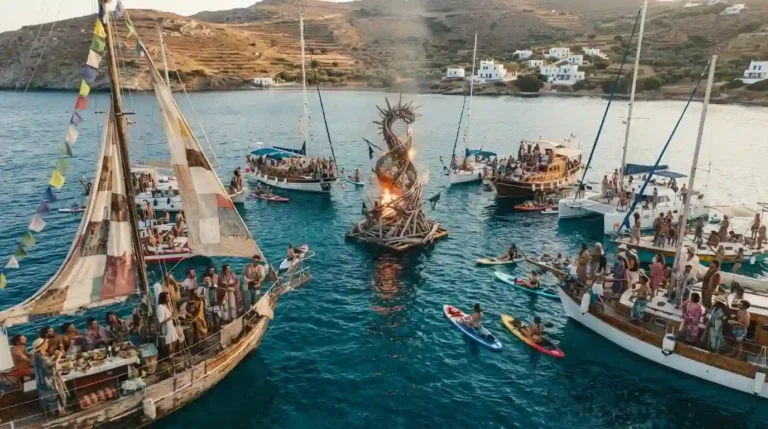
Pyraegea is a non-commercial sailing event inspired by Burning Man and shaped by the Ten Principles. Its experience is built around boats, shared sailing, island environments, marina life and participant cooperation.
This makes Pyraegea fundamentally different from a land-based camping Burn. Participants must think not only about costumes, art and social connection but also about boat safety, sun exposure, wind, water, storage space and return instructions.
Friday, September 18: Back to Base
Friday’s “Back to Base” stage is especially important for participants using rental yachts.
The practical meaning is:
- Rental-yacht participants return to base on Friday afternoon.
- Participants continue sleeping aboard their boats in the marina.
- The sailing portion of the experience moves into a base and marina phase.
- Participants must follow the event team’s instructions about return, docking and accommodation.
Pyraegea participant checklist
Before returning to base:
- Confirm your yacht’s return instructions.
- Check the expected return window.
- Secure passports, medication and electronics.
- Keep personal belongings organized.
- Follow the captain and crew.
- Allow extra time for docking and weather changes.
- Ask the event team about marina procedures.
- Do not rely on an unofficial timetable.
A sailing Burn requires flexibility. Wind, sea conditions, docking arrangements and boat logistics can affect the day’s plan.
Why Regional Burns Matter
Regional Burns allow Burning Man culture to grow beyond one location. They give people opportunities to participate close to home, meet local creative communities and develop events suited to their own landscapes and traditions.
Burning Man’s Regional Network now reaches dozens of countries and many locations across the United States. These communities organize gatherings, art projects, civic activities, workshops and cultural events throughout the year.
Regional Burns are not ordinary festivals
A commercial festival usually focuses on a programmed experience delivered to an audience. A Regional Burn depends more heavily on what participants contribute.
This difference can be seen in everyday situations:
- A guest may become a volunteer.
- A spectator may become an artist.
- A stranger may become a campmate.
- A consumer may become a gift-giver.
- A visitor may become responsible for cleanup.
- A scheduled activity may become a spontaneous collaboration.
The result is less predictable but often more personal.
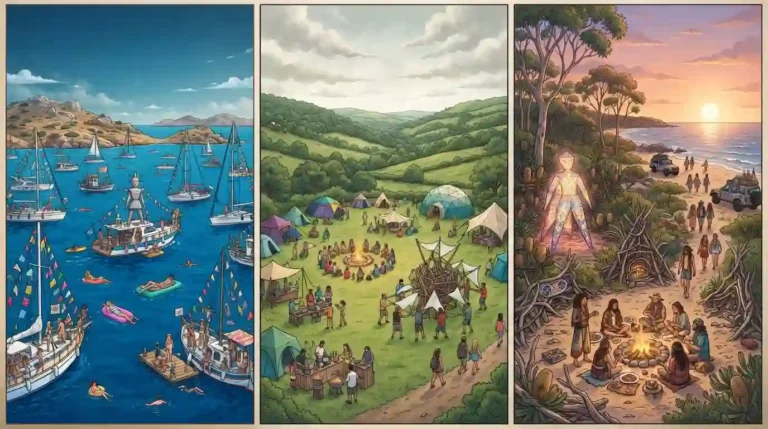
Different places create different Burn experiences
The Ten Principles may remain recognizable, but the practical experience changes with the environment.
| Location | Environmental character | Main preparation concerns |
|---|---|---|
| Illinois | Woodland campground | Rain, mud, insects, wet equipment and changing temperatures |
| Greece | Sailing and marina setting | Sun, hydration, wind, boat safety and marine conditions |
| Nevada | Remote desert and playa | Dust, heat, cold nights, high winds and water management |
A participant who prepares perfectly for Black Rock City may still be underprepared for a sailing event. Likewise, a person comfortable on a yacht may not be ready for dust storms or long desert distances.
Experiencing the Ten Principles
The Ten Principles are not merely words to memorize before attending a Burn. They become meaningful through everyday actions.
Radical Inclusion
Radical Inclusion means welcoming people into the community while respecting safety, consent, capacity and local rules.
Practical example
You notice a newcomer standing alone near the camp entrance. Instead of assuming they understand the event, you:
- Introduce yourself.
- Explain how the camp works.
- Point out water and toilets.
- Tell them where to find announcements.
- Invite them to participate without pressuring them.
Inclusion does not mean ignoring boundaries. It means making people feel respected and able to participate.
Gifting
Gifting is the practice of offering something without expecting an equivalent return.
A gift may be:
- A cold drink.
- A repair skill.
- A meal.
- A song.
- A handmade object.
- A conversation.
- Help carrying equipment.
- Time spent on cleanup.
Practical example
At an Illinois campground, another participant’s shelter becomes unstable during wind. You help secure the structure, lend cord and share a dry tarp without expecting payment.
At a marina, gifting may mean helping a tired sailor carry supplies or sharing useful local information.
Decommodification
Decommodification encourages participants to experience the event outside ordinary advertising and commercial expectations.
This does not mean that every Regional Burn has identical commercial rules. It means participants should understand the event’s culture and not treat it as a shopping venue.
Practical example
Instead of expecting a vendor to solve every problem, you bring:
- Your own water.
- Your own snacks.
- Your own lighting.
- Your own weather protection.
- Your own medication.
Always follow the specific event’s rules concerning food, drinks, merchandise and services.
Radical Self-Reliance
Radical Self-Reliance means preparing for your own needs and taking responsibility for your comfort and safety.
Practical example
You do not wait until the rain begins to discover that your shelter leaks. Before leaving camp, you:
- Check the weather.
- Carry a waterproof layer.
- Protect your phone.
- Take water.
- Bring a headlamp.
- Keep medication with you.
- Tell your campmates where you are going.
Self-reliance does not mean refusing help. It means being prepared enough to help yourself and contribute to others.
Radical Self-Expression
Participants express themselves through clothing, art, performance, movement, music, decoration and ideas.
Practical example
You create a small interactive art piece that invites people to write one thing they are grateful for. You make sure it is safely installed, does not obstruct pathways and respects the event’s rules.
Self-expression should never be used as an excuse for harassment, unwanted contact, unsafe behavior or ignoring consent.
Communal Effort
Communal Effort recognizes that large creative experiences depend on cooperation.
Participants may contribute by:
- Building a camp.
- Preparing shared food.
- Installing an art project.
- Running a workshop.
- Managing sound equipment.
- Helping with transportation.
- Supporting registration.
- Cleaning common areas.
Practical example
A camp’s shade structure needs to be assembled. Instead of waiting for one experienced person to do everything, several participants share the work and learn the process.
Civic Responsibility
Civic Responsibility means respecting the location, local laws, permits, venue requirements and surrounding community.
Practical example
If an Illinois venue prohibits open flames in certain areas, participants follow the restriction even if they have attended Fires at other Burns.
At a sailing event, civic responsibility may involve respecting marina rules, navigation instructions, docking restrictions and the authority of the boat crew.
Leaving No Trace
Leaving No Trace means taking responsibility for everything you bring into the event environment.
This includes:
- Food packaging.
- Tent materials.
- Decorative items.
- Cable ties.
- Cigarette ends.
- Glitter.
- Broken equipment.
- Gray water.
- Small plastic fragments.
Practical example
Before leaving a campsite, participants walk slowly through the area, collect small pieces of waste and check beneath vehicles, tents and tables.
Leaving No Trace is not only a final-day task. It begins when you pack and continues throughout the event.
Participation
Participation means becoming part of the experience instead of remaining only an observer.
Practical example
You may participate by:
- Joining a workshop.
- Teaching a skill.
- Helping a stranger.
- Volunteering for a shift.
- Contributing art.
- Joining a cleanup.
- Supporting a campmate.
- Sharing a story or performance.
You do not need to build a giant art installation to participate. A small, sincere contribution still matters.
Immediacy
Immediacy encourages direct engagement with people and surroundings.
Practical example
Instead of watching every moment through your phone, you put the device away during a workshop, listen to the people around you and respond to what is happening directly.
Immediacy does not require abandoning technology completely. It encourages participants to avoid letting screens replace real experience.
First-Time Burner Advice
A first Regional Burn can feel confusing because it may not provide the same services as a conventional festival.
Do not arrive expecting a commercial festival
You may not find:
- Regular food vendors.
- Shops selling forgotten equipment.
- Hotel-style facilities.
- Continuous staff assistance.
- Clearly marked activities everywhere.
- A fixed programme that never changes.
Prepare to bring or arrange your own essentials.
What to do during your first 30 minutes
Follow this arrival routine:
- Complete check-in.
- Locate your camp or sleeping area.
- Find drinking water.
- Identify toilets.
- Locate first aid and emergency information.
- Check the latest announcement.
- Inspect your shelter.
- Secure your valuables.
- Introduce yourself to nearby participants.
- Ask how you can contribute.
This simple routine reduces confusion and helps you become part of the community quickly.
Ask before touching, photographing or joining
Consent matters in social spaces, performances, camps and intimate environments.
Use respectful questions such as:
- “May I take a photograph?”
- “Would you like help with that?”
- “Is this space open to visitors?”
- “May I join the workshop?”
- “Is it okay if I sit here?”
A friendly atmosphere does not remove the need for boundaries.
Advice for Returning Burners
Returning to a familiar event can create overconfidence. Conditions, rules and venues may change from one year to the next.
Never assume the event is unchanged
Recheck:
- Venue access.
- Camp layout.
- Gate instructions.
- Fire policies.
- Weather plans.
- Water arrangements.
- Vehicle restrictions.
- Emergency contacts.
- Quiet hours.
- Cleanup procedures.
Returning Burner preparation
Before departure:
- Read the latest organizer update.
- Check the forecast again.
- Replace damaged equipment.
- Charge lights and power banks.
- Review the route.
- Confirm your camp’s responsibilities.
- Pack for the actual location rather than your memory of it.
- Plan how you will leave the site clean.
Experience is valuable, but adaptability is more valuable.
Weather and Survival Guide
Weather can transform an enjoyable event into a serious safety situation. A clear morning does not guarantee a calm afternoon or comfortable night.
Illinois survival priorities
For B.U.R.N. Burn, prepare for:
- Rain.
- Mud.
- Wet tents.
- Insects.
- Temperature changes.
- Slippery paths.
- Wind through open areas.
- Damp clothing after dark.
Illinois weather kit
Carry:
- Waterproof footwear.
- Rain jacket or poncho.
- Dry socks.
- Warm evening layer.
- Waterproof bags.
- Tent repair supplies.
- Insect protection.
- Headlamp.
Greece survival priorities
For Pyraegea, focus on:
- Sun exposure.
- Dehydration.
- Wind.
- Boat movement.
- Marine conditions.
- Limited storage space.
- Return-to-base timing.
- Keeping documents dry.
Greece sailing kit
Carry:
- Refillable water bottle.
- Sunscreen.
- Hat.
- Sunglasses.
- Lightweight clothing.
- Motion-sickness supplies if needed.
- Waterproof document pouch.
- Personal medication.
- Phone protection.
- Non-slip footwear where appropriate.
Nevada survival priorities
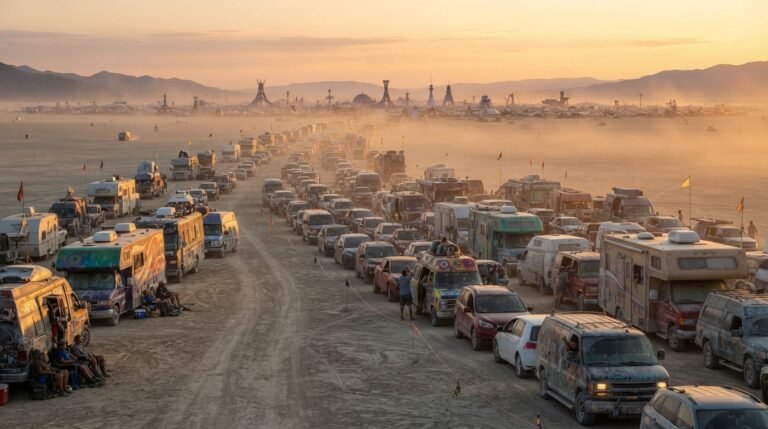
Black Rock City requires preparation for:
- Dust storms.
- Extreme heat.
- Cold nights.
- Strong wind.
- Long distances.
- Limited commercial services.
- Water and waste management.
For Black Rock City specifically, the commonly cited official guideline is 1.5 gallons of water per person per day for drinking, washing and cleaning. This figure should not automatically be treated as the requirement for Illinois or Greece.
Survival Hacks You Can Use Today
Hydration hack
- Carry water with you.
- Drink regularly.
- Keep your bottle accessible.
- Refill only at approved potable-water points.
- Do not depend on finding a shop or vendor.
- Pay special attention to hydration during sun, heat, dancing or sailing.
Camp security hack
Before leaving camp:
- Close bags.
- Secure food.
- Tie down loose fabric.
- Protect electronics.
- Store valuables out of sight.
- Check that lighting and cables are safe.
- Tell a trusted campmate where appropriate.
Weather-change hack
Keep these items close rather than buried in luggage:
- Water.
- Phone.
- Power bank.
- Medication.
- Warm layer.
- Rain protection.
- Headlamp.
- Identification.
- Emergency contact information.
Dust and wind hack
For desert events:
- Carry goggles.
- Use a dust mask.
- Secure structures.
- Protect cameras and phones.
- Seek shelter during a whiteout.
- Stop driving when visibility becomes unsafe.
Night safety hack
- Use a headlamp.
- Add lights to bicycles where allowed.
- Wear visible clothing.
- Stay aware of vehicles and structures.
- Avoid entering unfamiliar areas alone.
- Follow event lighting and road rules.
Burner Essentials Checklist
Personal packing list
- Water bottle.
- Food and snacks.
- Weather-appropriate clothes.
- Comfortable footwear.
- Sunscreen.
- Sunglasses.
- Hat.
- Personal medication.
- Basic first-aid supplies.
- Phone.
- Power bank.
- Headlamp.
- Identification.
- Emergency contacts.
- Ear protection.
- Small MOOP bag.
Camp packing list
- Tent or approved shelter.
- Sleeping bag or bedding.
- Stakes and cord.
- Lighting.
- Food-storage containers.
- Drinking water.
- Trash and MOOP bags.
- Rain protection.
- Warm layers.
- Repair tape and basic tools.
- First-aid kit.
- Hygiene supplies.
- Waterproof storage bags.
Leave No Trace list
- Pack out all waste.
- Secure small objects.
- Collect cable ties and tape.
- Remove decorations.
- Manage gray water properly.
- Do not leave food behind.
- Check beneath tents and vehicles.
- Walk the entire campsite before departure.
- Help your campmates complete cleanup.
What First-Time Burners Usually Forget
First-time participants often prepare for the visual experience but overlook the practical environment.
Commonly forgotten items include:
- Water carried while exploring.
- Warm clothing for evening.
- Rain protection.
- Comfortable shoes.
- Headlamps.
- Medication.
- Phone charging.
- Small repair supplies.
- Waste bags.
- Personal identification.
- A plan for returning to camp.
They may also forget that participation includes responsibility. A participant does not simply enjoy the site and leave the cleanup to someone else.
What Returning Burners Often Forget
Returning participants sometimes forget to update their assumptions.
Before attending, check:
- Whether the venue changed.
- Whether the camping layout changed.
- Whether fire rules changed.
- Whether weather is different from last year.
- Whether water is available.
- Whether vehicles are restricted.
- Whether your camp still provides the same services.
- Whether departure instructions changed.
- Whether local authorities introduced new requirements.
A successful previous visit is useful experience, but it is not a guarantee that conditions will repeat.
September 18 Regional Burn Checklist
Use this quick checklist before leaving your tent, camp or boat:
- Check the latest official announcement.
- Look at the current weather.
- Carry water.
- Take identification.
- Carry medication.
- Charge your phone.
- Bring a power bank.
- Wear appropriate footwear.
- Carry weather protection.
- Secure your shelter.
- Know where first aid is located.
- Follow fire and site rules.
- Respect consent.
- Keep track of your belongings.
- Collect your MOOP.
- Help leave the site clean.
Frequently Asked Questions
Which Regional Burns are happening on September 18, 2026?
This update focuses on B.U.R.N. Burn in Illinois and Pyraegea in Greece. Resonance in Kansas is another September regional gathering to verify through its official organizer before publication or travel.
What is B.U.R.N. Burn?
B.U.R.N. Burn is a Chicago-area Regional Burn associated with the Bold Urban Renaissance Network. The 2026 event is scheduled for September 16–20 at Camp Tuckabatchee near Ottawa, Illinois.
What is happening at B.U.R.N. Burn today?
The event is underway. Participants should check official announcements for current workshops, art activities, camp events, weather updates and safety information. Unconfirmed burn ceremonies or exact schedules should not be presented as official.
What is Pyraegea?
Pyraegea is a non-commercial Greek sailing event inspired by Burning Man and organized around the Ten Principles. Its experience takes place across boats, islands and marina environments.
What does “Back to Base” mean at Pyraegea?
It means rental-yacht participants return to base on Friday afternoon, September 18, while participants continue sleeping aboard boats in the marina. Exact instructions should be confirmed with the event team.
Do Regional Burns follow exactly the same rules as Black Rock City?
No. Regional Burns share cultural values but may have different venue rules, weather conditions, access arrangements, fire policies, camping systems and emergency procedures.
What should a first-time Regional Burner bring?
Bring water, food, shelter, appropriate clothing, comfortable shoes, medication, lighting, a phone or power bank, identification, first-aid supplies and Leave No Trace materials.
What should experienced Burners recheck?
Experienced Burners should recheck the event’s current dates, gate instructions, site address, forecast, fire policies, water arrangements, vehicle rules, emergency contacts and cleanup procedures.
What should I do if weather becomes dangerous?
Follow official instructions, move to appropriate shelter, secure yourself and your belongings, and stop traveling through unsafe conditions. At a sailing event, follow the captain and event safety team.
Is Leave No Trace required at Regional Burns?
Leave No Trace is a central part of Burning Man culture, but every Regional Burn may publish additional local environmental instructions. Remove all waste, materials and decorations you bring.
Are fire performances allowed at every Regional Burn?
No. Fire permissions depend on the event, venue, permits, local law, weather and safety plans. Follow current organizer instructions.
Can I attend without joining a theme camp?
That depends on the event’s camping and ticketing arrangements. Even when independent camping is allowed, participants should prepare their own essentials and contribute respectfully to the wider community.
Final Words: Burn Prepared, Participate Fully, Leave Nothing Behind
A Regional Burn is an invitation to do more than attend. It asks participants to prepare carefully, contribute generously, respect the environment and remain open to unexpected experiences.
The most useful mindset is simple:
- Prepare before you arrive.
- Bring what you genuinely need.
- Participate instead of only watching.
- Respect local rules.
- Adapt to the environment.
- Help others when you can.
- Leave the site better than you found it.
Whether you are camping in Illinois, returning to base in Greece or preparing for a future desert event, the spirit remains the same:
Prepare with care, participate with heart and leave nothing behind.
Follow BurningmanTV for practical Regional Burn guides, verified event updates, Burner checklists, travel information, culture stories and Burning Man coverage from around the world.
Button text:
[Follow BurningmanTV for Regional Burn Updates]

One Comment