
Burning Man Leaving & Post-Burn Guide 2026: Departure, Recovery & Returning Home
Leaving Black Rock City involves more than driving home — it’s a physical, emotional, and logistical transition that catches many first-timers off guard. This guide covers departure prep, post-event recovery, gear cleanup, and reintegration. Plan your exit with the same care as your arrival.
For many participants, the emotional weight of leaving Burning Man rivals the excitement of arriving. After a week of near-constant stimulation, community, and self-reliance in an environment unlike anywhere else, packing down a campsite, saying goodbye to camp mates, and merging back into ordinary traffic and routine can feel like an abrupt shift — a phenomenon many longtime Burners refer to informally as “post-Burn depression” or “the default world crash.” Understanding that this adjustment is common, especially for first-timers, makes it easier to navigate.
This Leaving & Post-Burn Guide walks through what to expect once the event winds down: breaking camp systematically so nothing gets left behind (a Leave No Trace obligation, not a suggestion), the practical realities of Exodus traffic leaving the desert, and cleaning alkaline playa dust out of gear, vehicles, and clothing before it damages fabric or electronics long-term. It also covers the physical recovery most Burners need — rehydrating properly, catching up on sleep, and easing back into normal food and routine — plus the emotional adjustment of returning to work, family, and daily obligations after an intense week of community and creativity.
Rather than covering Gate operations or road logistics in depth, this guide focuses on personal recovery, reflection, and responsible post-event preparation. For departure traffic and road logistics, see the Exodus & Departure Guide; for gear storage and cleaning specifics, see the Packing List guide.
It explains what to expect as you leave, how to handle dust and gear afterward, why post-Burn blues happen, and how to return to normal life more smoothly.
In This Guide You’ll Learn
- 🚪 Preparing to leave camp
- 🚗 Departure planning
- 🧹 Cleaning equipment after the playa
- 😴 Physical recovery
- 🧠 Emotional adjustment after Burning Man
- 📷 Organizing memories and photos
- 💰 Reviewing your budget and lessons learned
- 📦 Storing gear for future events
- 🌱 Staying connected with the Burner community
- 🔗 Related beginner guides
Why Is Leaving Burning Man So Important?
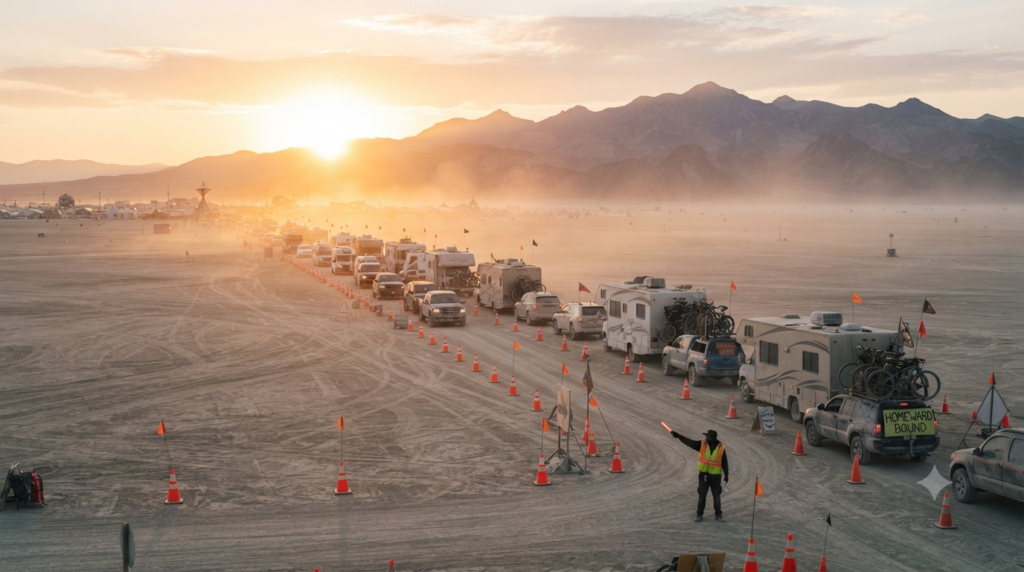
Leaving Burning Man is not just the end of the trip; it is the final phase of the experience, and it often feels very different from arriving. The departure process, emotional letdown, cleanup, recovery, and reintegration all deserve their own attention because first-timers are often surprised by how intense the transition can be. Exodus is the organized departure from Black Rock City, and Burning Man’s official guidance notes that tens of thousands leave through a single two-lane road, so patience and preparation matter from the start.
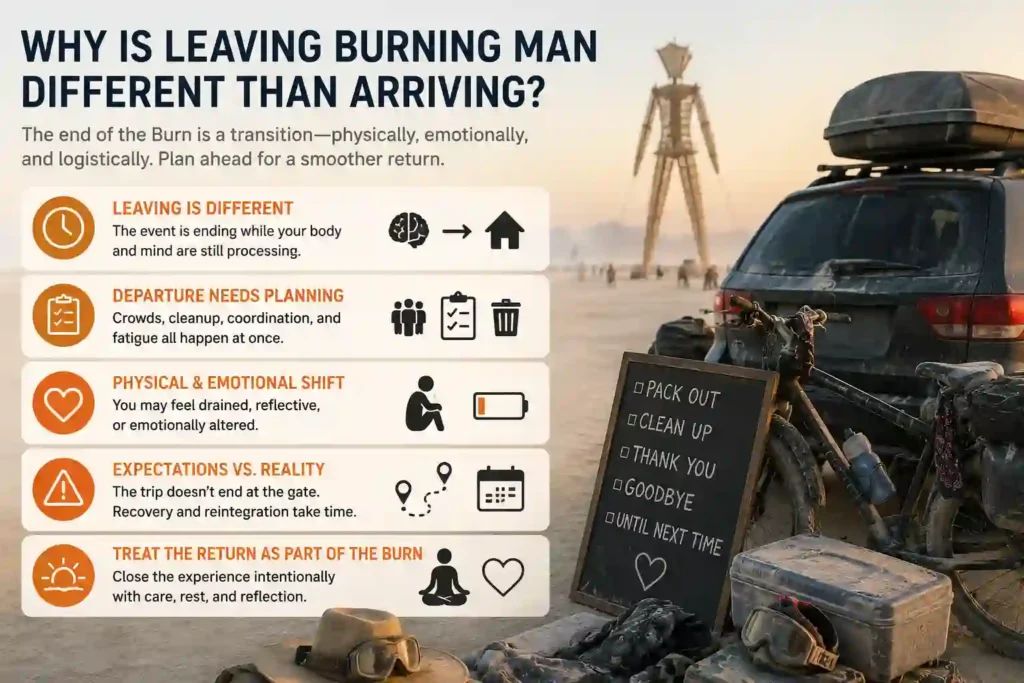
Why Is Leaving Burning Man Different Than Arriving?
Leaving feels different because the event is ending while your body and mind are still processing a very unusual week. You are moving from an intense, self-contained environment back into ordinary life, and that shift can feel abrupt. Many first-timers expect departure to feel like a simple drive home, but it is usually more complicated physically and emotionally.
Departure also requires planning because the end of the event is crowded and mentally tiring. You may be exhausted, dusty, emotional, and ready to move at the same time, which is why a calm transition helps. Thinking ahead makes the whole process easier and safer.
Understanding the End of the Burning Man Experience
The end of Burning Man is not a clean switch from “event mode” to “home mode.” It is a transition period where you are still in the culture of the playa while preparing to leave it behind. That makes the last hours and days feel meaningful, but also a little disorienting.
For first-timers, this can be surprising because the emotional experience often lingers after the physical event ends. You may still feel connected to the city even while you are packing up and rolling out. That in-between feeling is normal.
Why Departure Requires Planning
Departure requires planning because you are not leaving a normal venue with a normal exit flow. There are timing issues, cleanup tasks, group coordination, and post-event fatigue all happening at once. The more you prepare before the end arrives, the less stressful it becomes.
A simple departure plan keeps you from forgetting important things when you are tired. It also helps you move steadily instead of rushing. That makes a big difference at the end of the week.
Emotional and Physical Changes After a Week on the Playa
After a week on the playa, many people feel physically drained and emotionally altered. Sleep patterns, energy levels, and social intensity all shift during the event, so returning to ordinary life can feel strange at first. Even good experiences can leave you feeling flat or unusually reflective.
This is one reason first-timers should expect the end to feel different from the beginning. Your body may want rest, and your mind may need time to catch up. That transition deserves care.
What First-Timers Often Expect Incorrectly
First-timers often think the trip ends the moment they leave the gate. In reality, the effects of the event continue for days afterward. Cleanup, recovery, and reintegration are part of the experience, not separate from it.
Another common mistake is assuming they will immediately feel “back to normal.” That often takes time. The transition is usually more gradual than expected.
Preparing for the Transition Home
The best way to prepare for the transition home is to think of it as its own phase. You are not just ending the trip; you are closing it responsibly and intentionally. That means planning for departure, cleanup, rest, and emotional adjustment.
If you treat the return home as part of the Burn, the whole experience feels more complete. That mindset helps you leave with less stress and more clarity.
- Leaving is different because the event is ending while recovery is beginning.
- Departure needs planning because fatigue and logistics overlap.
- The post-event transition is physical and emotional.
- First-timers often underestimate how long reintegration takes.
- Treat the return home as part of the experience.
What Is Exodus and Why Does Everyone Talk About It?
Exodus is the organized departure from Black Rock City, and people talk about it because it can be one of the most memorable parts of the trip. Burning Man’s official Exodus guidance explains that departure happens through a single two-lane road used by tens of thousands of people, which naturally creates congestion and waiting. That is why patience matters so much.
For first-timers, Exodus is important because it is not just traffic; it is a collective departure event. The mood can be tired, tense, and slow, so managing expectations is half the battle. If you prepare mentally for delays, the experience is much easier to handle.
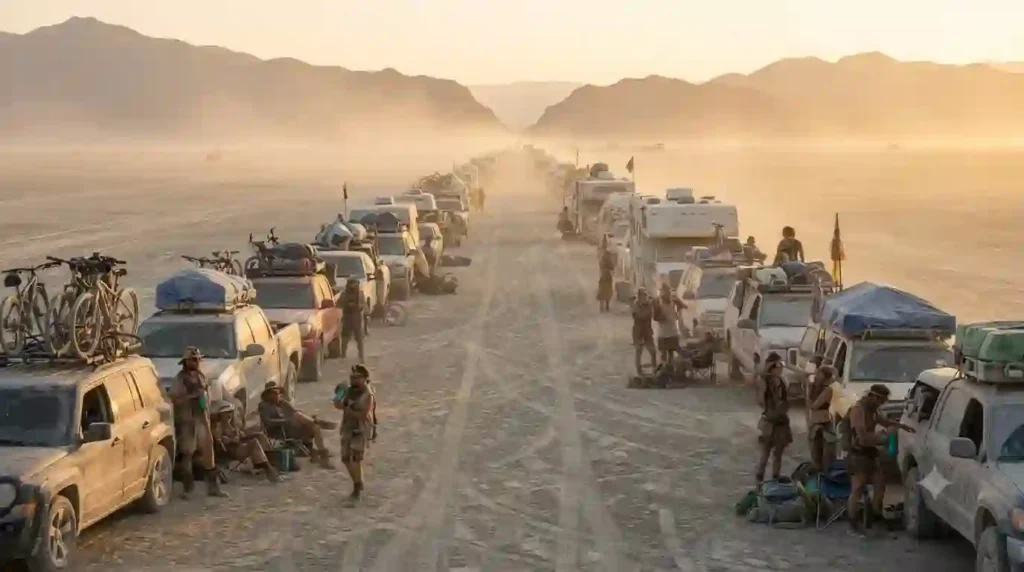
Understanding Exodus Traffic
Exodus traffic is the line of vehicles leaving at the end of the event. Because everyone is leaving around the same time, the road system becomes very busy. That means movement can be slow even when everyone is doing the right thing.
The important thing to understand is that this delay is expected, not unusual. It is part of how the event ends. Knowing that ahead of time helps reduce frustration.
Why Thousands Leave at the Same Time
Thousands leave at the same time because the event ends on a fixed schedule and most people want to depart soon after. That creates a natural bottleneck. Once the crowd starts moving, it can take time for everything to clear.
This is why leaving is best approached with patience. You are part of a very large group all trying to do the same thing. The flow improves when people stay calm and coordinated.
Typical Departure Delays
Departure delays are normal during Exodus, and they can make the final leg of the trip feel longer than expected. The road system is finite, and that creates waiting. First-timers should not interpret slow movement as a problem unless something unusual is happening.
The safest mindset is to assume the exit will take time. That way, you are not emotionally reacting to a delay that was already likely. Preparation lowers stress.
Managing Expectations During Exodus
Managing expectations is the best way to handle Exodus well. If you expect speed, you may become frustrated. If you expect a slow, shared departure, you are much more likely to stay calm.
This is where a flexible attitude helps a lot. You do not control the pace, but you do control how you respond to it. That matters.
Staying Patient and Prepared
Patience is not passive; it is part of the plan. Bring what you need for the wait, keep your group aligned, and accept that the process may take time. A prepared departure is a calmer departure.
The more mentally ready you are, the less exhausting the wait feels. That is why Exodus is as much about attitude as it is about movement.
- Exodus is the organized departure from Black Rock City.
- Traffic is slow because many people leave at once.
- Delays are expected, not exceptional.
- Managing expectations reduces frustration.
- Patience and preparation make Exodus easier.
How Should You Prepare for Departure Day?
Departure day goes much better when you prepare before you are tired and ready to leave. A checklist helps you avoid forgetting items or rushing through tasks. This is the day to make simple, practical decisions, not to improvise.
For first-timers, the goal is to leave in an organized way. That means packing camp carefully, confirming what leaves with you, and making sure nothing important is left behind. A calm departure starts with a clear plan.
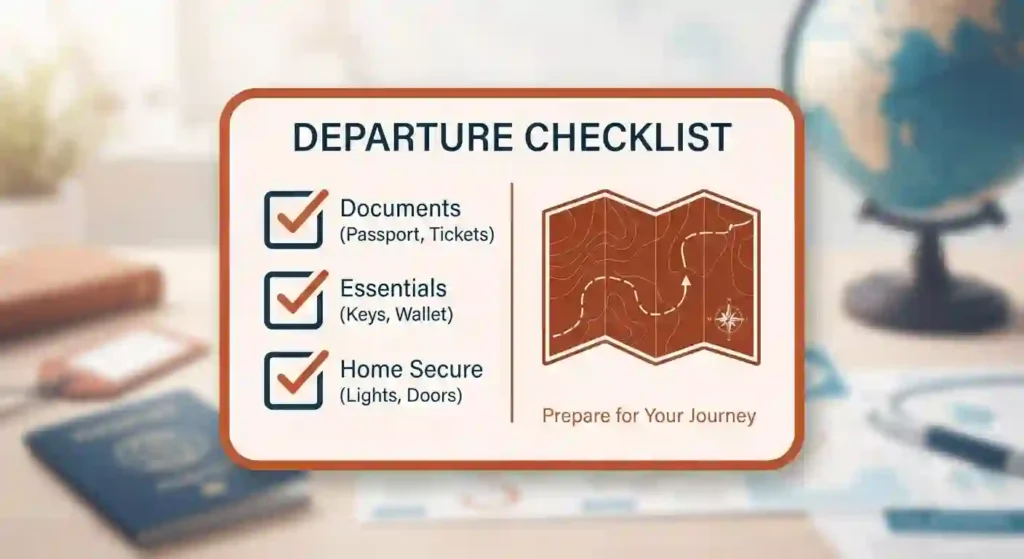
Creating a Departure Checklist
A departure checklist keeps you from relying on memory when you are tired. It should cover your gear, your camp area, your remaining supplies, and anything that needs to travel with you. Writing it down makes it easier to follow.
Once the checklist exists, use it early enough to make corrections. That way, you are not discovering problems at the last minute. A checklist turns chaos into sequence.
Packing Camp Efficiently
Packing camp efficiently means working in a way that reduces confusion and missed items. Keep related things together, sort what is leaving, and avoid mixing trash, gear, and personal items. Good organization now saves time later.
This is especially helpful when you are already fatigued from the event. A simple system works better than trying to remember everything. Efficiency is about clarity.
Managing Remaining Supplies
You may have leftover supplies at the end of the event, and those need to be handled thoughtfully. Some items travel home with you, some may be shared, and some may need to be discarded appropriately. Sorting them early makes the process easier.
The main thing is not to leave remaining supplies scattered around camp. Bring order to the final hours. That helps you finish well.
Securing Gear for Transport
Before you leave, secure your gear so it is easy to move and less likely to be damaged. Dust, bumps, and long travel can affect packed items. A careful final check can prevent a lot of annoyance later.
This is one of those tasks that feels small but matters a lot. Properly secured gear is easier to load, transport, and unpack when you get home. That is worth the effort.
Leaving With a Clear Plan
A clear plan means everyone knows what is happening and what they are responsible for. That is especially important if you are leaving with campmates or friends. Confusion at departure creates stress quickly.
If possible, review the plan before the final rush begins. Clear communication makes the whole process smoother. That is true at the very end as much as at the beginning.
- Use a written departure checklist.
- Pack camp in an organized way.
- Sort remaining supplies before leaving.
- Secure gear carefully for transport.
- Communicate the plan clearly.
How Do You Leave No Trace Before Departing?
Leaving responsibly before you go is part of completing the Burn well. The official MOOP guidance explains that MOOP means “Matter Out of Place,” meaning anything not originally of the land that needs to be removed. Before leaving, a final camp sweep helps reduce the chance of leaving anything behind.
This section stays high-level and does not replace a detailed Leave No Trace guide. The main point for first-timers is simple: take one last careful look before you roll out. That final pass matters.
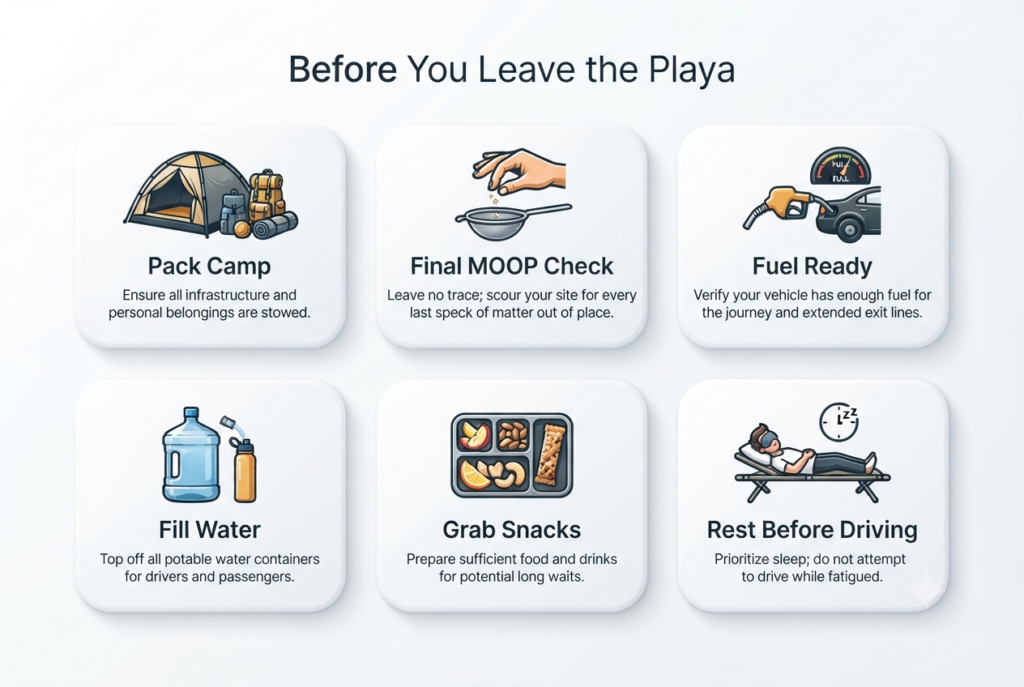
Understanding MOOP Before Exodus
MOOP includes anything that does not belong on the playa, from obvious trash to tiny overlooked items. The important idea is that small things count too. A clean exit is about attention, not just big cleanup actions.
When you understand MOOP clearly, you are less likely to miss hidden debris. That helps you leave your site in better shape. Awareness is the first step.
Conducting a Final Camp Sweep
A final camp sweep is your last chance to catch loose items before departure. Walk the area slowly and look carefully. Tired eyes miss things, so move with intention.
This sweep should happen after the main packing work is done. That way, you can see what remains more clearly. A slow final inspection is usually worth the time.
Checking Hidden Problem Areas
Hidden problem areas often include under gear, around seating, inside corners, and beneath items that were moved repeatedly. These places are easy to overlook when you are in a hurry. A careful scan helps you catch them.
The goal is not perfection; it is responsibility. If you check the places that commonly hide debris, your cleanup will be much better. That small effort matters.
Working Together With Campmates
If you are leaving with others, cleanup works better as a shared effort. One person may notice what another misses. Teamwork makes the final sweep more effective.
Working together also helps prevent the feeling that “someone else probably handled it.” Shared responsibility is part of a cleaner exit. It also makes the end of camp feel more complete.
Leaving Your Campsite Responsibly
A responsible exit means the site is as clear as you can reasonably leave it. That final step is part of respecting the place and the people who follow after you. It also reflects well on your group.
First-timers do not need to be flawless, but they should be thorough. A responsible campsite exit is one of the most important finishing habits you can build. It closes the trip with care.
- MOOP means Matter Out of Place.
- Tiny debris matters, not just obvious trash.
- A final sweep catches missed items.
- Hidden spaces need careful checking.
- Leaving responsibly is part of finishing well.
What Should You Expect During the Drive Home?
The drive home can feel longer and harder than expected because your body is already recovering from a demanding week. Fatigue can make the trip feel heavy, even if the route itself is straightforward. That is why safety and pacing matter.
First-timers should plan for a drive that feels physically different from the drive in. You may be tired, dusty, and less mentally sharp than usual. That is normal, but it means you need to be careful.
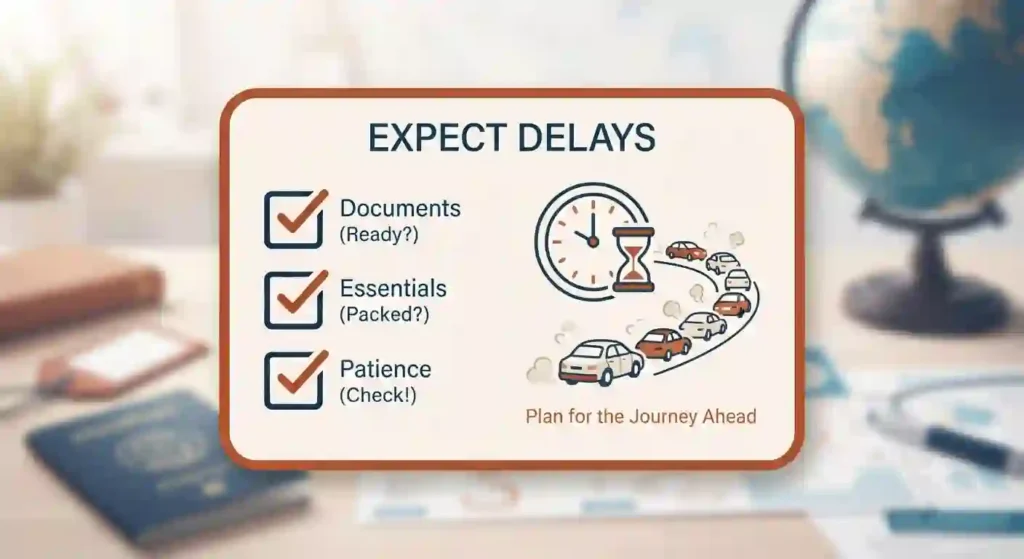
Physical Fatigue After the Event
Physical fatigue is common after Burning Man because the week can be intense and irregular. Your body may feel like it needs rest more than movement. This can affect your focus and patience on the road.
It helps to recognize fatigue as a real factor, not something to push through casually. If you respect it, you are more likely to travel safely. That is the right approach.
Managing Long Travel Days
Long travel days are easier when you accept that your energy may be lower than normal. Break the trip into manageable sections if possible. A steady pace is better than trying to force speed.
The more realistic you are, the less likely you are to make mistakes. Travel is part of recovery too. Treat it that way.
Staying Alert and Safe
Staying alert matters because tired drivers make poor decisions. If you feel yourself drifting or losing focus, that is a sign to slow down or rest. Safety should come before convenience.
Do not assume that excitement will keep you sharp. Fatigue often wins eventually. That is why self-awareness is so important on the way home.
Planning Rest Stops
Rest stops are useful because they give your body and mind a break. Even short pauses can help you reset. They also reduce the chance of pushing too hard for too long.
If you plan rest into the trip, the drive becomes more manageable. That is especially helpful after a physically demanding week. Rest is part of safe travel.
Recognizing Signs of Exhaustion
Exhaustion can show up as poor focus, irritability, heaviness, or slowed reactions. If you notice those signs, take them seriously. They mean your body needs a break.
The safest response is to slow down before the problem gets worse. That keeps the drive home safer for everyone. Awareness is your best tool.
- The drive home can feel harder than the drive in.
- Fatigue affects focus and patience.
- Long trips should be broken into manageable parts.
- Rest stops improve safety.
- Exhaustion signs should not be ignored.
How Do You Handle Playa Dust After Burning Man?
Playa dust follows you home in surprising ways, so cleanup is part of the return experience. Clothing, gear, electronics, and bikes may all need attention. Handling that cleanup promptly keeps your equipment in better condition.
This is not a deep cleaning manual, but first-timers should know that dust does not simply disappear on its own. A little organized effort helps a lot. It also protects your gear for future use.
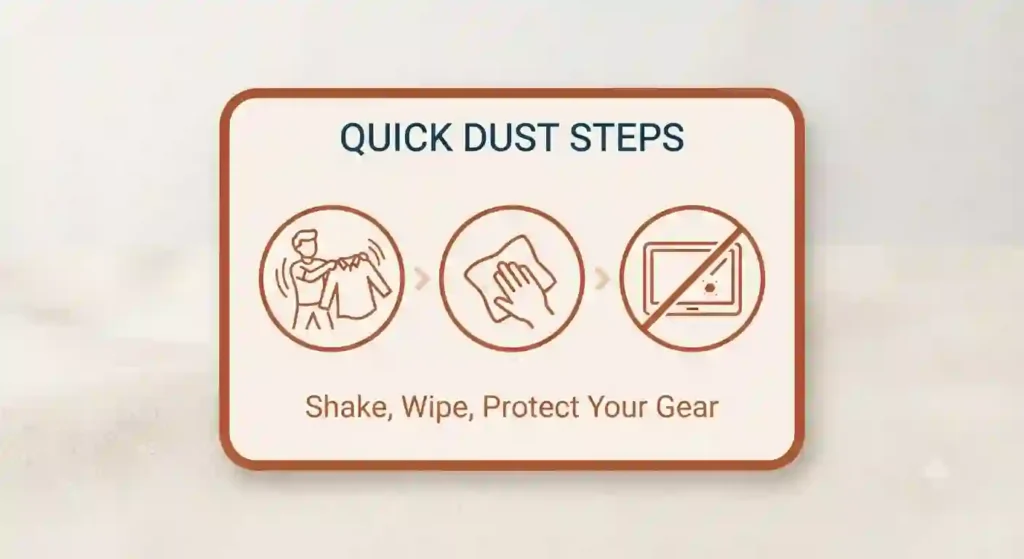
Cleaning Clothing and Costumes
Clothing and costumes often need careful dust removal after the event. Some pieces may need more attention than others depending on how much exposure they had. Sorting them early helps you decide what needs cleanup first.
It is useful to separate wearable items from heavily dusted items right away. That prevents dust from spreading unnecessarily. Small organization makes cleanup easier.
Restoring Camping Equipment
Camping equipment can collect a lot of dust during the week. Wiping, shaking out, and sorting items thoughtfully helps restore them. The sooner you begin, the less likely dust is to settle deeper into the gear.
First-timers often delay this because they are tired. That is understandable, but even a basic initial pass helps. You do not have to finish everything immediately to make progress.
Dust Removal From Electronics
Electronics should be handled carefully because dust can affect performance. If you brought sensitive items, check them carefully before storing them away. Gentle cleanup is better than rough handling.
The main goal is to reduce lingering dust before it becomes a bigger problem. Care now helps preserve equipment. That is especially useful if you plan to return.
Cleaning Bicycles and Gear
Bicycles and gear often need special attention because they are exposed to dust and travel wear. Cleaning them promptly helps prevent long-term issues. It also makes them easier to store.
A quick inspection can reveal what needs more work. The important thing is not to ignore items just because they seem sturdy. Dust gets into small places.
Protecting Equipment for Future Burns
If you think you may return, store your cleaned gear carefully. That makes future preparation easier and protects your investment. Good post-Burn care becomes next year’s advantage.
This is one of the smartest habits experienced Burners build. They treat cleanup as part of future readiness. That mindset saves time later.
- Dust cleanup is part of returning home.
- Clothing and costumes should be sorted early.
- Camping gear benefits from prompt attention.
- Electronics need careful handling.
- Good cleanup protects future use.
What Happens if You Used a Rental Vehicle or RV?
If you used a rental vehicle or RV, the return process matters a lot because dust can create complications. You need to prepare it for return carefully and check for hidden playa residue. This step is important for avoiding damage or extra fees.
The main idea is simple: treat the vehicle as something that needs a responsible handoff. That protects both you and the rental relationship. It also reduces future stress.
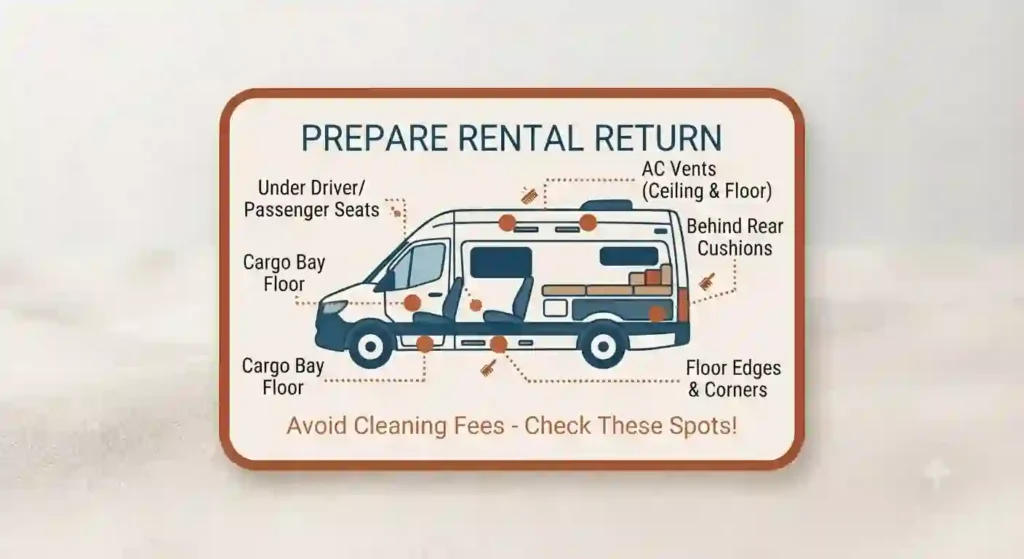
Preparing Vehicles for Return
Before returning a vehicle, make sure it is cleaned and checked thoroughly. Dust can hide in many places, so a quick surface look is not enough. A careful inspection is more reliable.
You do not need to overcomplicate it, but you should be thorough. The goal is a clean and honest return. That helps avoid problems.
Avoiding Cleaning Penalties
Cleaning penalties often happen when dust is left behind or the vehicle is returned in poor condition. The best way to avoid them is to take cleanup seriously. Even small hidden spots can matter.
A little attention now can save a lot later. That is especially true with rental equipment, where condition matters. Being careful is worth it.
Checking for Hidden Playa Dust
Hidden dust can collect in corners, compartments, fabrics, and other small spaces. It is easy to miss if you are tired and rushing. A slow inspection is better than a rushed one.
This is one of the most important return steps because dust is often less visible than people assume. If you check carefully, you are more likely to catch it. That reduces surprises.
Returning Equipment Responsibly
Returning equipment responsibly means leaving it in the best condition you reasonably can. It is a sign of respect for the property and the people who provided it. It also reflects well on you.
That responsibility is part of completing the trip well. The return process should be deliberate, not rushed. Care here pays off.
Lessons Learned for Future Trips
If you used rental equipment this time, think about what you would do differently next time. That reflection turns a one-time return process into future preparation. Experience becomes useful when you pay attention to it.
Future Burns get easier when you remember what worked. The return process is a good place to begin that learning. It closes one loop and opens another.
- Rental vehicles need careful return prep.
- Dust can cause cleanup issues and penalties.
- Hidden dust should be checked thoroughly.
- Responsible return protects relationships.
- Lessons learned help future trips.
Why Do Some People Experience Post-Burn Blues?
Post-Burn blues happen because the event can be emotionally intense and socially immersive. When it ends, everyday life can feel unusually quiet or flat. That contrast is a normal part of the transition.
First-timers often feel surprised by this because they expect the fun to end cleanly. Instead, they may feel a sense of loss, relief, or emotional confusion. That does not mean something is wrong.

Understanding Post-Burn Emotional Adjustment
Emotional adjustment after Burning Man takes time because you are shifting out of a highly unusual environment. Your routines, relationships, and sense of pace all change at once. That can make ordinary life feel unfamiliar for a while.
The adjustment is not just psychological; it is also social and sensory. You went from a very full environment to a normal one. That difference can feel big.
Why Returning Home Can Feel Strange
Returning home can feel strange because the contrast is so sharp. The quiet, order, and predictability of everyday life may feel odd after the energy of the playa. That mismatch can create a temporary emotional dip.
This is especially true if the event felt deeply meaningful. Coming back can feel like a comedown. That is common.
Missing the Burning Man Community
Many people miss the community itself more than the physical event. The sense of openness, creativity, and shared experience can be powerful. When that disappears, you may feel the gap.
This is why post-Burn connection matters. Staying in touch with a few people can soften the transition. Community does not have to end on departure day.
Reconnecting With Everyday Life
Reconnecting with everyday life can take a little effort after the event. You may need to rebuild routine, catch up on responsibilities, and settle back into normal pace. That process may feel awkward at first.
The best approach is to be gentle with yourself. You do not need to snap back immediately. Gradual reintegration works better.
Knowing These Feelings Are Common
These feelings are common, and knowing that can help a lot. You are not failing at recovery just because the return feels emotional. Many first-timers go through the same thing.
That awareness makes the experience easier to accept. Instead of worrying about it, you can treat it as part of the journey. That is healthier and more realistic.
- Post-Burn blues come from emotional transition.
- Returning home can feel strangely quiet.
- Missing the community is common.
- Reconnecting with routine takes time.
- These feelings are normal.
How Can You Recover Physically After Burning Man?
Physical recovery matters because your body has been through a demanding week. Sleep, hydration, food, and rest all help you return to normal. If you ignore recovery, you may stay depleted longer than necessary.
First-timers sometimes think the Burn ends when they get home. In reality, recovery is part of the post-event experience. Treating it seriously helps you feel better faster.
Rehydration and Nutrition
Rehydration and nutrition are basic recovery steps after a week in the desert. Your body may need time to return to balance. Eating and drinking well can help restore energy.
The goal is not a perfect detox or special plan. It is simply to give your body what it needs. That steady approach works well.
Catching Up on Sleep
Sleep is one of the most important recovery tools after the event. Many people leave the playa running on reduced rest, and that catches up later. Catching up on sleep helps your body and mind reset.
You may need more sleep than usual for a few days. That is normal. Let your body recover at its own pace.
Recovering From Dust Exposure
Dust exposure can leave you feeling dry, irritated, or tired. Recovery may involve simple care and time. If you feel off, pay attention to how your body responds.
The main thing is not to dismiss the effects just because the event is over. Dust can have lingering effects. Recovery is part of the process.
Addressing Minor Health Issues
If you came home with small health issues, take them seriously enough to monitor them. Many minor problems improve with rest and basic care. If something feels unusual or persistent, it deserves attention.
The event may be over, but your body still matters. Recovery should include self-checks. That is the responsible thing to do.
Returning to Normal Routines
Returning to normal routines helps restore stability after the event. Start with simple habits and rebuild your rhythm gradually. You do not need to fix everything in one day.
Routine is comforting after an intense experience. It helps you feel grounded again. That transition can be very helpful.
- Recovery starts with hydration and nutrition.
- Sleep is essential after the event.
- Dust exposure may linger for a while.
- Minor health issues should be monitored.
- Normal routines should return gradually.
How Can You Preserve Your Burning Man Experience?
Preserving the experience helps you carry the Burn forward instead of letting it vanish into a blur. Photos, notes, reflections, and conversations can all help. The goal is to remember what mattered and why.
For first-timers, this can be especially meaningful because the event may change how you think. Capturing that while it is fresh makes it easier to hold onto. Reflection is part of completion.
Organizing Photos and Memories
Photos and memories are easier to preserve when you organize them soon after the event. That way, details are still fresh. You do not need to sort everything immediately, but a simple system helps.
It is useful to gather the most important moments in one place. That creates a record of your experience. Small organization now makes later reflection easier.
Reflecting on Personal Growth
Burning Man often reveals things about your habits, preferences, and resilience. Reflection helps you notice those changes. That can be one of the most valuable parts of the return.
You may discover what you handled well and what challenged you. Those insights matter. They make the experience more than just a memory.
Staying Connected With New Friends
If you made new connections, staying in touch can help preserve the social meaning of the event. Even a few ongoing conversations can keep the experience alive. Community often continues after departure.
You do not need to maintain every connection. Just the ones that feel natural and real. That is enough.
Documenting Lessons Learned
Writing down lessons learned is one of the best things you can do after your first Burn. It helps you remember what worked and what you would change. That makes future planning much easier.
This is especially useful if you think you may return. A few notes now can save a lot of confusion later. Reflection becomes future preparation.
Sharing Stories Responsibly
When you share your experience, do it thoughtfully. Respect other people’s privacy, images, and stories. Not everything needs to be posted or retold.
Responsible sharing keeps the experience respectful and honest. It also helps you process it more meaningfully. That balance is worth keeping.
- Organize photos and memories early.
- Reflect on what changed in you.
- Stay connected with meaningful new friends.
- Write down lessons learned.
- Share stories responsibly.
What Do Experienced Burners Do After Their First Burn?
Experienced Burners usually treat the post-Burn period as part of the cycle, not as an ending. They reflect on what happened, take care of their gear, and begin thinking about how the next experience might be different. That habit keeps the connection alive.
After a first Burn, many people decide whether they want to return based on how they processed the experience. Either way, the reflection phase is useful. It turns a single event into long-term learning.

Reflecting on What Worked Well
One of the first things experienced people do is note what went well. That helps them understand what made the experience satisfying. It also gives them a foundation for future planning.
Reflection is useful because it keeps you from only remembering the hard parts. A balanced view is more accurate. That matters.
Identifying Areas for Improvement
It is also useful to note what did not work. That might include gear, routines, social habits, or timing. These are not failures; they are data.
Once you see them clearly, you can improve next time. That is how experience grows. Learning makes future Burns easier.
Preparing Gear for Future Use
Experienced Burners often clean and store gear in a way that makes next year simpler. They do not wait until the last minute to sort everything out. That keeps future preparation easier.
This is another reason post-Burn cleanup matters. It becomes next season’s head start. Good habits compound.
Becoming Part of the Year-Round Community
For many people, the connection does not end with departure. They stay involved through the year by reading, volunteering, talking, or planning. That can make the experience feel ongoing.
This year-round connection can be rewarding because it keeps the culture alive between events. It also helps first-timers feel less like one-time visitors. They become part of something larger.
Deciding Whether to Return
Some people decide immediately that they want to return. Others need more time. Both are normal.
The decision does not need to be rushed. You can let the experience settle first. Once you do, the answer usually becomes clearer.
- Experienced Burners reflect on what worked.
- They identify what to improve.
- They prepare gear for future use.
- They may stay involved year-round.
- Returning is a personal decision.
What Leaving Mistakes Do First-Timers Commonly Make?
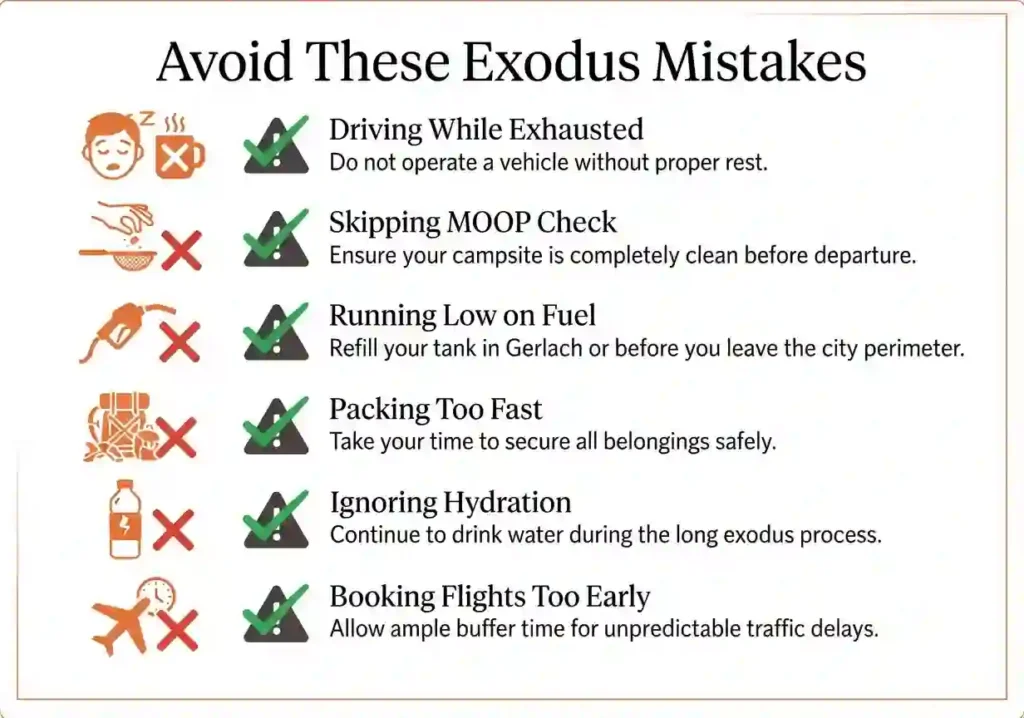
Leaving mistakes usually happen because people are tired and eager to be done. That is understandable, but it can lead to oversights. A little extra care at the end prevents a lot of trouble later.
The common mistakes are very practical: rushing, skipping checks, ignoring fatigue, and delaying cleanup. These are easy to avoid once you know they are common.
Rushing Camp Breakdown
Rushing camp breakdown is one of the biggest mistakes because it leads to lost items and missed cleanup. When people hurry, they forget details. Slowing down usually saves time overall.
A steady breakdown is better than a frantic one. It keeps the process cleaner and less stressful. That is the smarter route.
Ignoring Personal Fatigue
Fatigue affects judgment, patience, and safety. If you ignore it, you may make poor decisions during departure or the drive home. That is why self-awareness matters so much.
It is better to acknowledge that you are tired and adjust accordingly. That simple step can prevent problems. Fatigue is real.
Forgetting Final MOOP Checks
A final MOOP check is easy to skip when people are eager to leave. But small overlooked items can create bigger issues later. That last sweep matters more than it seems.
Take the time to do it carefully. It is one of the most important finishing steps. The effort is worth it.
Delaying Equipment Cleaning
Delaying equipment cleaning can make dust harder to remove and more likely to spread. A little action now is better than a bigger mess later. Cleanup is easier when it starts early.
You do not need to do everything instantly, but you should not ignore it. Postponing it too long only makes things more complicated. Starting early helps.
Underestimating Post-Burn Recovery Needs
Some first-timers think they will bounce back immediately. That is often not true. Recovery may take longer than expected.
If you plan for recovery, you avoid disappointment and burnout. That is a much better approach. Give yourself time.
- Rushing makes mistakes more likely.
- Fatigue should be taken seriously.
- Final MOOP checks matter.
- Delaying cleanup makes things harder.
- Recovery needs more time than people expect.
Leaving Burning Man in Numbers
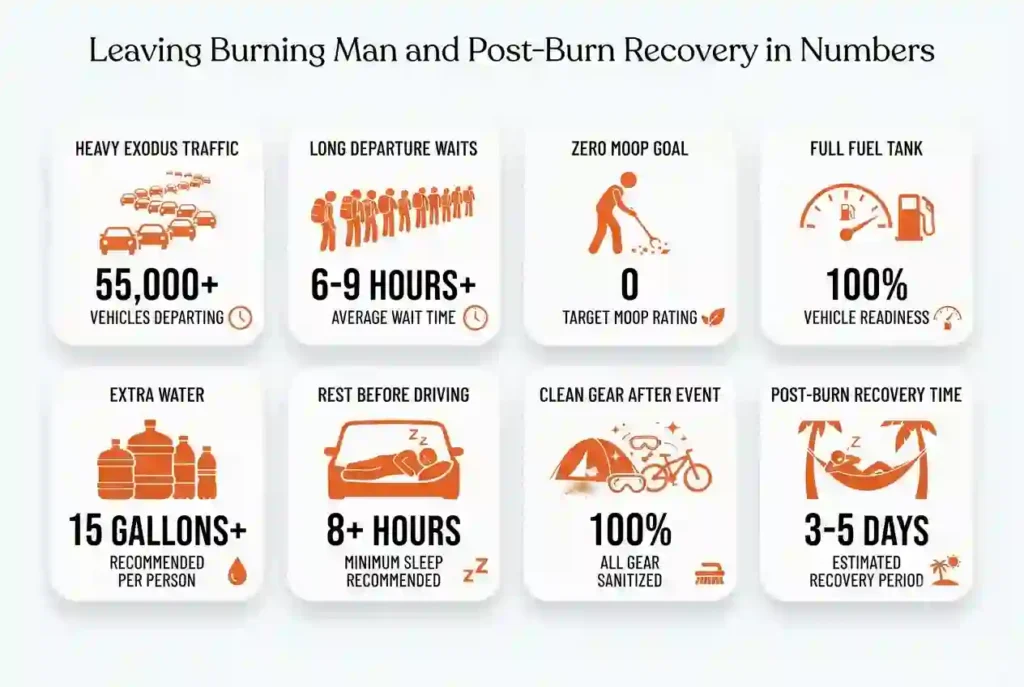
Leaving Black Rock City takes planning just like arriving. These key numbers help first-time Burners prepare for Exodus, post-event cleanup, and a safe journey home.
Key Numbers
- 🚗 Thousands of Vehicles Leave — Expect heavy traffic during Exodus.
- ⏳ Several Hours of Waiting — Departure delays are common during peak periods.
- 🧹 Zero MOOP Goal — Leave your campsite completely clean before departing.
- ⛽ Full Fuel Tank Recommended — Fuel stations near the event can become busy.
- 💧 Carry Extra Water — Keep drinking water available until you reach your next destination.
- 😴 Rest Before Driving — Fatigue is one of the biggest post-event travel risks.
- 🚿 Deep Cleaning Required — Playa dust should be removed from gear, vehicles, and electronics after the event.
- ❤️ Post-Burn Recovery Takes Time — Many Burners need several days to recover physically and mentally.
Common Myths vs Reality About Leaving
Burning Man
| Myth | Reality |
|---|---|
| Leaving is much easier than arriving. | Exodus traffic can take several hours, especially on peak departure days. |
| I can leave my campsite quickly. | Every campsite must be completely cleaned before departure. |
| I’ll be fine driving immediately after the event. | Fatigue, dehydration, and lack of sleep can make driving dangerous. |
| Playa dust brushes off easily. | Alkaline dust requires thorough cleaning to protect vehicles and equipment. |
| Recovery only takes one day. | Many Burners need several days to recover physically and emotionally. |
| MOOP cleanup isn’t my responsibility. | Every participant is responsible for leaving no trace behind. |
Final Thoughts on Completing Your First Burn
Completing your first Burn is about leaving responsibly, recovering intentionally, and giving yourself time to reflect. The event does not end the moment you roll out of Black Rock City; it continues in how you care for yourself, your gear, your memories, and your connections afterward. That final phase is part of the journey.
If you treat departure, recovery, and reflection as meaningful parts of the experience, your first Burn will feel more complete. You will not just have attended Burning Man; you will have finished it well.
Follow-ups
- Strategies for managing post-Burn blues after returning home
- How to clean gear effectively to remove Black Rock City dust
- Common signs of physical and mental exhaustion after the event
- What is the concept of Leave No Trace when leaving your camp
- Why is the transition back to ordinary life often challenging
Leaving & Post-Burn Checklist
Before Leaving Camp
✅ Remove every piece of MOOP
✅ Pack all trash and recycling
✅ Check under tents, vehicles, and shade structures
✅ Secure all camping equipment
✅ Fill your fuel tank if possible
✅ Refill drinking water
✅ Rest before driving long distances
✅ Inspect tires and vehicle condition
✅ Save your route before leaving
✅ Say goodbye to your campmates and confirm everyone is accounted for
Frequently Asked Questions About Leaving Burning Man
Exodus is the organized departure process used to manage thousands of vehicles leaving Black Rock City after the event.
Departure times vary, but during busy periods you may wait several hours before reaching the highway.
Some participants choose to leave before peak Exodus, while others stay longer to reduce waiting times.
Yes. Every participant must remove all MOOP and restore their campsite before departing.
Only if you’re well-rested, hydrated, and alert. If you’re tired, sleep before beginning your journey.
Brush off loose dust first, then clean equipment thoroughly with appropriate methods after returning home.
Take it with you, donate it where appropriate, or dispose of it responsibly outside the event.
Many participants experience “post-burn blues” as they adjust from the unique community and environment back to everyday life.
Yes. Check air filters, tires, fluids, batteries, and clean accumulated playa dust as soon as possible.
Rushing to leave without cleaning their campsite, resting properly, or preparing for a long drive home.
Most participants recover within several days, although physical fatigue and emotional adjustment may last longer depending on the individual.
Conclusion
Your first Burning Man doesn’t truly end when you leave Black Rock City. Recovery, reflection, equipment care, and reconnecting with daily life are all important parts of the journey. Taking time to recover and learn from the experience helps prepare you for future Burns and keeps the memories meaningful long after the playa dust has settled.
- 🚪 Leave patiently and follow official departure guidance.
- 🧹 Clean and inspect your gear as soon as practical after returning home.
- 😴 Give yourself time to rest and recover physically.
- 🧠 Understand that post-event emotions are completely normal.
- 📷 Organize photos and journal your memories while they’re fresh.
- 📦 Store equipment properly for future use.
- 🤝 Stay connected with Burner friends and local communities.
- 📖 Continue exploring Regional Burns to remain involved throughout the year.
Where Should You Go Next?
| If You Want To… | Read This Guide |
| Learn about year-round events | → Regional Burns Guide |
| Understand departure logistics | → Gate & Exodus Guide |
| Improve recovery | → Sleep, Recovery & Wellness Guide |
| Prepare for your next Burn | → Planning Guide |
| Return to First-Time Guide | → First-Time Guide |
Why Trust This Post-Burn Guide?
✅ Connects readers with year-round Burner community resources.
✅ Designed specifically for first-time participants finishing their first Burning Man.
✅ Updated for the 2026 event season.
✅ Covers recovery, equipment care, and long-term preparation.
✅ Focuses on practical post-event guidance rather than departure logistics alone.
First-Timer Leaving & Recovery Pro Tips
- 🚗 Avoid peak Exodus hours if your schedule allows.
- 💧 Continue drinking water during your journey home.
- 😴 Sleep before driving if you’re tired.
- 🧹 Double-check your campsite for hidden MOOP.
- 🚙 Clean your vehicle’s air filter and exterior soon after returning.
- 📷 Back up your photos before cleaning electronics.
- ❤️ Give yourself a few days to rest before returning to work.
- 🌱 Stay connected with your Burner community and reflect on what you learned.